
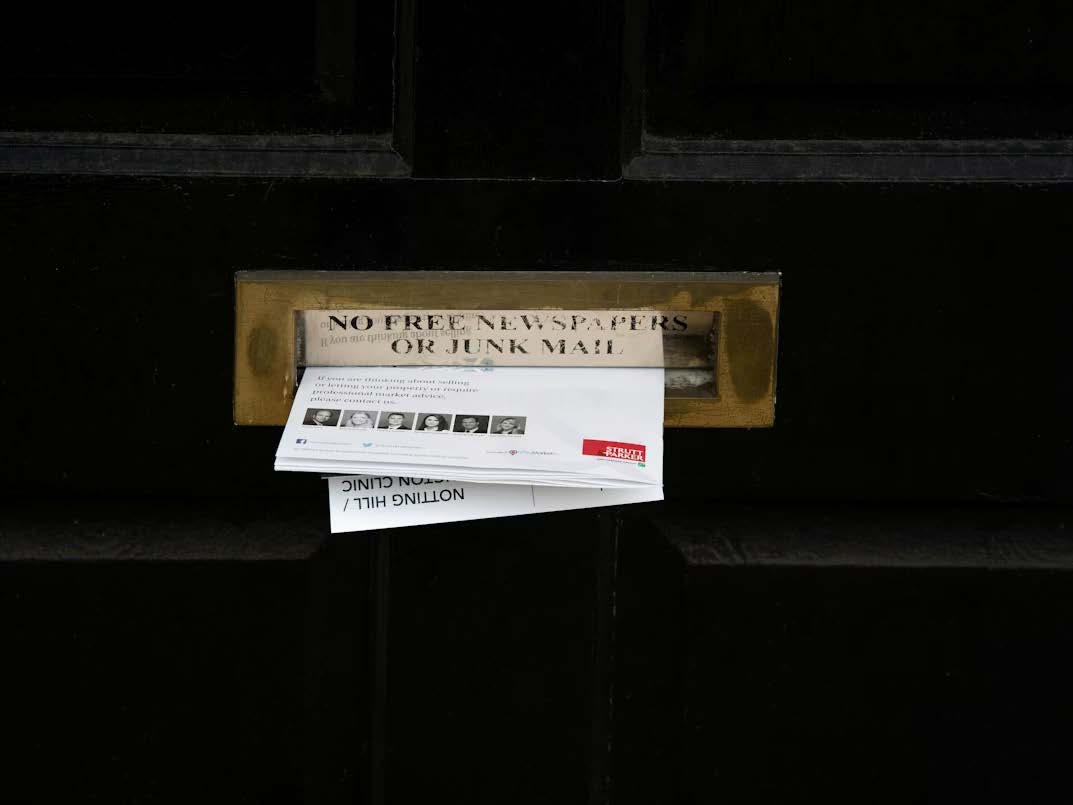
Printed outreach still works in a world full of screens. A flyer on a counter or a quick hello at a booth can land in front of people who never click ads. The point is not nostalgia – it is simple reach in places where attention already exists.
Advertisment
Digital channels chase attention across feeds and inboxes. Physical outreach meets people where routines already happen, like a commute, a lobby, or a checkout line. That shift changes the mood from “another message” to “something to look at.” It is harder to ignore something placed in a familiar path.
A tangible piece can slow the pace for a moment. Paper has weight, texture, and a fixed layout, so the story stays intact from start to finish. Teams can use that stability to introduce a brand without asking for a login, a click, or an opt-in. A good piece can travel from one desk to another.
Physical outreach has a production side, and small mistakes show quickly. Low-quality images, fuzzy type, or odd cropping can make a solid offer feel careless. That risk grows when many pieces move through many hands. A simple proof step can prevent wasted time and reprints.
A print plan starts with design files that match the job. During setup, checking resolution and file size for printing helps catch problems before the press runs. Clean files support crisp photos, readable text, and predictable color across a run. That consistency makes the message feel intentional.
Advertisment
Not every lead starts with a long conversation. Sometimes it begins with a small prompt that says, “This might be useful.” Door hangers, counter cards, and small posters can do that work with almost no time demand on staff. That makes it easier to scale across busy locations.
Placement matters more than clever wording. A simple message near a decision point, like a sign-up desk or a waiting area, can connect with someone already thinking about the problem. When the next step is clear, the piece becomes a quiet guide rather than a pitch. Short lines and big type win in these spaces.
Events compress a lot of attention into a short window. People show up ready to compare options, ask questions, and swap cards. That setting can move a cold contact into a warm lead within minutes. A booth visit can reveal needs that email never surfaces.
Endeavor Business Media’s 2024 marketing benchmark report found that 47% of marketers get a large portion of their leads from events. The number is a reminder that face-to-face time still competes with any online tactic. A tight process after the event is what turns that moment into a real pipeline. Even a simple post-event note can keep the contact warm.
Direct mail can feel slow next to email, though it often brings more intent. People who reply have already made time to read, save, or bring the piece to someone else. That kind of action can be a stronger signal than a quick click. Many replies happen days later, which still counts as momentum.
Discover Publishers’ 2024 Direct Mail Report cites average response rates of 2.7% to 4.4%, along with an average conversion rate of 14%. Those numbers help frame expectations for list size, offer strength, and timing. They can guide planning across budgets without pretending every mailbox turns into a meeting. That keeps planning grounded in real math.
Trade shows sit at the intersection of outreach and research. Buyers can see a product, test claims, and judge a team in real time. Sellers can hear the real objections that never show up in web analytics. The floor acts like a live focus group.
Cvent reports that 37% of US businesses plan to increase trade show budgets in the coming year. That points to continued belief in in-person visibility and the value of dense conversations. Better booth traffic helps, though the real win is a clean handoff to sales once the floor closes. Preparation before the show shapes that handoff.
Physical outreach works best when it feels easy to accept. People do not want a heavy binder or a long pitch in the middle of an errand. Small formats can carry a clear idea and still fit into a pocket or bag. A short headline and a clear visual do most of the work.
Common tools that stay practical:
A short stack of these items can cover many situations. Teams can swap pieces based on the setting and the person in front of them. The goal is a clean start to a conversation, not a full brochure dump. Rotation keeps the kit fresh without bloating print counts.
Offline outreach can look hard to measure, though basic tracking works well. A single campaign can carry a unique phone line, a unique code, or a unique landing page path. These links make it possible to connect the physical touch to the next action. The point is a trail that can be counted.
Clear definitions keep reporting honestly. Count exposures, replies, meetings, and qualified leads in the same way across campaigns. Then compare tactics on cost per qualified lead, not on vanity numbers like total pieces handed out. A single-sheet dashboard can cover the basics.
Simple ways to tie actions back to a source:
When offline tracking stays consistent, patterns show up fast. Teams can see which locations, event types, or mail lists create real conversations. That clarity helps allocate time toward the physical work that keeps producing leads. Small improvements add up across a quarter.
Advertisment
Practical physical outreach is not a replacement for digital work. It fills gaps that online channels cannot reach, and it can make a brand feel real in ordinary moments. When teams pair clean production with smart placement and basic measurement, new leads have more ways to begin.
Advertisment
Pin it for later!

If you found this post useful you might like to read these post about Graphic Design Inspiration.
Advertisment
If you like this post share it on your social media!
Advertisment


Want to make your Business Grow with Creative design?
Advertisment
Advertisment