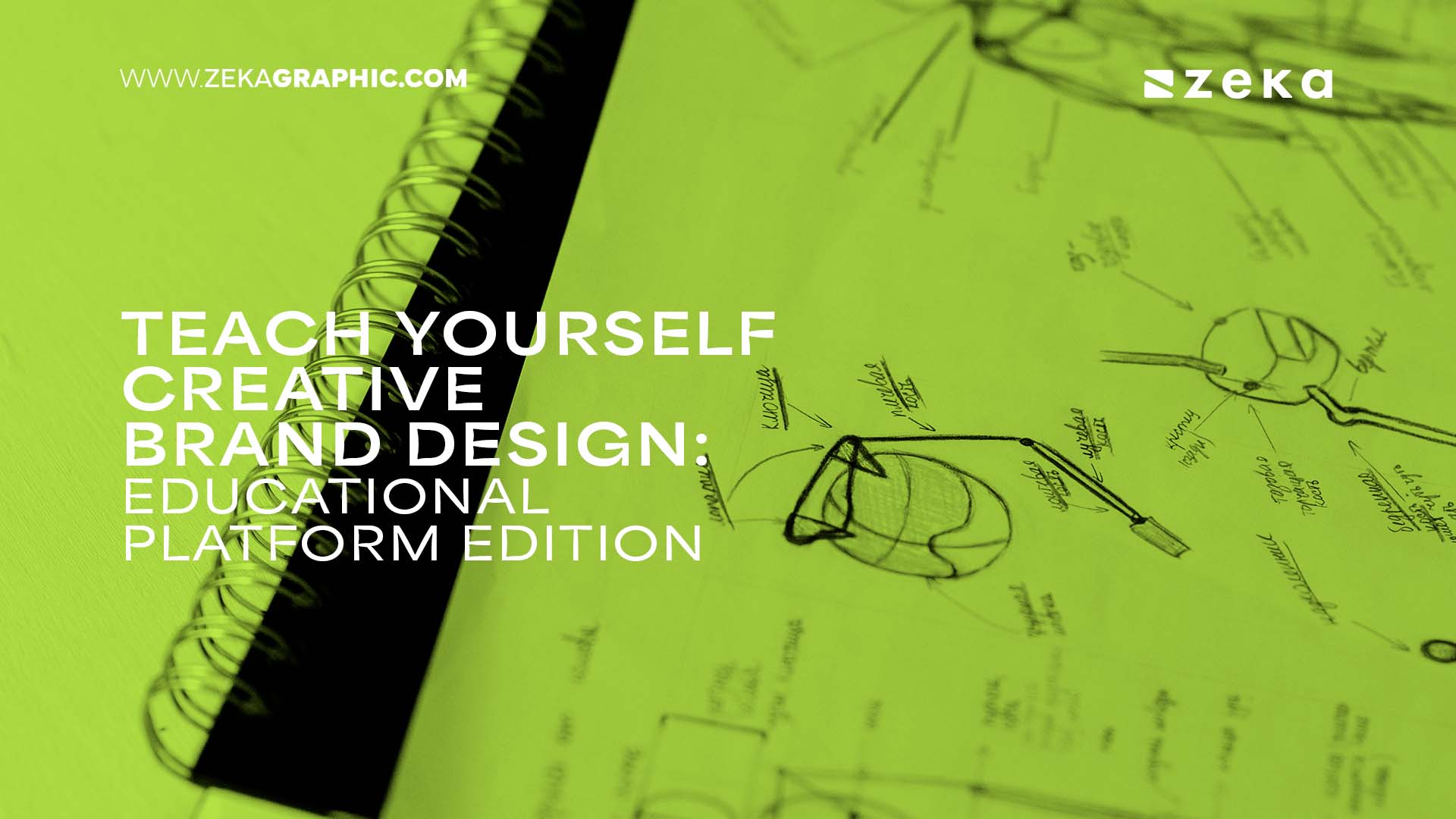
Educational platforms occupy a unique space: they need to inspire trust like an institution, feel approachable like a friendly tutor, and move with the speed of modern software. That combination makes brand design more than a nice logo and colors. It is a system that communicates credibility, clarity, and motivation across every touchpoint, from a landing page to a lesson screen to a support email.
If you are teaching yourself brand design, an educational platform is a great arena to practice because brand decisions have immediate consequences. A confusing visual hierarchy can reduce course completion. A cold tone can weaken community engagement. A messy design system can slow product development. When you design for learning, you are designing for attention, comprehension, and confidence.
In that context, you will also encounter users arriving with specific concerns and search intent, including queries like paper writing service that keep your privacy. Even if your platform is not about writing assistance, these phrases reveal what people value: discretion, trust, and clear expectations. Strong brand design should anticipate these emotional drivers and address them through tone, UX patterns, and transparent messaging.
Below is a structured approach you can follow to teach yourself creative brand design, tailored specifically to educational platforms.
Advertisment
Before you open Figma or pick a typeface, define the promise your platform makes to learners. Educational brands are judged quickly on “Will this help me?” and “Can I trust it?” Strategy answers both.
Start by writing a one-paragraph brand positioning statement about
Then translate that into brand attributes. For example: “encouraging, rigorous, modern, calm.” These attributes become a decision filter for every design choice, including illustration style, interface density, and microcopy.
Finally, define voice guidelines: how you welcome users, correct them, and celebrate progress. In education, tone is not decoration. It is a product feature.
Educational platforms scale fast. A single logo cannot carry a multi-course catalog, multiple audiences, and an expanding set of features. Teach yourself to design identity as a system.
Begin with three pillars:
Create a “brand kit” file: logo usage, spacing rules, color tokens, type scale, and examples of dos and don’ts. This is where beginners level up. Consistency is a creative discipline.
In a separate paragraph, consider how users may compare you with other online options, including a paper writer offering quick solutions. Your brand should differentiate by emphasizing legitimate learning outcomes, transparent pedagogy, and measurable progress, not shortcuts.
Advertisment
Brand design for education is inseparable from user experience. Your interface is the classroom. Your flows are the lesson plan.
Map the core motivation loop:
Use brand elements to strengthen this loop. Color accents can highlight “next lesson” actions. Friendly microcopy can reduce anxiety before assessments. Visual progress bars can replace vague motivation with concrete movement.
One practical technique is to create a “first 10 minutes” prototype. Design what a new learner sees, does, and feels in the first 10 minutes. If that experience is coherent and energizing, your brand is working.
Educational platforms live or die on clarity. Content design is where your brand voice becomes real: course titles, onboarding screens, lesson explanations, error messages, certificates, and support articles.
Write a style guide that includes:
A good educational brand also communicates boundaries. If your platform includes tutoring, study guidance, or academic support, be explicit about what you do and do not offer. Users may arrive expecting broad writing services, but your brand will be stronger if it clearly frames the ethical and educational scope of your product.
A creative brand becomes operational through a design system. This is especially important for educational platforms, which often feature repeating patterns, including lesson cards, modules, quizzes, discussion threads, badges, dashboards, and teacher tools.
Build a starter system with core components:
Include at least one accessibility pass: color contrast, focus states, keyboard navigation, and readable type sizes. Accessibility is not just compliance; it is brand credibility in education.
Also, plan for content variability. Courses vary in length, instructor, and media type. Your system should flex without breaking.
Brand design is not a one-time reveal. It is a learning process, just like your platform.
If your platform offers academic assistance, be careful with positioning. Some users will search for a term paper writing service, but an educational brand earns long-term trust by prioritizing instruction, skill-building, and ethical guidance. You can be helpful without being ambiguous.
Advertisment
Teaching yourself creative brand design is most effective when you treat the brand as a working learning environment. Strategy sets the promise, visual identity builds recognition, UX shapes behavior, content clarifies meaning, and systems make it all scalable. For an educational platform, the ideal brand design is one that makes learners feel supported, capable, and motivated to continue.
Advertisment
Pin it for later!

If you found this post useful you might like to read these post about Graphic Design Inspiration.
Advertisment
If you like this post share it on your social media!
Advertisment




Want to make your Business Grow with Creative design?
Advertisment
Advertisment