
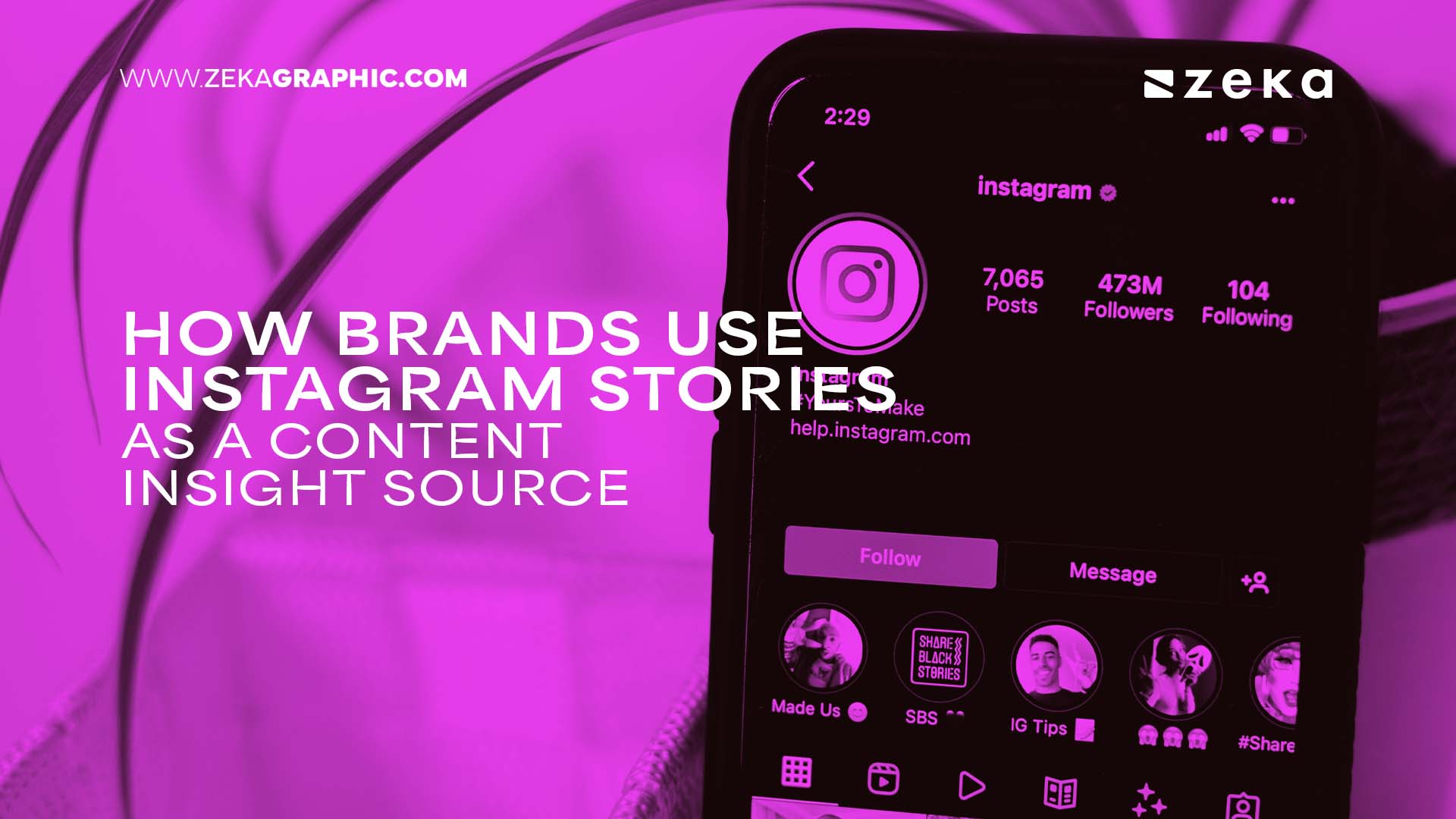
Instagram Stories have quietly become one of the most useful feedback loops in modern content strategy. For brands, they sit in a strange middle ground. Stories are casual and temporary, yet they attract some of the most honest behavior on the platform. People tap, skip, rewatch, and react with far less self awareness than they show in feeds. That mix makes Stories a strong signal source for understanding audience interest, intent, and timing.
Unlike polished posts that are built for reach, Stories are built for presence. They show what people care about in the moment. Brands that pay attention to these signals gain insight into what resonates before it becomes obvious in engagement reports or campaign results.
In practice, this means Stories function less like content and more like behavioral data. On the site https://followspy.ai/ brands can explore Instagram activity that is difficult to see inside the platform itself, including the ability to view Instagram following lists in chronological order and better understand subtle audience shifts without relying only on surface level metrics.
Advertisment
Feed posts are slow. They are planned, edited, approved, and optimized. Stories move fast and rarely go through the same filters. This difference matters because user behavior changes with context. In Stories, people react faster and think less.
Brands notice this in several ways. Completion rates reveal whether a message holds attention. Rapid skips often indicate weak framing. Rewatches suggest curiosity or confusion. Polls and sliders show preference with almost no friction. These signals arrive quickly and without the performance pressure of public likes or comments.
Stories also surface interest clusters earlier. When a brand tests a theme in Stories and sees consistent taps forward instead of exits, that theme often performs well later in longer formats. The insight comes before the data looks impressive on a dashboard.
The content posted through stories should not Stand alone from the rest of the account’s posts, however, they can Lead to other behaviours being displayed by users, such as visiting profiles and following users. If there is a partnership or product featured in a story, along with a behind-the-scene look into how that story came about, the number of users engaging with that account afterwards can help verify if the content was engaging enough to Generate excitement within that audience.
Being able to easily spot newly followed accounts helps brands understand which Stories spark action rather than passive viewing. Some teams detect changes over time by watching who was added recently after specific campaigns or content experiments. This context matters because Instagram’s interface makes this hard to see clearly.
Instagram presents following lists in a way that encourages guessing. There is no reliable sense of order, which creates noise. For teams analyzing behavior, no need to guess based on Instagram’s random order becomes a practical advantage. Chronological visibility removes assumptions and supports cleaner analysis.
Advertisment
Most importantly, brands should be mindful that they should not impact a person’s activities, and try to do this without interacting with the account. This includes observing Instagram stories on their own (from the account) could skew answers and create awareness between creators and competitors. Monitoring models without interacting with accounts gives teams a view of how they actually are versus how they appear after viewing.
This method is intended to give clear visibility rather than where or what we think. It can be used to support internal market research, competitive analysis and assisting in the content planning process without interfering with the ecosystems being examined. Once used in personal contexts (such as with creators), this form of visibility also has applications with respect to the ways relationships develop with creators, brands or audiences where being aware of someone else’s involvement is important.
Stories allow brands to test ideas that would be risky in permanent formats. A new tone, a controversial topic, or a visual style can be introduced temporarily. Audience reaction arrives within hours, sometimes minutes.
Brands that track these responses systematically treat Stories as a testing ground. They note which frames hold attention, which prompts generate replies, and which formats lead to profile exploration. Over time, this creates a practical map of audience preference that informs broader content strategy.
This process works best when paired with observation beyond basic analytics. Understanding who engages and how behavior shifts afterward adds depth. Seeing new follows appear after specific Story sequences offers context that metrics alone cannot provide.
Stories also reveal how competitors communicate. Brands monitor narrative structure, frequency, and audience reaction across similar accounts. Anonymous viewing supports this research without tipping off competitors or altering their behavior.
Patterns emerge quickly. Some industries rely heavily on educational sequences. Others lean into informal updates. Observing which approaches correlate with follower growth or engagement helps teams refine their own strategy with evidence rather than trend chasing.
The strongest teams do not treat Stories as a separate channel. They integrate insights into product messaging, campaign timing, and even brand voice decisions. Story data influences what moves into email campaigns, landing pages, and long form content.
Following behavior plays a role here. When brands can view Instagram following lists in chronological order, they connect Story themes with audience movement. This makes it easier to validate whether interest translates into commitment.
Over time, this approach reduces reliance on vanity metrics. It shifts focus toward behavior that indicates intent, curiosity, or alignment with the brand’s message.
Advertisment
Instagram Stories disappear, but the behavior around them does not. Brands that learn to read these signals gain an edge that feels quiet rather than flashy. They stop reacting late and start adjusting early.
The value is not in watching every Story or tracking every action. It is in knowing what to observe and why. When content strategy is informed by real behavior, not guesses or surface metrics, decisions become calmer and more confident.
In a space where algorithms change often and attention shifts fast, Stories offer something stable. They show how people actually behave when they think no one is watching. That insight, used carefully, becomes one of the most reliable tools a brand can have.
Advertisment
Pin it for later!

If you found this post useful you might like to read these post about Graphic Design Inspiration.
Advertisment
If you like this post share it on your social media!
Advertisment





Want to make your Business Grow with Creative design?
Advertisment

Advertisment