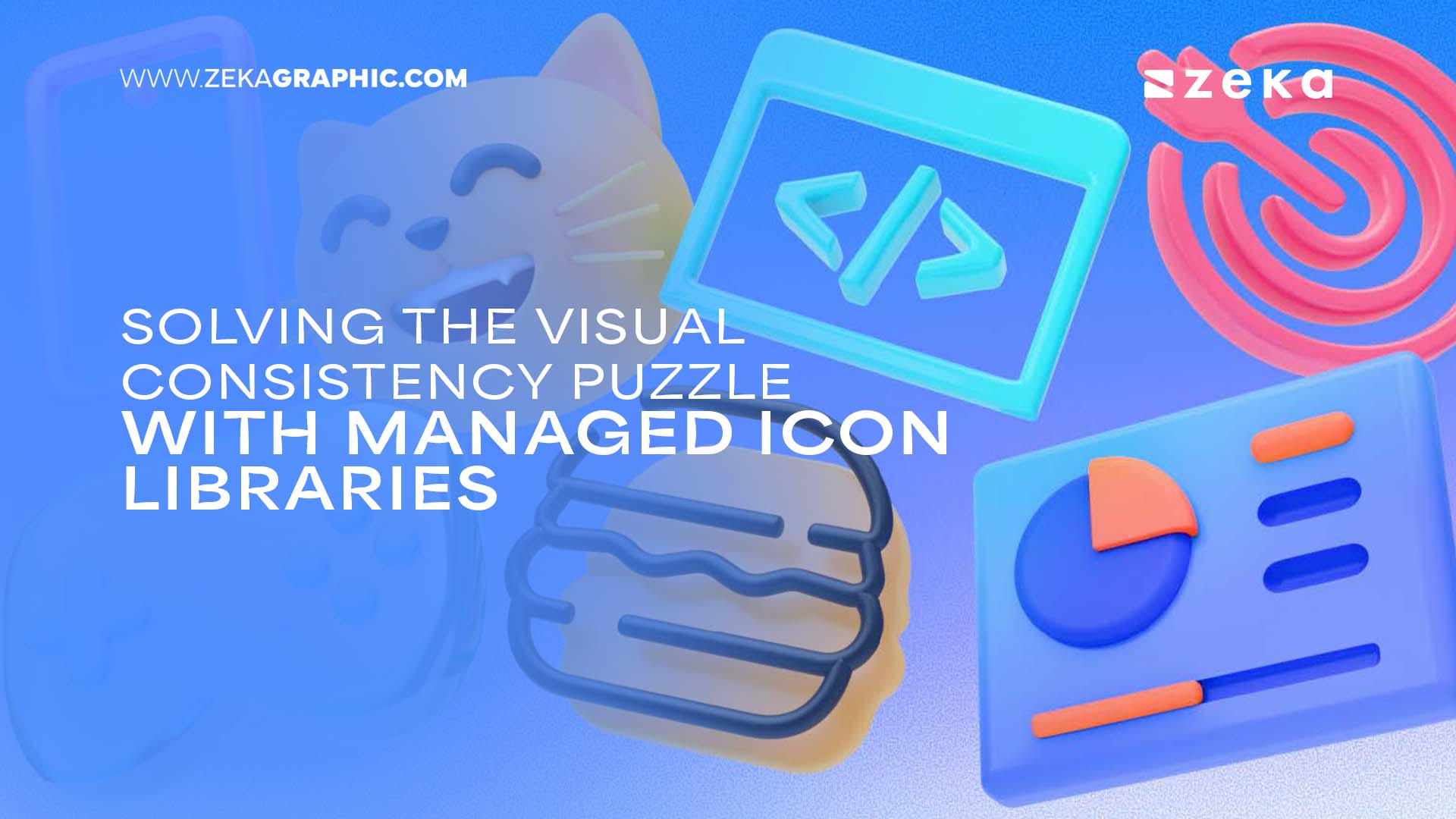
Building a digital product involves a constant tension between speed and consistency. Every product team knows the struggle. You grab a clean line icon for a “user profile” from an open-source set. Easy. A week later, you need a specific “database connection error” icon that the set lacks. You find a match on a stock site, but the line weight is slightly thicker. The corner radius is sharp. Six months later, your interface looks like a Frankenstein monster of mismatched visual styles.
Icons8 solves this specific problem. It isn’t a marketplace of disconnected uploads from thousands of freelancers. It operates as a centralized library where in-house designers create massive packs in rigid, consistent styles. The goal is simple: maintain a unified visual language without the overhead of designing thousands of assets internally.
Advertisment
The real value here lies in volume. With over 1.4 million icons across 45+ distinct visual styles, the library prevents the “missing asset” problem that forces designers to mix and match sets.
Picture a product team launching a native iOS application. They need strict adherence to Apple’s Human Interface Guidelines. The design team selects the “iOS 17” style. This single pack holds over 30,000 icons, covering everything from standard navigation elements to niche actions like “biometric scan failure.” Because these icons match Apple’s specific grid and stroke width requirements, the app looks native immediately.
Six months later, the business decides to port the application to Android. In a typical workflow, this involves redesigning the iconography or accepting that the iOS icons will look out of place on a Pixel phone.
With this library, the workflow changes. Designers don’t need to hunt for new assets. They simply switch the library filter from “iOS 17” to “Material Outlined” or “Android.” The system maps the concepts. The team downloads the exact same set of metaphors-same search terms, same filenames-rendered in the visual language of Material Design. Visual consistency remains intact across platforms. No manual redrawing required.
A UX designer needs to build a high-fidelity prototype for a stakeholder presentation. The brand calls for a playful, modern aesthetic, moving away from standard flat outlines. The designer chooses “3D Fluency” or “Liquid Glass” to add depth and texture.
Instead of downloading files one by one, they use the Figma plugin. This integration lets them drag and drop assets directly onto the canvas. As the prototype evolves, they realize the “Settings” gear icon clashes with the background. They select the icon, open the edit panel, and adjust the color. Since the library offers 3D and animated formats like Lottie JSON, the designer drops in an animated “Success” checkmark for the checkout flow. The prototype feels like a finished product.
Advertisment
Developers who lack a dedicated design partner care about utility and speed. Here is how a typical session looks using the desktop app, Pichon.
The developer is building a dashboard and needs a navigation menu. They open Pichon, which sits in the menu bar, and select the “Windows 11” style to match the client’s corporate OS environment. They search for “Analytics,” “Users,” and “Settings.”
They find the icons, but the default black doesn’t match the company’s navy blue branding. Inside the app, they apply a hex code recolor. This applies instantly to all icons in the view. They drag the SVG versions directly into their IDE (Visual Studio Code).
Later, they need to add a footer with social links. They switch the category to “Logos.” They grab a LinkedIn icon and an insta logo to place next to the contact info. Since the client wants these to be subtle, the developer uses the “Recolor” feature to turn the brand-colored logos into a neutral gray before downloading.
Finally, the marketing team sends over a low-res screenshot of a specific icon they saw on a competitor’s site and asks for something similar. The developer uses the “Search by image” feature, uploading the screenshot. The system analyzes the visual characteristics and returns the closest match within the chosen style pack. No guessing keywords necessary.
Non-designers get significant value from the in-browser editor. Before downloading an asset, users can perform major modifications without needing Illustrator or Photoshop.
The editor offers precise control. Change the stroke thickness on vector icons or add a background shape (like a rounded square) to turn a floating icon into a button.
“Text” and “Subicon” features solve specific problems where an exact asset doesn’t exist. Need a “User” icon with a small “Warning” triangle badge? Combine them in the editor. Position the subicon, resize it, and recolor it independently. Once finished, download the composite as a single PNG or SVG file.
Understanding where Icons8 fits requires looking at the spectrum of icon availability.
Vs. Open Source (Heroicons, Feather):
Open-source sets work well for small projects and cost nothing. They are usually high quality but limited in scope, often containing only 200 to 300 essential icons. If you need a specific icon for “insurance policy” or “crypto wallet,” you will likely hit a dead end and have to draw it yourself. Icons8 prioritizes volume, ensuring you rarely run out of options.
Vs. Flaticon / Noun Project:
These platforms act as marketplaces. You might find five million icons, but they come from thousands of different designers. Finding a “printer” icon and a “scanner” icon that share the exact same line weight, corner radius, and perspective is difficult. Icons8 produces its core styles in-house. The 10,000th icon in a pack follows the exact same rules as the first one.
Potential users should understand the constraints.
The Free Tier Restrictions:
The free plan is useful for mockups but restrictive for production. Users are limited to PNG downloads up to 100px. Vector formats (SVG), the standard for modern responsive web development, are locked behind the paywall for most categories. If you require crisp vectors for retina displays, you must upgrade.
Attribution Requirements:
Free usage requires a link back to Icons8. For commercial projects where you cannot clutter the footer or legal page with attribution links, a paid license is mandatory.
“Analysis Paralysis”:
With 45+ styles, choosing the right one can be overwhelming. A team might pick a niche style like “Hand Drawn” only to realize later it doesn’t scale well to smaller sizes or doesn’t fit a pivot in branding. Sticking to major styles like iOS, Material, or Windows is usually safer for long-term projects.
Advertisment
Get the most out of the library with these practices:
Treat Icons8 as managed infrastructure rather than just a gallery of images. It reduces the design debt that accumulates when visual assets are created on the fly. You trade the total freedom of custom illustration for the reliability and speed of a massive, standardized system.
Advertisment
Pin it for later!
If you found this post useful you might like to read these post about Graphic Design Inspiration.
Advertisment
If you like this post share it on your social media!

Want to make your Business Grow with Creative design?
Advertisment
Advertisment