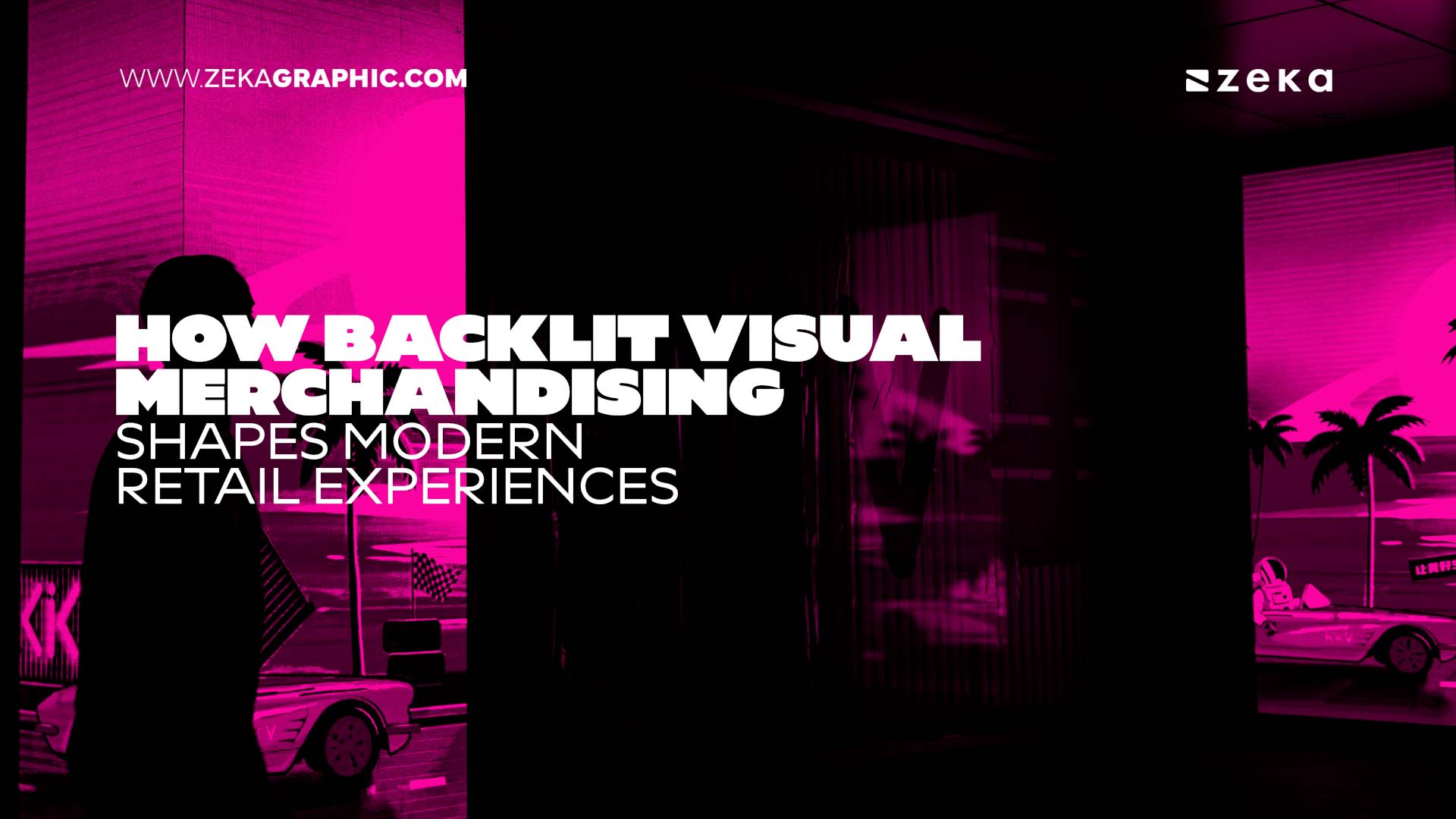
A quick glance is all it takes for a customer to either enter a store or leave. That fleeting time is more significant than retailers realize. Often times the difference is made by bright, clear visual displays. Backlit visual merchandising can be used to direct attention, draw light to the product and promote a stronger brand image while not having to fill the store with signs. In today’s world, retailers from fashion stores to electronics chains appeal to their customers’ senses by lighting up their displays, hoping to influence their shopping habits and boost sales. It’s not just about visibility; many store owners have been astonished at the value of well placed lighting. It alters how visitors experience the space within it, as well as the amount of time they spend in, and their initial prompt of what they notice first.
Advertisment
Backlit visual merchandising is an illuminated system of displays that showcase products, promotions and brand messages within retail environments. Typically, these will include printed graphics or panels of cloth with LED lights behind them. The light is evenly distributed throughout the image and colors stand out more and are sharper.
It is a technique that is regularly employed by retailers in window displays, product walls, checkout counters and showroom entrances. A frequent one is seg lightboxes which feature graphics with silicone edges in a thin aluminum lightbox. They are very convenient to use in many large retail stores because the graphics can be easily changed during a seasonal campaign.
Backlit signs are more visible in low light environments than standard printed signs. They also help to give the store a more attractive and high-quality look.
Lighting strongly affects how customers move through a retail space. Bright displays naturally pull the eye toward certain products or sections. Research from the Journal of Retailing and Consumer Services has shown that focused lighting can increase product attention and improve customer interest in featured items.
Stores often place illuminated graphics near entrances because customers usually look straight ahead when entering. A large backlit wall can guide people deeper into the store without extra signs. This approach works especially well in fashion and beauty retail.
Many retailers now use seg lightboxes because the light remains soft and even across large graphics. Harsh lighting can make stores feel uncomfortable, but balanced backlighting creates a calm environment. Customers tend to stay longer in spaces that feel visually comfortable.
Good lighting also improves product perception. Jewelry appears brighter, clothing colors look richer, and electronics feel more premium. Even supermarkets use illuminated displays to increase attention in promotional aisles.
Advertisment
There are various forms of illuminated displays in store depending on the size of the stores, the layout and the types of products available. There are different types of displays that are used for different purposes.
One of the most common types of solutions in today’s retail world are LED fabric lightboxes. Fabric graphics are stretched over lighted frames on these displays. They can be a favorite of fashion stores since the light provides a perfect clarity without glare, and are commonly fitted behind mannequins or around feature walls.
The purpose of window lightboxes is to draw people in from outside the store. Retailers have been using them to advertise their new collections, discounts, or seasonal campaigns in store windows. The bright window displays are particularly helpful in shopping malls where the store must attract the attention of the shopper.
The illuminated free-standing displays are suitable for product launches and special offers. They are often seen near entry points in a store, especially for displaying smartphones and headphones or gaming products at a retailer. The light helps to make products visible in crowded settings.
Ceiling light panels are used to light bigger retail spaces. Both supermarkets and department stores use them to enhance the visibility of the aisles and make the promotion area more attractive.
The other popular option is digital backlit displays. These are systems that integrate LED lights with video screens or motion graphics. Beauty manufacturers may employ them to showcase tutorials for make-up or advertisements for products that change during the day.
Many retailers also like the benefits of modular systems because graphics can be easily changed without changing the frame structure. This will lower the maintenance expenses and enable stores to change promotions quicker for seasonal campaigns.
Strong retail branding depends on consistency. Customers should recognize a brand within seconds, whether they visit a flagship store, a shopping mall kiosk, or a trade show setup. Backlit displays help create that visual consistency by presenting logos, brand colors, and campaign images with sharp detail and balanced light.
Many global fashion and beauty brands now use illuminated walls to maintain the same store appearance across different locations. This approach creates familiarity, which improves customer trust over time. Backlit graphics also help products appear more premium, especially in luxury retail spaces.
The same strategy appears in exhibitions and retail events. Brands that use illuminated graphics inside 10×20 booths often attract more visitor attention because bright visuals remain visible from longer distances. A well-lit display also improves photo quality, which matters during product launches and social media promotion.
When customers repeatedly see the same visual style, they remember the brand more easily.
Beyond the looks, backlit displays have practical benefits. The majority of latest systems utilize LED illumination that utilizes less electricity than the older fluorescent innovation. According to the U.S. Department of Energy, LED systems can use up to 75% less energy and last much longer than traditional lighting.
Retailers also save time when they need to update their seasonal changes. Changes in fabric graphics do not require a complete frame replacement, thus saving on labor costs. There are various types of store owners prefer to follow into modular systems because they fit various layouts and campaign sizes.
The benefits of backlight displays make them useful for both small stores and big retail establishments.
Advertisment
The different retail segments employ illuminated displays in various ways. Mannequins in fashion stores are usually depicted behind huge back-lit graphics to emphasize on new collections. For cosmetic brands, the presentation of colors is crucial for their customers’ choices, which is why they have soft LED lights installed near the makeup counters.
Retailers often place brightly lit shelves with phones, laptop computers and video gaming devices to promote them. Behind the cars in car dealerships, the interior of the showrooms can be made more visually contrasting by means of backlight displays.
Supermarkets also have illuminated banners over the promotional aisles, to enhance visibility during sales campaigns. Backlit graphics are now used in various places such as pharmacies and home furniture shop to help direct the flow of customer traffic and to enhance product presentation.
In all areas, the primary objective is the same – to make customers more aware of products and make the shopping experience better.
Advertisment
Pin it for later!
If you found this post useful you might like to read these post about Graphic Design Inspiration.
Advertisment
If you like this post share it on your social media!
Advertisment



Want to make your Business Grow with Creative design?
Advertisment
Advertisment