
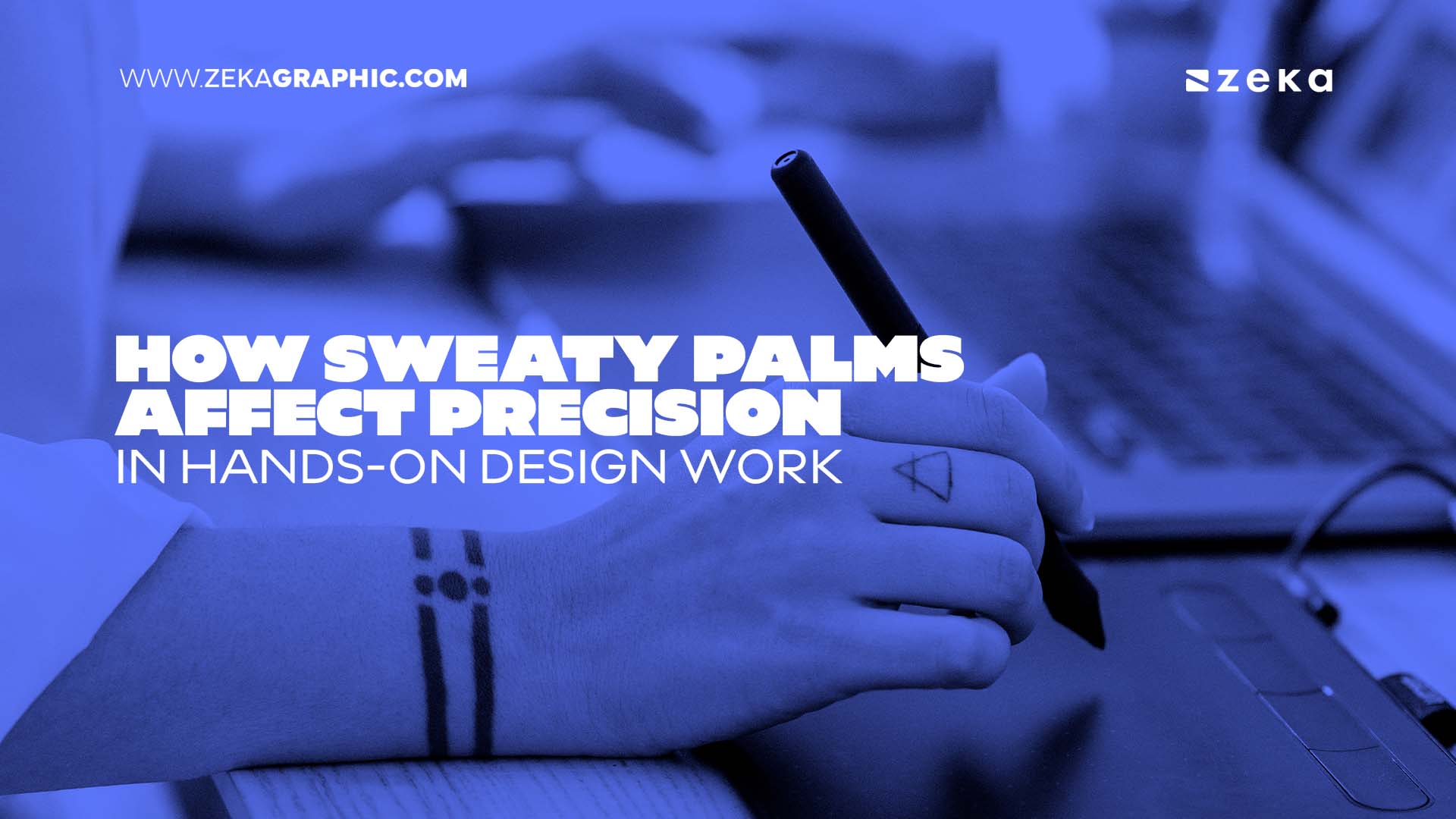
Precision design work depends on a close relationship between your hands, tools, materials, and the surfaces you work with. Whether you are sketching illustrations, building architectural models, cutting prototypes, sculpting, lettering, assembling jewelry, or handling delicate components, small changes in your grip can affect the final result.
Sweaty palms can complicate that relationship. Moisture changes the way you hold tools, makes certain materials harder to handle, and can leave unwanted marks on finished surfaces. If your work requires steady pressure and controlled movements, excessive hand sweating can become more than a minor inconvenience.
Advertisment
Your palms contain a high concentration of sweat glands. Hand sweating is not always caused by hot weather or physical activity. Stress, concentration, and nervousness can also make your palms sweat.
That matters in hands-on design work because detailed tasks often require intense focus. A difficult cut, detailed drawing, client presentation, approaching deadline, or expensive piece of material can create enough pressure to trigger sweating. Your working environment can contribute as well. Bright lamps, computers, fabrication equipment, and poor ventilation can add heat around your workspace.
For some people, sweating is considerably more persistent. Palmar hyperhidrosis causes excessive sweating of the hands that may occur without obvious heat or stress triggers. In a hands-on profession, its effects can become particularly noticeable because your palms are constantly interacting with tools and materials.
Good tool handling depends on having a predictable grip. You naturally adjust pressure when holding a pencil, craft knife, stylus, brush, ruler, sculpting tool, or precision screwdriver. When moisture develops between your fingers and the tool, that grip can change.
A slippery handle may encourage you to squeeze harder. Although that can make the tool feel more secure temporarily, too much pressure can reduce control and contribute to hand fatigue during longer working sessions.
Consider a detailed illustration. A controlled pencil stroke requires small, steady movements of your fingers and wrist. If the pencil starts slipping, you may accidentally change pressure, producing darker marks, uneven lines, or inconsistent shading. Precision knives present similar problems when you are cutting curves or trimming small components.
Advertisment
Sweaty hands do not only affect your tools. Moisture can transfer directly to the material you are designing or assembling.
Paper is particularly vulnerable. Moisture from your fingertips can soften fibers, cause slight warping, or make graphite, charcoal, pastel, and certain inks easier to smudge. Repeated handling can also leave fingerprints that become noticeable under bright lighting.
Model-making presents another challenge. Small pieces of card, wood veneer, foam, plastic, or adhesive-backed materials often need to be positioned accurately. Damp fingertips can make lightweight components stick unexpectedly or become difficult to release exactly where you want them.
Smooth materials such as acrylic, glass, polished metal, and certain plastics also show fingerprints easily. These marks may not damage your project, but they can affect photography, presentations, and the overall appearance of the finished design.
Some types of design work require you to manipulate objects only a few millimeters wide. Jewelry making, miniature modeling, electronics prototyping, and intricate craft projects are good examples.
Even a small amount of moisture can make a noticeable difference. Tiny screws, beads, wires, connectors, and smooth components may shift between your fingertips or become harder to position accurately.
You may respond by concentrating harder and becoming more conscious of every movement. That additional tension can sometimes increase hand sweating further, creating a cycle that interrupts your workflow.
Hands-on design increasingly combines physical and digital work. Tablets, touchscreens, styluses, trackpads, cameras, and other electronic tools often sit alongside traditional drawing and fabrication equipment.
Moisture can make these devices harder to use comfortably. Damp fingers may drag differently across a touchscreen, while a stylus can become more difficult to hold consistently. Keeping your hands and frequently used devices dry helps maintain better control as you move between physical and digital tasks.
Managing sweaty palms does not have to mean completely changing the way you work. Small adjustments can help you maintain comfort while protecting your tools, materials, and finished designs.
Keep a clean, absorbent cloth nearby so you can dry your hands without repeatedly leaving your workstation. Improving ventilation or reducing unnecessary heat from lamps, computers, and fabrication equipment can also help when temperature contributes to sweating.
Gloves may be useful when fingerprints or surface contamination are concerns, but choose them according to the task. Thick work gloves may provide protection during heavier fabrication but reduce the control you need for miniature components. Thin gloves may provide better tactility for delicate materials.
Occasional sweaty palms during stressful or demanding work are common. Persistent sweating is different. If your hands become noticeably wet while you are resting, working in a cool environment, or completing ordinary activities, the issue may need closer attention.
When excessive sweating regularly interferes with work or everyday activities, there are several approaches that may be discussed with a healthcare professional. These range from conservative measures to procedures such as surgery for sweaty hands, depending on the severity of palmar hyperhidrosis and individual circumstances.
Advertisment
Your hands are among your most important design tools. You rely on them to turn ideas into lines, cuts, textures, prototypes, and finished objects, often with very little room for error.
Sweaty palms can affect that process by changing your grip, transferring moisture to sensitive materials, and making precise handling more demanding. By controlling workspace heat, keeping your hands and tools dry, choosing handling methods suited to each material, and paying attention to persistent sweating, you can support both comfort and performance without changing your personal working style.
Advertisment
Pin it for later!
If you found this post useful you might like to read these post about Graphic Design Inspiration.
Advertisment
If you like this post share it on your social media!
Advertisment





Want to make your Business Grow with Creative design?
Advertisment

Advertisment