Building a Rust loadout changed how I value skins because I stopped choosing cosmetics only by appearance. When I began to buy Rust skins for weapons and armor I regularly use, I started paying much more attention to price history, demand, and how easily an item could be traded later.
Over time, my inventory became smaller and more deliberate. I now prefer skins for equipment I actually craft and carry rather than collecting items simply because they are popular or temporarily expensive.
Advertisment
Rust trading feels different from larger skin economies such as CS2. Prices can vary between Steam, third-party marketplaces, and private traders, which means two people can look at the same skin and come away with very different ideas about its value.
That is why I never rely on one listing anymore. A seller can ask almost any price, but it does not prove that buyers are actually paying it.
One useful difference is that standard Rust Workshop skins do not have CS2-style float values, wear grades, or pattern seeds. Copies of the same marketable skin are generally treated as interchangeable items.
That means my research is more straightforward. Instead of comparing individual versions of the same skin, I focus on recent sales, available listings, buyer demand, and the overall price trend.
Advertisment
My biggest early mistake was assuming that the listing price always represented the real market value. I accepted trades that looked balanced on paper, only to discover later that one side was much harder to sell.
I also ignored the difference between seller expectations and actual demand. A skin might have several expensive listings while buyers are only willing to pay considerably less.
Low supply can make a skin interesting, but it does not automatically make it liquid. If only a few copies are listed and almost nobody is buying them, converting that item back into something else may take time.
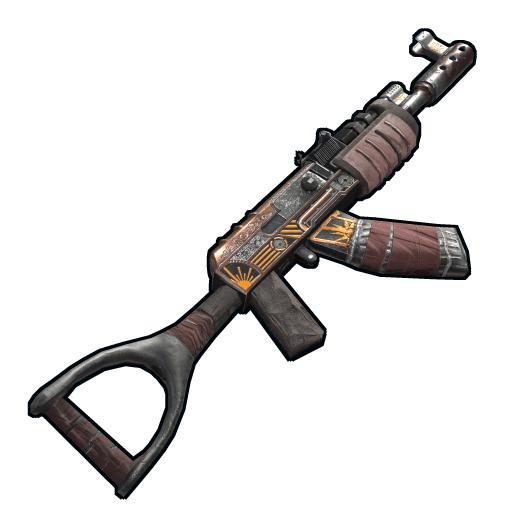
The Glory AK-47 taught me to look beyond appearance and reputation. It is visually distinctive, but when evaluating any offer involving it, I still check recent activity and do not assume the skin deserves a premium simply because it stands out.

I ask whether the item belongs to a weapon, armor piece, or deployable that players regularly use and whether I expect to equip it. Next, I compare recent sale prices with current listings. I want to see whether the market is moving near the price being quoted or whether sellers are simply waiting for buyers who may never arrive.
Listing count by itself does not tell me much. Ten copies with regular transactions can represent a healthier market than three copies that rarely sell.
I also check the gap between the lowest sell price and active buy offers where that information is available. A large gap usually tells me that I may have to accept a lower price if I need to sell quickly.
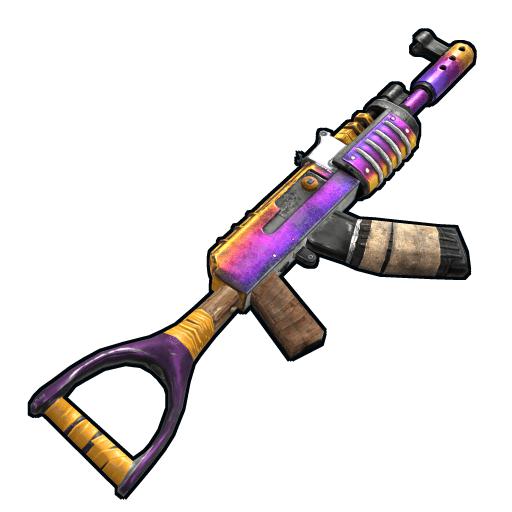
Liquidity matters because two skins with similar displayed prices may behave very differently after the trade. One could sell within a reasonable period, while another might require a substantial discount. For example, I might prefer a Tempered AK47 over a similarly priced skin with little recent activity if I know I would use it and the market around it appears more active.

Rust contains different types of cosmetic content, so I do not assume that everything visible in an inventory behaves like a standard skin. Before accepting a deal, I confirm the exact item can be traded or sold.
When I specifically want to exchange one group of Rust items for another without negotiating manually with individual traders, I use DMarket. Its Rust exchange system lets me select items from my inventory and compare them with available items on the platform.
I find that process useful when the goal is reshaping a loadout. I still compare values before confirming anything because convenience does not replace checking whether the exchange makes sense.
Advertisment
I no longer judge a Rust trade by matching two headline prices. I check recent sales, active listings, demand, liquidity, tradability, and whether the incoming skin belongs in the loadout I am building.
That approach has also made my inventory less random. I would rather own a smaller group of skins I regularly equip than dozens of items I chose because a temporary price looked attractive.
The best trades for me are now the ones that improve the value and usability of my inventory. That gives me a loadout I enjoy using every day.

Advertisment
Pin it for later!

If you found this post useful you might like to read these post about Graphic Design Inspiration.
Advertisment
If you like this post share it on your social media!
Advertisment
Want to make your Business Grow with Creative design?
Advertisment
Advertisment