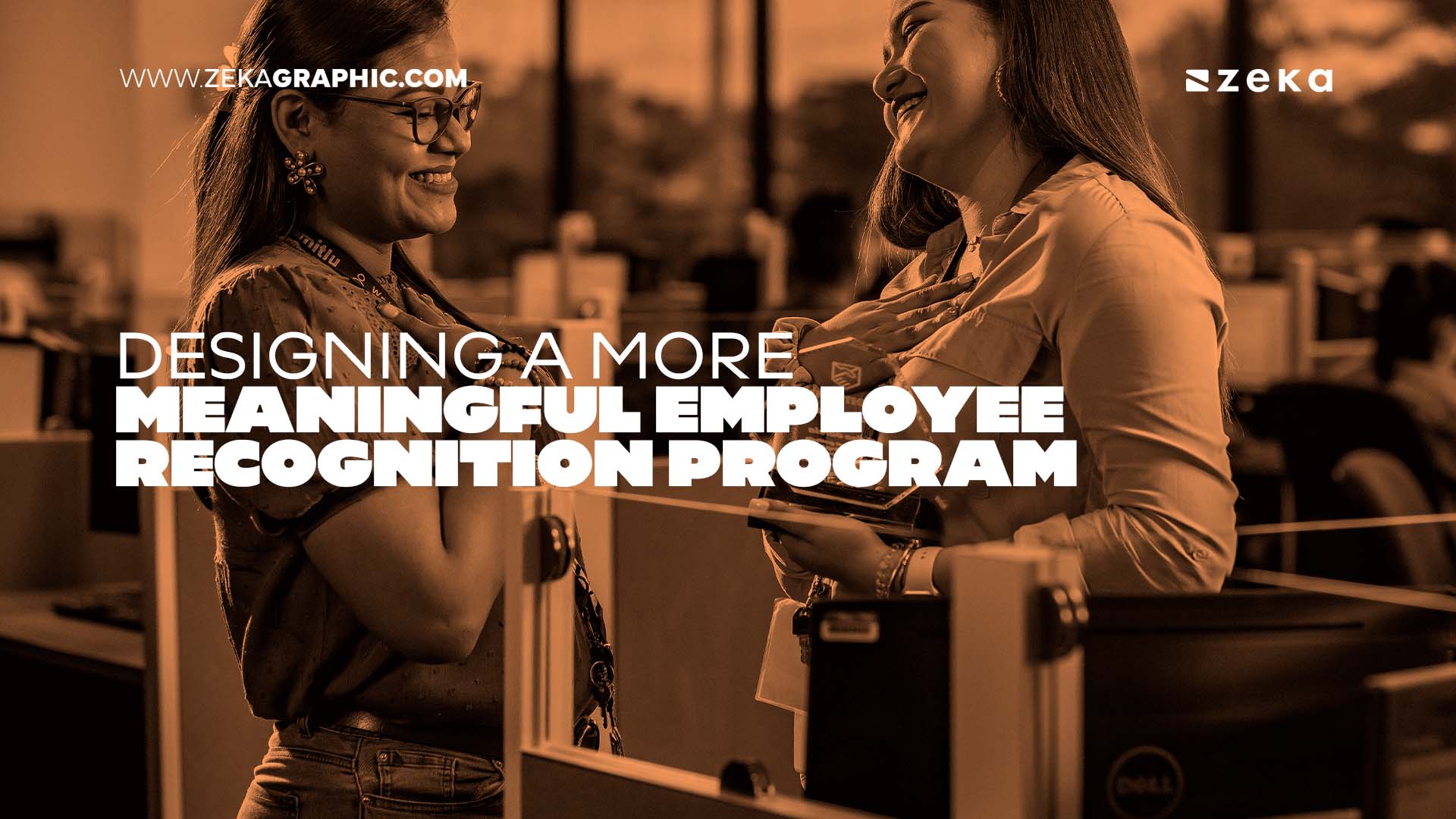
Recognition programs can be tricky. In theory, they should work; in practice, they often bring subpar results. Why is that?
Usually, the issue is having the wrong recognition strategy, or conversely, having no real strategy at all. For example, if the award arrives months after the achievement, goes to the same visible employees year after year, or says little beyond “Great job,” you have a ceremony, not a recognition strategy.
The right recognition can make a world of difference, though. Gallup found that employees who receive the right amount of recognition are four times more likely to be engaged, while its 2024 research found that well-recognized employees were 45% less likely to have left their organization two years later.
The key lies in building a meaningful employee recognition program. And that comes down to four core pillars: employees must believe the recognition is genuine, fair, relevant, and personal.

Advertisment
Do you want to highlight innovation, teamwork, customer service, leadership, problem-solving, or simply sustained contribution? Whatever it is, decide what behavior you want your program to encourage before you choose awards, gift cards or a recognition platform.
Recognition carries more weight when employees can see the connection between what they did and what the organization values.
This also keeps your program from becoming a popularity contest. A manager should be able to explain why someone earned recognition in concrete terms, rather than relying on vague descriptions such as “outstanding employee.”
Annual awards have their place, but they cannot carry the entire program. A thank-you from a manager after a difficult project, peer recognition during a team meeting, or a small reward for an unexpected contribution can reinforce good work while it still matters.
Timing matters here because recognition works partly as feedback. SHRM recommends recognition that is specific, timely, and sincere, while Gallup research shows that only 23% of employees strongly agree they receive the right amount of recognition.
You should also give managers some structure. A simple framework can ask three questions:
Not everyone wants a public announcement and a round of applause. Some employees prefer a private conversation, a written note, extra flexibility, or a practical reward they can actually use.
SHRM cites research showing that 70% of employees find recognition most meaningful when it is personalized. So, give employees some choice where possible, and avoid assuming that the most expensive reward will have the greatest impact.
Years of service deserve a place in the program, but they should not feel like an automatic HR notification (“Congratulations, you have existed here for another five years.”). What organizations need is a thoughtful tenure recognition program, one that connects longevity with the actual contribution behind it.
A personalized award that names the employee, milestone, and company can turn a standard anniversary into something worth keeping. You should also set milestone points in advance, establish a sensible progression in award quality, and personalize the message. A five-year award and a 25-year award should not feel interchangeable.
Advertisment
Finally, track participation across departments. See who receives recognition, how quickly recognition follows achievements, and whether employees consider the process fair.
Also look at engagement, retention, and employee feedback over time. SHRM specifically recommends examining who gets overlooked and measuring outcomes beyond simple participation rates.
A strong recognition program does not need to be complicated. It needs to be specific enough to mean something, consistent enough to feel fair, and flexible enough to treat employees like individuals.
Advertisment
Pin it for later!

If you found this post useful you might like to read these post about Graphic Design Inspiration.
Advertisment
If you like this post share it on your social media!
Advertisment
Want to make your Business Grow with Creative design?
Advertisment
Advertisment