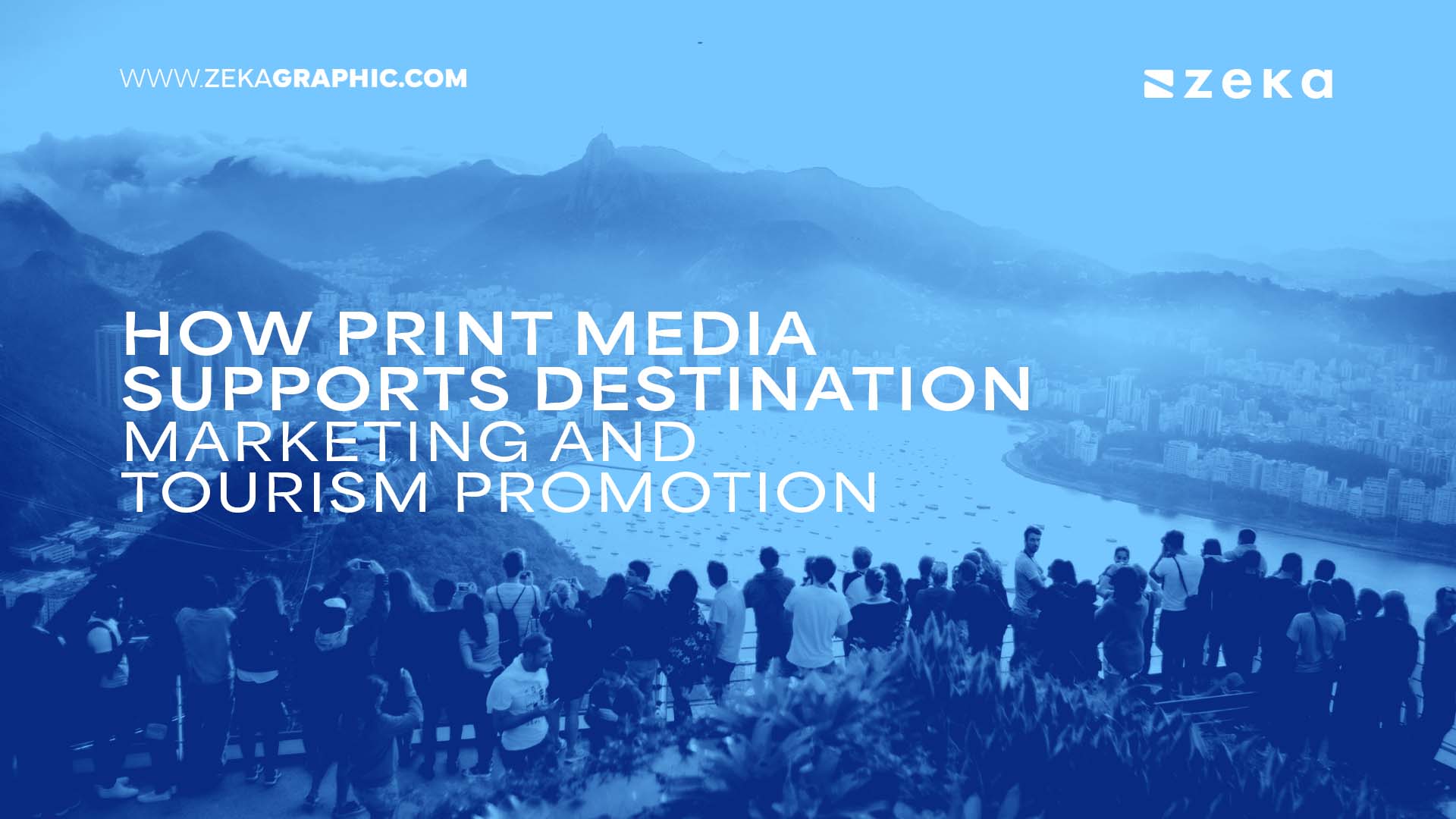
Travel decisions happen in moments. A map by the hotel front desk, a brochure at the airport, or a booklet on a café counter can shape where a visitor goes next. Print gives destinations a physical guide that is easy to grab, carry, and trust.
Advertisment
Print meets travelers in real places. It sits where choices are made, from visitor centers to trailheads to museum lobbies. The format is simple to use, even with poor cell service or limited data.
Printed pieces also feel local. The paper stock, photos, and fold tell a story about the place. When a visitor tucks a guide into a daypack, it becomes part of the trip – a small promise of what to see next.
Travelers turn to print at decision points like hotel lobbies, visitor centers, and trailheads. When events pop up or stock runs low, consider same day booklet printing to keep materials available right when visitors need them. Speed keeps your message in the market during peak weekends.
The right quantity is key. Short runs support seasonal updates, while larger runs cover long shelf life topics like museums, parks, and neighborhoods. A quick reprint plan helps teams respond to weather shifts and surprise demand without gaps.
Advertisment
A 2024 international visitor survey reported that most travelers still use printed brochures, maps, and guides to plan and navigate during trips. That behavior makes print a quiet engine for daily itineraries, from breakfast choices to evening shows. It also supports families and multigenerational groups who plan together around a table.
When your guide highlights clusters of experiences, it reduces friction. A small map that links a trail, a café, and a gallery turns three choices into one easy route. That is how print nudges length of stay and spend.
Billboards, transit posters, and street furniture push ideas into the path of travelers. Outdoor media pairs well with print because it sparks attention first, then your guide closes the loop with details and directions. The two channels move in step across a city.
Industry research found that people who notice travel ads in public spaces often say those ads shape where they go and what they do. That influence grows when messages show up near decision points like airports and downtown hubs.
Travel has rebounded worldwide. Recent figures showed that international arrivals were nearly back to pre-2019 levels in early 2024, and that puts more eyes and hands on visitor information. More people moving means more chances to place accurate, attractive print in their hands right when decisions are being made.
This scale matters for small towns as well as big cities. A rising tide of visitors puts pressure on digital channels, but print can carry part of the load and works even when cell service drops. The right booklet or map helps spread people across lesser-known sites and shoulder seasons, easing crowding while lifting spend in areas that need it.
Print also supports operations behind the scenes. Short-run updates can respond to weather, trail closures, or new exhibits, while multilingual inserts welcome cross-border travelers without a full reprint. When teams align stocking schedules with flight peaks and event calendars, racks stay full, and visitors stay oriented, which reduces staff time spent answering repeated questions.
There is a special signal when travelers order a guide before they arrive. That action shows intent and trust, and it often turns browsing into a real plan. When a guide has clear maps, curated picks, and helpful tips, people will request a copy, pack it, and use it throughout the trip.
One destination publisher reported tens of thousands of direct requests for its visitor guide from people pre-planning trips. That kind of demand suggests a clear role for print in moving visitors from interest to action, and it creates a feedback loop for content. The sections that get dog-eared, circled, or scanned tell DMOs what to expand next season.
Make it easy to capture and use that interest. Offer mail-to-home, pickup-on-arrival, and PDF options on the same request form, and collect travel dates to forecast print runs by month.
Advertisment
Put print where people are already deciding. Airports, hotel desks, rental car counters, cafés near attractions, and visitor centers work well. Staff these touchpoints with partners who can answer quick questions and hand over the right piece.
Use pulses. Stock up before holidays, large events, and long weekends, then pull back. This rhythm keeps racks fresh and avoids stale copies. Create short-run inserts that slot into a long-life booklet to handle seasonal changes without reprinting everything.
Share costs with local businesses and attractions. A co-branded map highlights shared routes and reduces duplication. Partners also help track pickup rates and restock needs across the city.
You can track print with simple tools and steady habits. Set a baseline, learn from pickup, then adjust content and distribution.
Look for patterns. If a neighborhood map empties fast on Saturdays, schedule a refill on Friday afternoons. If one page drives most scans, bring that content forward and give it more space.
Lead with clarity. Show a bold headline, a short blurb, a clean map, and 1-3 photos that signal the vibe. Use large type and high contrast for legibility in low light and on the go. Add simple icons and a short legend so travelers can scan the page in seconds, then test a draft with front desk staff to see what confuses guests.
Design for the pocket. Standard sizes slip into a jacket or small purse, which means people actually keep and use them. Keep edges sturdy, paper easy to fold, and coatings that resist rain so pieces survive backpacks and bike baskets. Plan folds so key info sits on the outside panel, and leave generous margins so nothing important gets lost to trimming or wear.
Build for action. Every piece should answer what, where, when, and how much, with clear next steps that reduce guesswork. Add hours, transit lines, parking info, and booking steps so visitors can move from idea to plan in one look.
Use QR codes that land on mobile-first pages with directions and current availability. Include a phone number or text option for areas with a weak signal so travelers still get help.
Choose lighter stocks and efficient formats that save paper without losing function. Print regionally to cut shipping and lower emissions, and ask for recycled or FSC-certified paper where possible. Reuse durable holders and racks to reduce plastic, and design layouts that nest or print two-up to limit waste. Soy or low VOC inks help too, especially for long runs.
Design for reuse. A strong map or booklet can live across multiple seasons with small insert updates, like a single page for festivals or winter hours. Keep evergreen content on the core pages, and reserve variable details for slip sheets or stickers that swap in fast.
Add a blank notes area so visitors can mark favorites, which extends the life of the piece and keeps it in their bag. When copies come back in good shape, restock them at staff desks for a second life.
Treat print and digital like a relay. Outdoor ads and social posts create the spark, then a booklet or map delivers the details that turn interest into a plan. After that, a good landing page confirms hours, tickets, and live updates. Use UTM tags or unique QR codes so your analytics show which print pieces drive the most on-site actions.
Keep the brand consistent across formats. The same icons and color cues help visitors match what they saw on a billboard with the map in their hand.
Clear signposts on the street close the loop by guiding people from page to place. Mirror language between print and web so names, prices, and directions line up and reduce confusion.

Advertisment
Print gives destinations a tool that lives in the real world. It simplifies choices, guides movement, and helps local businesses shine. When you plan smart formats, steady distribution, and simple tracking, print supports the visitor journey from first look to last stop.
Advertisment
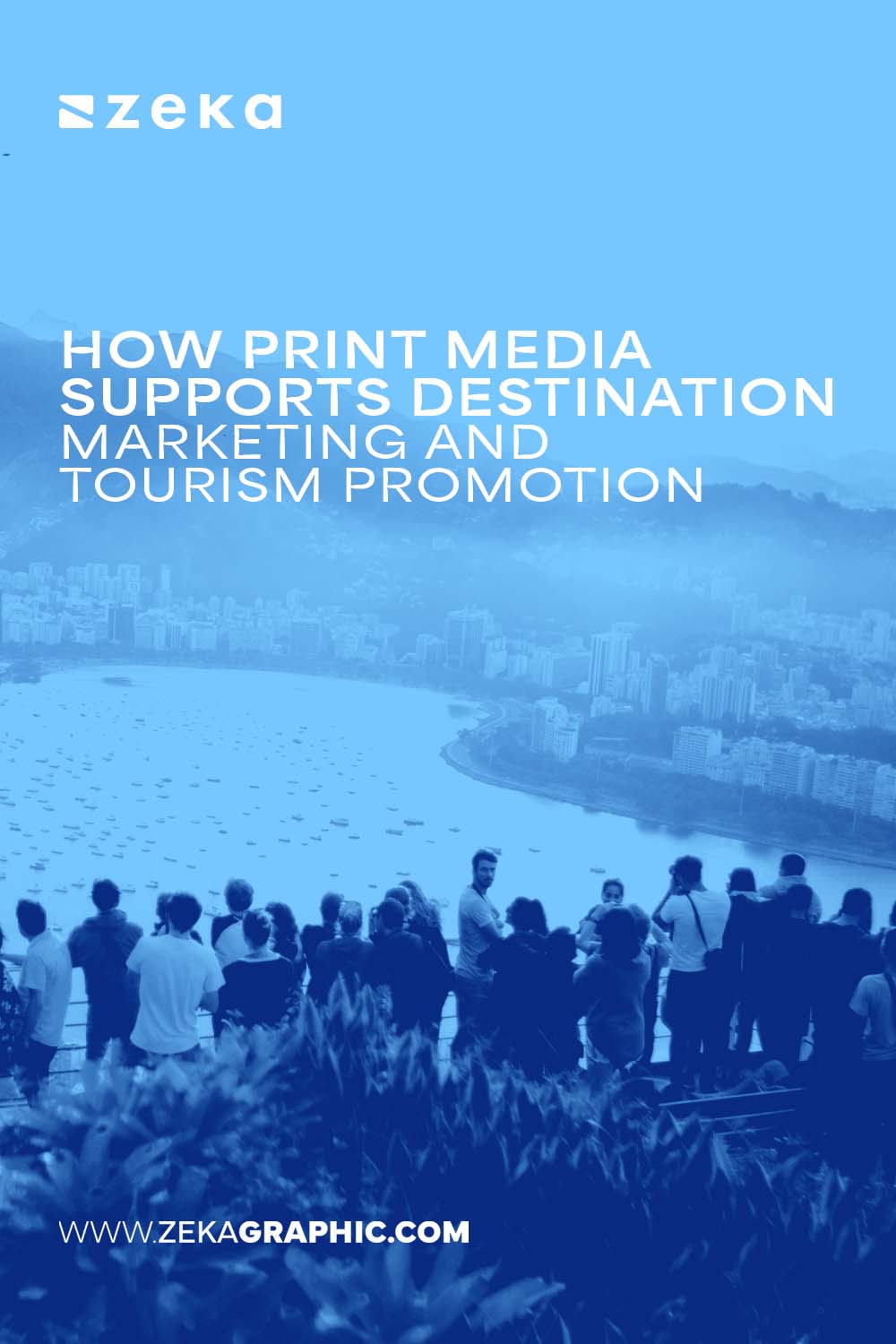
Pin it for later!
If you found this post useful you might like to read these post about Graphic Design Inspiration.
Advertisment
If you like this post share it on your social media!
Advertisment



Want to make your Business Grow with Creative design?
Advertisment

Advertisment