Freelancing and running a studio are not the same job, even when the design work looks identical. The gap shows up the moment a contractor becomes an employee, or a spare-bedroom setup becomes a leased office. Suddenly there’s a payroll calendar, a paper trail for onboarding, a permit application, and a production line for branded gear that isn’t just for clients anymore.
None of this shows up in a portfolio, and none of it gets taught in design school, which is exactly why so many capable designers stall out once they’ve made 2 or 3 hires. The work is still good. The business underneath it just isn’t built yet.
Here’s what actually needs to exist before a business card can call itself a studio without stretching the truth.
Advertisment
Get any one of these wrong and the cost shows up months later, in a payroll penalty, a burned-out hire, a blown lease deposit, or a batch of merch nobody wears.
A batch of custom swag for the team, ordered through the same setup used for client jobs, costs little in either time or money once the artwork already exists. Most studios already run a production pipeline for tote bags, tech accessories, and conference giveaways for clients. That same pipeline rarely gets pointed at the people doing the work.
Generic branded stock does less than owners assume. O.C. Tanner’s 2025 State of Employee Recognition Report, based on responses from 2,815 employees across 5 countries, found that company-specific awards land 8 times more meaningful than generic ones, and personalized items jump to 24 times more meaningful.
A studio’s own artwork already clears that bar, and a stock catalog item with a logo slapped on it doesn’t. Print-on-demand platforms like Printful and Printify make this simple to execute without holding inventory or fronting production costs, which matters when the run is only 5 hoodies instead of 500.
Recognition earning its own part of a business strategy isn’t just a big-company idea. A 5-person studio that marks milestones with something intentional builds the kind of loyalty a bigger paycheck alone doesn’t buy.
Advertisment
The first shift, once a contractor becomes an employee, is scheduling. A freelancer sets her own hours and invoices when the work ships, but an employee needs shifts planned and hours logged somewhere more reliable than a shared calendar, which is why Homebase like employee scheduling software earns its place once headcount hits 2 or 3. Payroll changes just as fast: a paycheck now has to land on the same date every 2 weeks, with taxes withheld correctly the first time.
The financial math changes more than most owners expect. The Economic Policy Institute’s January 2025 analysis found that a customer service worker earning a median $39,680 a year loses between $8,155 and $11,539 in pay and benefits when classified as an independent contractor instead of an employee. Flip that around, and an employer absorbs roughly that same gap in taxes, insurance, and paid time off the moment someone moves from a 1099 to a W-2.
Build that reserve before the first payroll run, not after it’s overdue. The same cash flow tips that got you through slow client months are what keep a first payroll cycle from turning into a scramble.
A basic system for employee training solves the first problem every studio hits with its first junior hire: nobody wrote down how anything gets done. Client files live in the owner’s head, feedback happens in hallway conversations a new hire wasn’t part of, and revisions follow a process that only makes sense to whoever invented it. A shared folder with file-naming rules, brand guidelines, and a checklist for the first week closes most of that gap before it costs a client relationship.
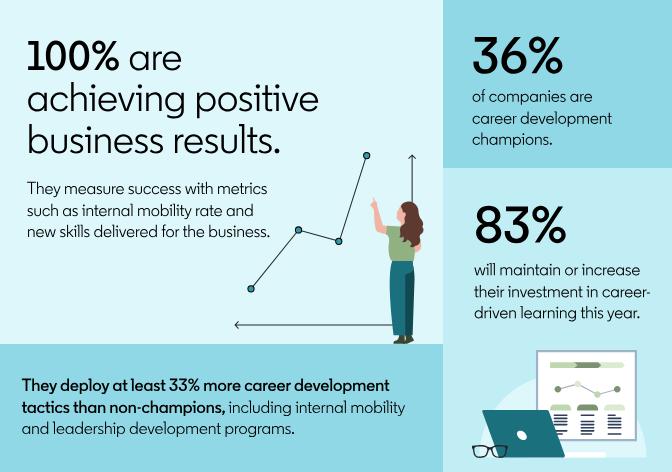
The upside compounds fast. LinkedIn Learning’s 2025 Workplace Learning Report, surveying 937 HR and L&D professionals, found that 88% of organizations are concerned about employee retention, and providing learning opportunities ranked as their No. 1 retention strategy. A junior designer who can see a real skill path is a junior designer who sticks around long enough to work without supervision.
None of this needs to be fancy. A single-page onboarding document beats an elaborate program nobody updates, and revisiting it after every new hire keeps it honest instead of aspirational.
Eventually a studio outgrows a spare bedroom, and the jump to a leased office comes with its own learning curve: permits, code compliance, and a buildout schedule that rarely matches the one in the lease. Any general contractor worth hiring runs the project on Ressio like construction management software, worth asking about before signing anything, since a contractor without a real system for tracking permits and change orders is usually the source of the delay.
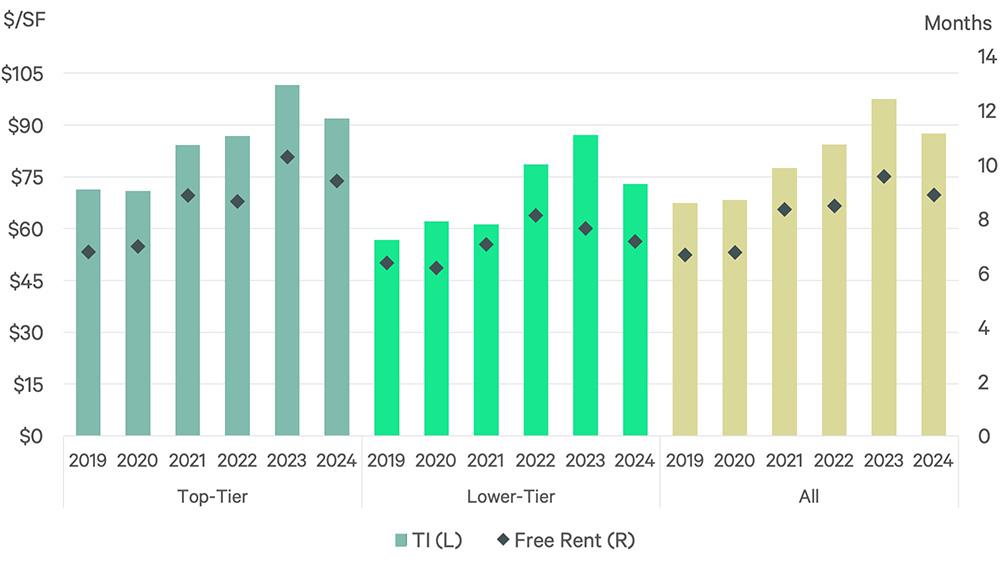
Budget the real gap yourself. CBRE’s research on office leasing found that the average landlord-funded improvement allowance for lower-tier buildings, the kind most first-time tenants land in, fell 16% in 2024 to $73 per square foot. Whatever a landlord offers toward the buildout, plan to cover the rest out of pocket rather than assume it’s included.
The instinct to treat this like a bigger version of a home office setup is understandable and wrong. Code compliance, egress requirements, and ADA rules apply the moment a business leases square footage, and a landlord’s broker won’t necessarily walk through any of it unprompted.
Advertisment
Fix whichever system is most likely to break with the next hire, not all of them at once. For most studios that’s documentation: a written process costs an afternoon now and saves weeks of the owner re-explaining the same thing to every person who joins after.
Skip it long enough and the cost isn’t one bad payroll run or one awkward first week. It’s a studio that never stops depending entirely on the person who started it, which caps how big it can get no matter how good the work coming out of it is.
None of that holds if the identity underneath it can’t survive someone else touching it. Zeka Design builds brand systems specific enough that a new hire follows the guidelines without asking, so the studio looks unified no matter who’s at the keyboard. Start with a brand audit before the next hire, not after.
Advertisment
Pin it for later!
If you found this post useful you might like to read these post about Graphic Design Inspiration.
Advertisment
If you like this post share it on your social media!
Advertisment



Want to make your Business Grow with Creative design?
Advertisment
Advertisment