A logo has always been more than a visual symbol. It’s the face of a business, the first impression customers remember, and often the reason a brand feels trustworthy before a single word is read. In today’s digital-first world, where businesses compete for attention across websites, social platforms, ads, and mobile screens, logo design has become even more important.
But branding is also evolving quickly. Businesses no longer have months to spend building visual identities from scratch, especially startups, creators, and small companies trying to launch fast without sacrificing quality. That shift has opened the door for smarter, faster creative tools that blend technology with design thinking.
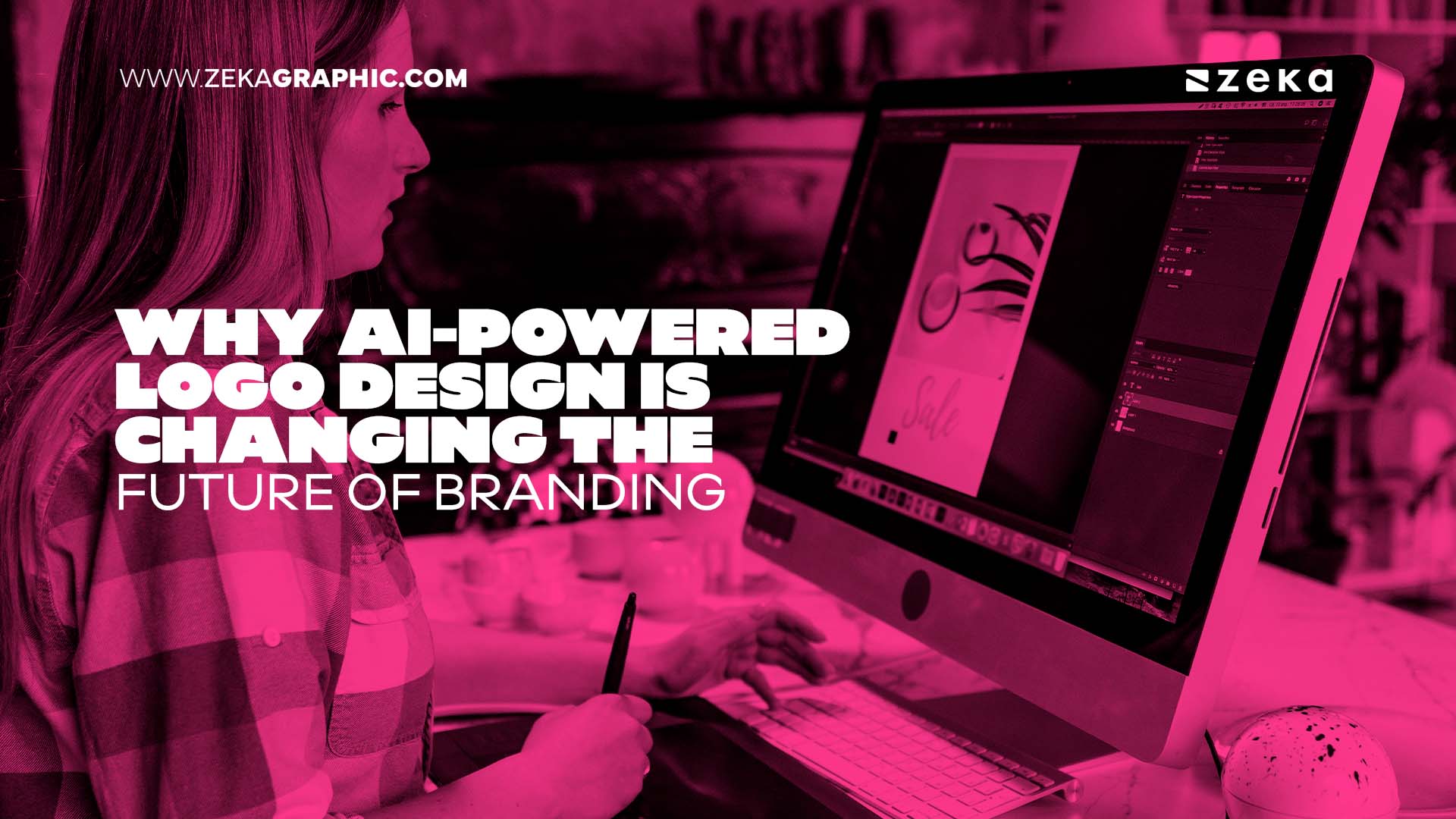
Modern designers are no longer relying solely on traditional workflows. Instead, they’re combining creative direction with AI-assisted systems that help streamline brainstorming, refine concepts, and speed up production without losing originality. For agencies and independent creatives alike, this creates new opportunities to deliver polished branding experiences in less time while staying competitive in a crowded market.
One of the biggest reasons for this shift is accessibility. Businesses that once struggled to afford professional branding can now experiment with concepts much earlier in the process using tools like AI Logo Maker, which allows users to quickly explore logo directions before refining them into complete brand identities. Rather than replacing designers, these tools often serve as a creative starting point that helps teams move from idea to execution more efficiently.
Advertisment
Audiences today make decisions quickly. A visitor landing on a website forms opinions within seconds, and visual branding plays a huge role in that process. Clean typography, recognizable color palettes, and memorable logos all contribute to how professional a business feels.
This has changed the expectations placed on brands. Companies are no longer judged only by their products or services; they are judged by presentation. Even small local businesses now compete visually with global brands because customers encounter them in the same digital environments.
As a result, logo design has become less about decoration and more about strategic communication. A good logo should instantly reflect personality, industry relevance, and emotional tone. A modern tech startup may need a minimal and futuristic identity, while a handmade skincare brand might benefit from softer typography and organic visual elements.
The challenge is balancing originality with practicality. Logos must work across websites, mobile apps, packaging, social media icons, presentations, and even merchandise. Simplicity, scalability, and adaptability matter more than ever.
There’s a misconception that AI-driven design tools eliminate creativity. In reality, many designers use them to accelerate repetitive tasks while focusing more energy on strategy and refinement.
Think about the early stages of logo development. Designers often spend hours gathering references, testing styles, exploring typography, or experimenting with layout directions before narrowing down concepts. AI-assisted platforms can speed up this exploration phase dramatically.
Instead of beginning with a blank canvas, creatives can generate multiple stylistic directions within minutes, helping clients visualize possibilities earlier in the process. This creates faster feedback loops and often leads to more collaborative branding discussions.
For freelancers and agencies handling multiple projects at once, efficiency matters. Faster concept generation means more time for brand strategy, storytelling, user experience, and final polish :the areas where human creativity still matters most.
Advertisment
The future of branding isn’t purely manual or fully automated. It’s a hybrid.
Many successful design teams now combine AI-generated inspiration with custom illustration, typography refinement, and strategic brand development. The technology handles speed and experimentation, while designers shape emotional impact and uniqueness.
This hybrid workflow is especially valuable for startups launching on limited budgets. Early-stage businesses often need logos quickly for pitch decks, social profiles, and websites before investing in comprehensive branding packages.
A founder might begin with AI-assisted concept generation to identify a preferred visual direction. Later, a professional designer can refine spacing, improve scalability, develop brand guidelines, and build a cohesive identity system around the chosen concept.
This approach makes professional branding more accessible without lowering creative standards.
Trends change constantly, but memorable logos tend to share a few consistent qualities.
The strongest logos are often surprisingly simple. Overcomplicated visuals can become difficult to recognize or scale across digital platforms. Minimal marks usually perform better because they are easier to remember.
A logo should reflect the tone of the brand. Financial companies often lean toward stability and professionalism, while entertainment brands may use bolder, more playful design systems.
Modern logos need to work everywhere: websites, profile photos, app icons, packaging, and print materials. Responsive logo systems are becoming increasingly important for multi-platform branding.
People remember brands that create emotion. Color psychology, typography choices, and visual balance all influence how audiences feel about a company.
Advertisment
For many entrepreneurs, branding used to feel overwhelming. Hiring agencies, scheduling revisions, and waiting weeks for deliverables often slowed down launches.
Today, businesses can validate ideas much faster. Restaurant owners, ecommerce sellers, personal brands, and content creators can experiment with visual identity concepts early in development rather than postponing branding entirely.
This matters because strong branding builds confidence. Customers are naturally more likely to trust businesses that appear polished and visually cohesive.
Even temporary branding solutions can help businesses establish credibility while growing toward larger investments later.
Despite the rise of AI tools, strong branding still depends heavily on human insight.
A logo alone doesn’t create a successful brand. Designers must understand audience psychology, market positioning, storytelling, competitive differentiation, and emotional communication. Those elements require experience, empathy, and creative judgment.
AI can generate options, but it cannot fully understand the cultural context or emotional nuance behind a brand’s mission. That’s why the most effective branding projects still rely on creative professionals who know how to shape ideas into meaningful visual systems.
Technology works best when it supports creativity rather than replacing it.
Several design trends are becoming increasingly visible across modern branding projects.
Brands are creating flexible logo systems that change depending on screen size, platform, or context while remaining recognizable.
Clean sans-serif fonts and balanced spacing continue dominating digital-first branding strategies.
Animated logos and dynamic visual identities are becoming more common across social media and video platforms.
Consumers increasingly connect with brands that feel authentic and human rather than overly corporate.
Companies now refresh branding more frequently than before, especially online businesses responding to changing trends and audience behavior.
Advertisment
Branding has entered a new era where speed, creativity, and adaptability matter equally. Businesses want professional identities faster, designers need more efficient workflows, and audiences expect polished visuals across every platform they use.
AI-assisted design tools are helping bridge that gap by making early-stage branding more accessible and collaborative. When combined with thoughtful creative direction, these tools can support stronger workflows rather than replace human expertise.
At its core, successful branding still comes down to understanding people:how they think, what they trust, and what they remember. Technology may continue changing the process, but meaningful design will always depend on human creativity, strategy, and emotional connection.
Advertisment
Pin it for later!
If you found this post useful you might like to read these post about Graphic Design Inspiration.
Advertisment
If you like this post share it on your social media!
Advertisment



Want to make your Business Grow with Creative design?
Advertisment
Advertisment