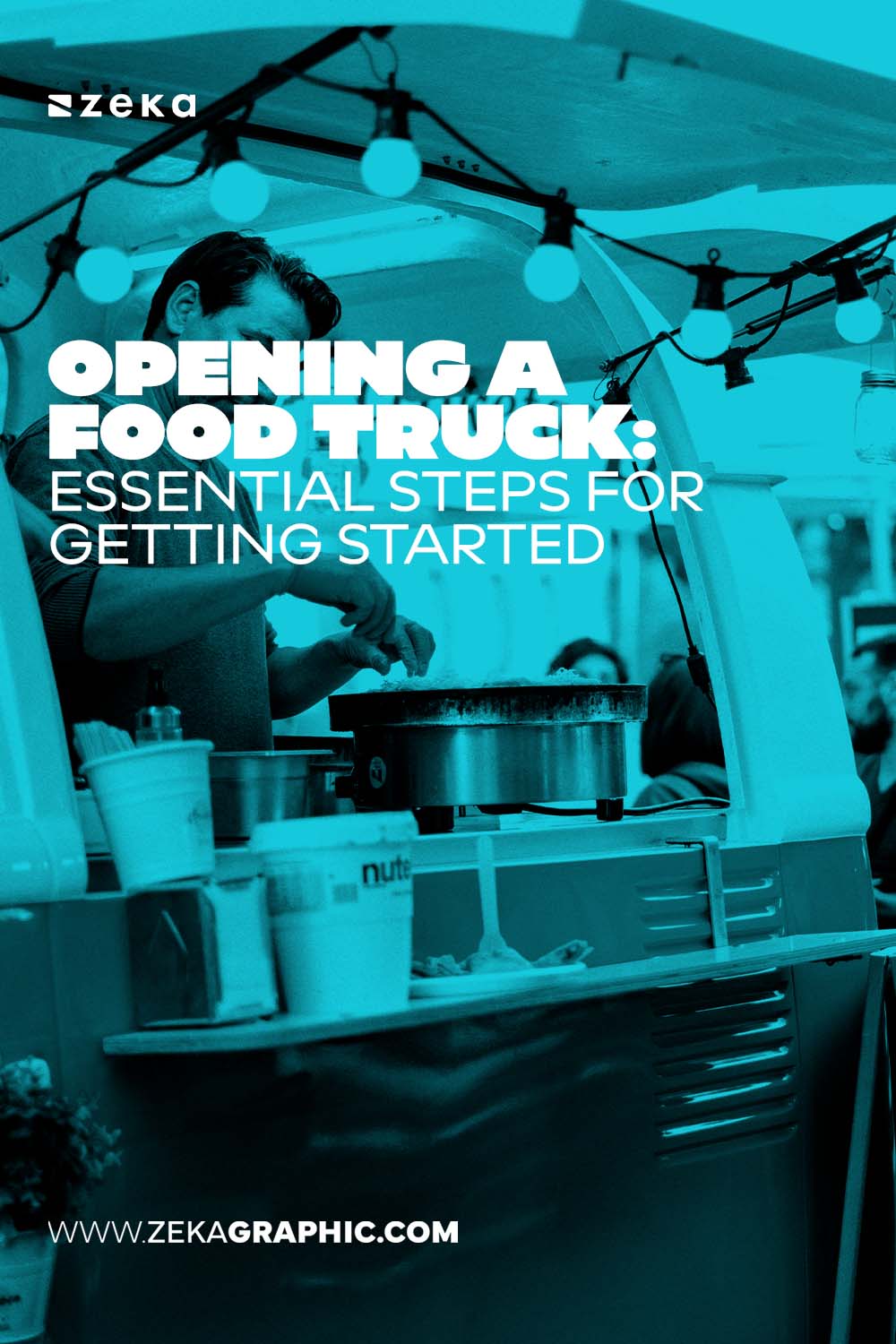
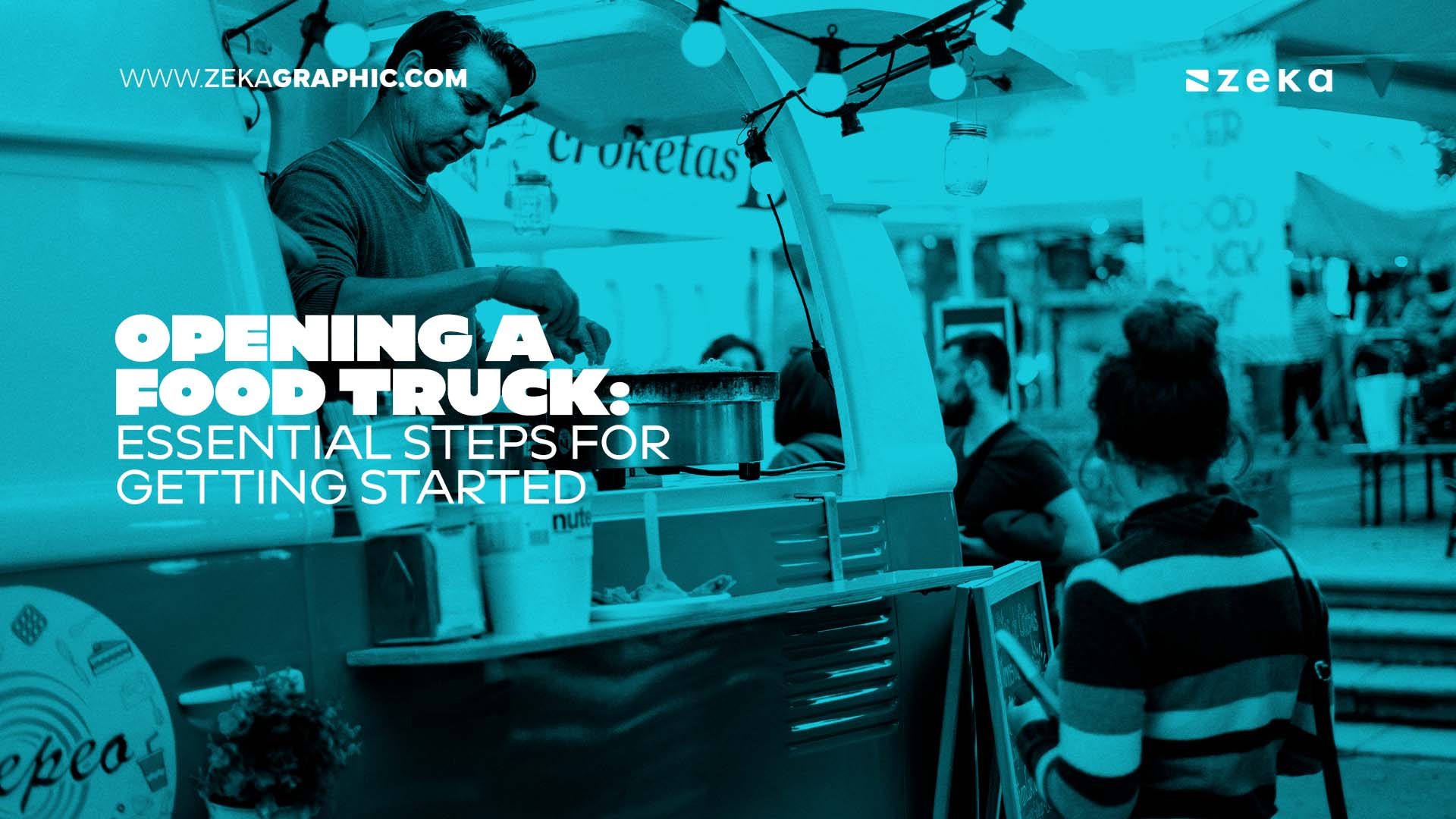
Opening a Food Truck: Essential Steps for Getting Started

Opening a Food Truck_ Essential Steps for Getting Started

The food truck industry has transformed from a niche market into a booming culinary movement. For many aspiring entrepreneurs, transitioning from a home cook to a mobile business owner offers a unique opportunity to serve delicious meals on the go with lower startup costs than traditional brick-and-mortar restaurants. However, building a thriving food truck business requires more than just great recipes; it demands strategy, creativity, and persistent planning.

Advertisment

1. Research the Market and Define Your Niche

Before hitting the streets, it is crucial to understand your local food truck landscape. Start by identifying potential customers and researching local food trends. You should look for gaps in the market; for example, if your area already has several taco trucks, you might consider offering gourmet burgers or fusion cuisine to stand out.


Finding your unique niche is the first step toward standing out in a highly competitive market. Whether it is a secret family recipe, organic snacks, or a specific focus like vegan or gluten-free meals, your concept should reflect your culinary passion while meeting market demand.

2. Develop a Comprehensive Business Plan

A well-structured business plan serves as your roadmap and is essential for securing funding. Your plan should outline your goals, target audience, and detailed financial projections. Key components include:


  • Executive Summary: A brief overview of your food truck concept.
  • Market Analysis: Insights into potential customers and local competitors.
  • Operational Plan: Details on daily staffing, food sourcing, and logistics.
  • Financial Estimates: Projections for startup costs—including equipment and permits—as well as revenue and profit margins.


Budgeting is especially critical, as costs include the vehicle, kitchen equipment, fuel, and staff wages.

Advertisment

3. Navigate Permits and Regulations

The food truck industry is heavily regulated, and compliance with local laws is non-negotiable. Requirements vary significantly by location, but you will typically need to obtain:


  • Business licenses and health department permits.
  • Food handler certifications.
  • Vehicle licenses and parking permissions.


Check with city officials and local health departments early in the process to ensure you meet all inspection and certification requirements before you begin operations.

4. Choose and Design Your Vehicle

Choosing the right truck or trailer is essential for your success. You must consider size, equipment needs, and overall condition. For those with limited startup capital, looking for an enclosed trailer for sale in Utah or renting a shared commercial kitchen can significantly reduce initial expenses.


Your truck is both your kitchen and your storefront. Prioritize high-quality, essential equipment that supports your menu without overcrowding the space. Furthermore, do not overlook external design; a well-designed vehicle wrap with eye-catching graphics and a memorable logo acts as a moving billboard to attract customers.

5. Craft an Irresistible Menu

Your menu is the heart of your business. Aim for a concise selection that highlights signature dishes rather than an extensive list. This focus simplifies operations in a mobile kitchen and helps build a stronger brand identity. Ensure your menu is manageable and reflects your concept while catering to your target audience’s tastes and dietary preferences.

6. Build a Strong Brand and Online Presence

A memorable brand creates an emotional connection with your consumers. Consistency in your logo, colors, and messaging across all platforms—from your truck’s graphics to your social media—is vital for recognition. Packaging also acts as a “silent salesperson,” so choose durable, functional materials that reflect your brand values.


Digital visibility is equally important. In addition to using Instagram and Facebook to announce locations, optimizing your web presence is key. For those operating in specific regions, implementing on page search engine optimization in Utah can help local hungry customers find your truck quickly through search engines.

Advertisment

7. Master Location and Launch

Success often depends on being in the right place at the right time. Experiment with high-traffic areas like business districts for lunch, parks, or weekend festivals. Flexibility is one of your biggest advantages, so use it to find the schedules that generate the most revenue.


Once you launch, stay adaptable. Collect customer feedback and use it to refine your menu or operations. With careful planning and creativity, your food truck can become the next go-to spot in your community.

Advertisment

Pin it for later!

Opening a Food Truck

If you found this post useful you might like to read these post about Graphic Design Inspiration.

Advertisment

If you like this post share it on your social media!

Share on facebook
Share on twitter
Share on pinterest
Share on vk
Share on telegram
Share on whatsapp
Share on linkedin

You Might Be Interested On These Articles

Advertisment

Latest Post