Every marketing team now has access to the same AI tools. The same copy generators, image models, and ad platforms are deciding who sees what, and when everyone runs the same engine, plenty of brands drift toward a single shared tone and look.
Speed stopped being an advantage the moment everyone had it. What stays scarce is a brand people can recognize before they read the logo. The businesses marketing smarter right now decided who they are before letting software produce anything in their name, and then used AI to do more of that, faster.
Below are the places AI is changing marketing work. In each one, a brand decision still determines whether the output helps you grow or makes you easier to forget.
Advertisment
Each of these saves time, and each one can quietly turn a recognizable brand into one that looks and sounds like everyone else in its category.
Ad platforms can now build lookalike audiences, predict purchase intent, and shift budget between segments every hour. What they can’t do is decide who your brand is for, and if you leave that open, the algorithm will pick whoever converts at the lowest cost this week.
IAB’s State of Data 2025 report, based on a survey of over 500 experts across agencies, brands, and publishers, found that half the industry lacks a strategic roadmap for AI in media campaigns.
That gap shows up in targeting first. A premium furniture brand ends up chasing bargain hunters because they click, and the creative slowly bends toward them. Write a single paragraph describing the buyer you want more of, including who you are happy to exclude, and start every targeting brief from it.
Advertisment
AI has made outbound almost free to scale. Tools can find contacts, write sequences, and score leads in an afternoon, which is exactly why inboxes fill up with polished messages from companies nobody has heard of.
Use AI to qualify and route leads faster. Then spend the hours it saves on being known before the buyer starts looking. That shows up most in reply rates. The mechanics of a cold email campaign are a commodity now, since any team can find contacts and send at volume, so what separates a 2% reply from a 10% one is usually whether the sender’s name means anything before the subject line gets read.
Additionally, deploying an enterprise DMARC management platform protects cold outreach domains from spoofing and ensures outbound messages land reliably in primary inboxes.
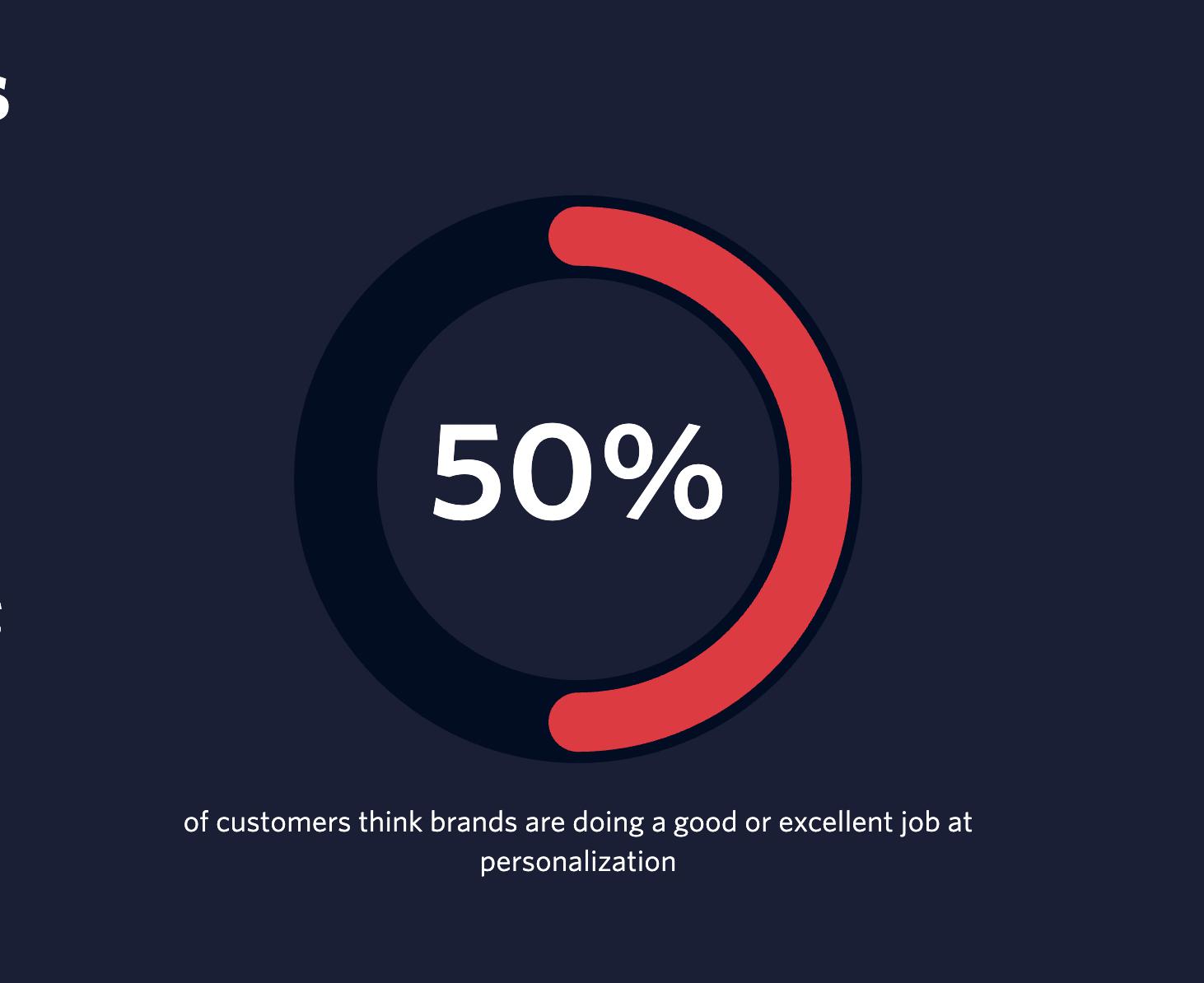
Dropping a first name into a subject line stopped impressing anyone years ago. AI can now tailor product recommendations, landing pages, and offers to each visitor, yet Twilio’s 2025 State of Customer Engagement Report, which surveyed 7,640 consumers, found that only 50% feel understood by the brands they interact with.
Much of that gap comes from inconsistency. If the homepage speaks like a consultancy and the personalized email reads like a discount app, the customer meets 2 different companies. Personalize the offer and timing, and keep the voice, visuals, and promises identical for everyone.
For ecommerce brands, the same principle applies to ecommerce popups. Offers can be personalized based on visitor behavior or intent, while the design, messaging, and tone should remain consistent with the overall brand experience.
Tracking a rival’s pricing page, ad library, and product launches used to take an analyst a week. Now it runs in the background, and Crayon’s 2026 State of Competitive Intelligence report found that 80% of competitive teams use AI to generate sales-facing competitive content, up from 25% in 2024.
When every company watches every rival through the same tools, categories converge on identical feature grids and near-identical color palettes. Read the intel for gaps, not templates. If 5 competitors all lead with speed, the open position is probably trust, craftsmanship, or specialization, and that is where your brand story should sit.
Search is splitting into 2 behaviors: people who ask a question and accept the AI summary, and people who type the name of a brand they already have in mind. Pew Research Center tracked the Google searches of 900 US adults in March 2025 and found that users who saw an AI summary clicked a traditional search result in 8% of visits, compared with 15% for those who did not.
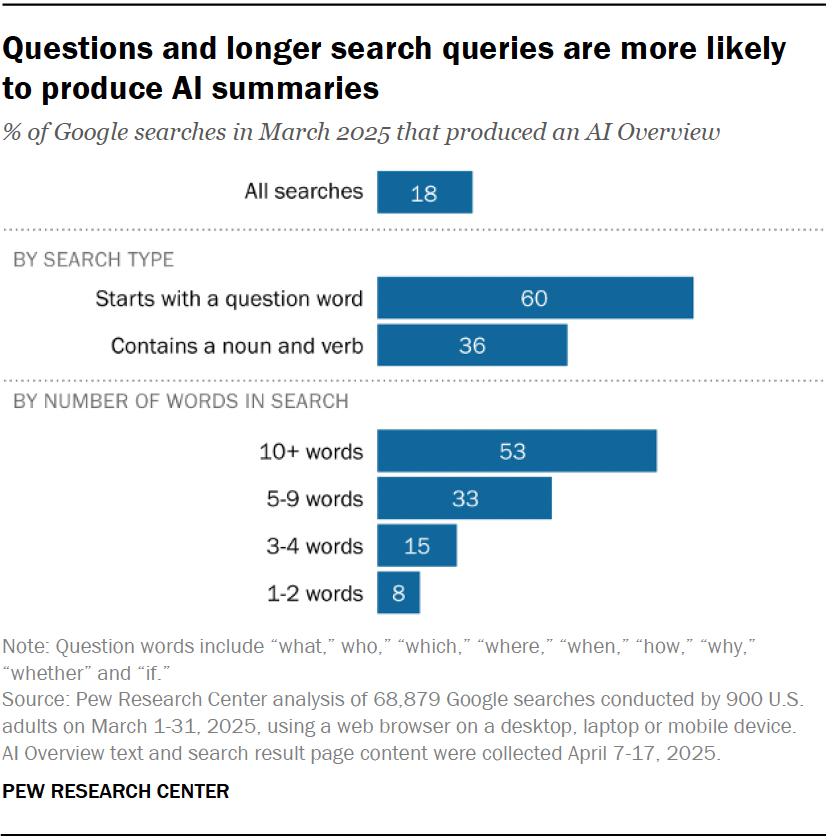
That makes generic how-to content a weaker bet than it used to be. What holds up is material an AI summary has to cite, such as your own data, expert opinion, and client work, plus a brand strong enough that people search for you by name instead of by category. Branded search volume is the SEO metric most teams watch the least and should watch the most.
Advertisment
Listening tools now summarize sentiment across millions of posts and flag trending topics before lunch. The temptation is to jump on every one, and audiences notice. Sprout Social’s 2025 Index, which surveyed over 4,000 consumers, found that 1 in 3 consumers think brands jumping on viral trends is embarrassing.
Better listening means finding complaints and questions that align closely with what you already stand for. Online reputation management tools can help here by collecting mentions and reviews across platforms, so that recurring complaints and praise appear in one place rather than being scattered. A skincare brand that hears repeated confusion about ingredient labels can build a content series, a packaging fix, and a support script from a single signal.
That same signal can point toward merch too, a brand that keeps hearing the same inside joke or nickname from its audience has a stronger case for custom t-shirts than one guessing at a design nobody asked for. A meme with no connection to the product is a distraction, no matter how many views it gets.” A meme unrelated to the product is a distraction, no matter how many views it gets.
A dedicated social media community can also provide brands with a more focused environment to identify recurring questions, gather customer feedback, and understand the topics their audience genuinely cares about.
Email teams have adopted AI faster than almost anyone else.
When each campaign gets fresh AI-generated imagery, the newsletter no longer looks like it came from the same company twice, and subscribers who used to spot you instantly in a crowded inbox now have to read the sender line. The fix is not to stop using image models but to brief them like a designer.
Tools like flux image 3 respond well to detailed prompts, so a saved prompt that fixes your palette, lighting, and composition keeps every campaign visually recognizable as yours.
Even with AI-powered email marketing tools handling campaign creation and personalization, consistent branding still depends on the templates, visual guidelines, and tone of voice behind every send. Build locked templates with your fonts, color palette, and image style defined. Let AI fill the slots, and keep it away from designing the page.
A chatbot can easily hold more conversations with your customers this year than your whole sales team, which makes it one of the loudest expressions of your brand.
Customers arrive wary. A Gartner survey of 5,728 customers found that 64% would prefer companies didn’t use AI for customer service, with difficulty reaching a person named as their top concern.
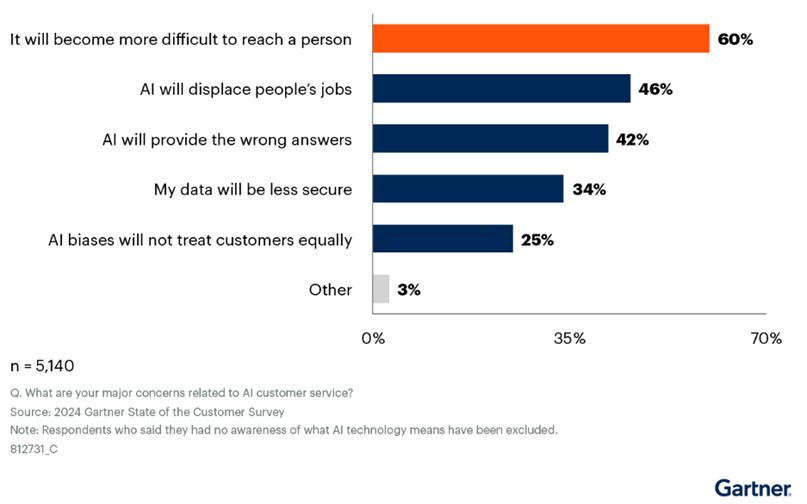
Most of that resistance comes down to 2 design choices. Write the bot a voice guide the way you would brief a new hire, including what it should never say. AI avatars and chatbots can offer different ways to make automated interactions feel more engaging, with visual avatars adding a more human-like layer to the customer experience. And put a clearly labeled route to a human on every screen, because a bot that hides the exit tells customers exactly how much you value their time.
This is why brand-critical deployments increasingly rely on custom AI chatbot development services rather than default templates. A bot built around a company’s own voice guide and escalation rules, as firms like QuantumXL approach it, expresses the brand consistently instead of sounding like every other assistant in the category.
Behind the chat window, AI is changing what support agents do all day. AI in customer experience can summarize ticket histories, draft replies, and route cases to the right person.
Those projections cut both ways. Once AI clears the password resets and order-status questions, the cases left for people are the angry, complicated, and expensive ones, and those are the moments customers remember and retell. Put your most experienced staff on the remaining work, because that is where the brand promise is actually tested.
That said, resolving an issue is only part of the job; teams also need to understand what it reveals about customer expectations. Using AI for customer insights, teams can ask questions across customer research and feedback, with answers linked to the original evidence. Use those findings to identify where the experience falls short of your brand promise and decide what needs to change
As support teams grow, Homebase-like employee scheduling tools can help ensure experienced staff are available during peak service hours, making it easier to maintain a consistent customer experience across every interaction.
Regular employee training helps teams handle complex customer situations consistently, ensuring that the experience customers receive aligns with the brand standards communicated through marketing and sales.
Similarly, organizations can improve hiring consistency and candidate management by using an AI Applicant Tracking System such as Recruit CRM. Recruit CRM helps recruitment teams streamline workflows, automate repetitive tasks, and enhance the overall candidate experience.
Producing a blog post, a carousel, and 3 ad variations now takes minutes. AI video platforms can also help marketing teams turn ideas into short-form videos and social-ready visual content without slowing down the content workflow. Content Marketing Institute’s 2026 B2B research found that 9 in 10 B2B marketers use AI to create content, while fewer than 4 in 10 report improved performance.
For a branded film, that means defining the story, visual style, and feeling you want viewers to take away before production begins. If you work with an AI film studio such as The Blue Horizon, those decisions should guide the brief, giving the team a clear identity to work from rather than asking AI to invent one.
The missing piece is usually a point of view. AI drafts from the average of what already exists, so unedited output reads like the category’s consensus with your logo on top. Feed the tools your opinions, your customer stories, and your list of phrases you would never use, and keep a human editor accountable for whether each piece sounds like you.
The same balance applies to visual branding: an AI logo maker can quickly generate initial logo concepts, but businesses still need clear brand guidelines and human review to ensure the final identity is distinctive and consistent across all marketing channels.
AI-powered audit tools crawl a site and flag broken links, slow pages, missing metadata, and accessibility failures in one pass, then rank them by impact. A surprising share of what they find can be traced back to brand decisions. The WebAIM Million 2025 study of the top 1,000,000 home pages found low-contrast text on 79.1% of them, making it the most common accessibility error detected.
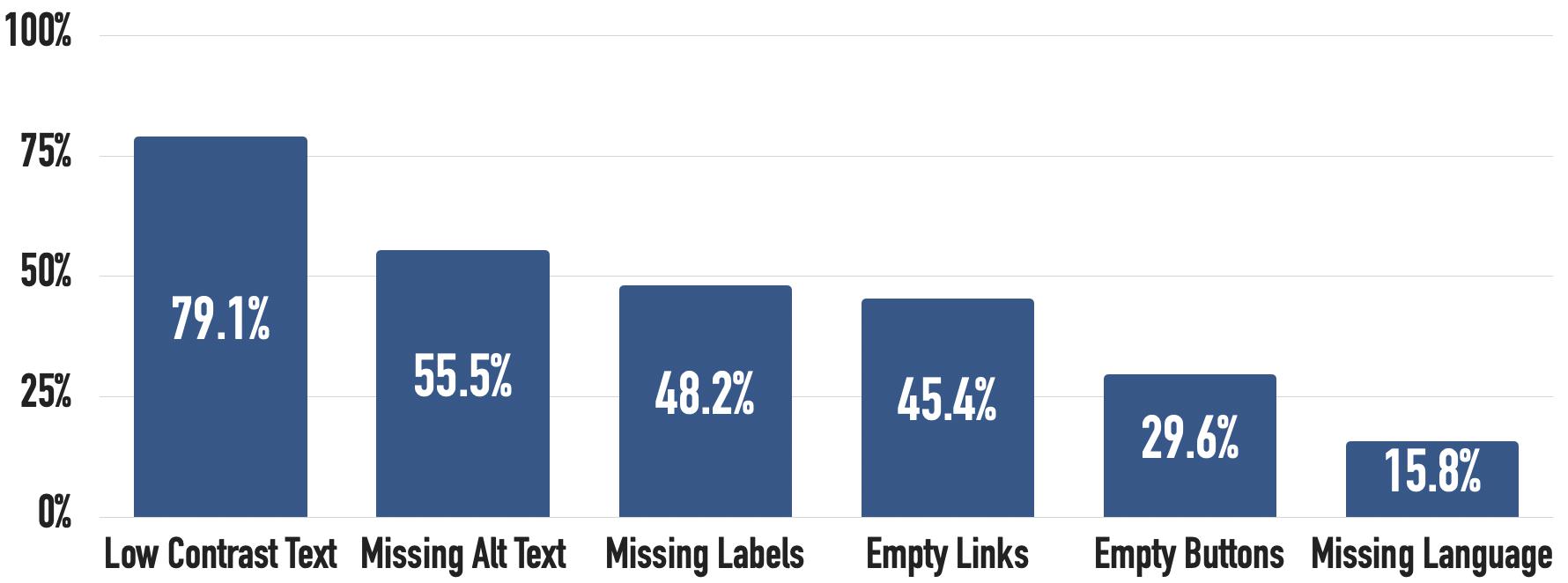
A pale brand gray on white, or light text over a busy photo, looks refined in a mockup and becomes unreadable on a phone in sunlight. Run an audit before any redesign, and fold what it flags about color, type size, and image descriptions back into your brand guidelines so the fix sticks.
Alongside technical checks, calculate the website conversion rate to establish a baseline before making changes to your site. Track it after updates to your messaging, design, or calls to action to see whether a clearer brand experience is translating into more inquiries or sales.
Advertisment
AI multiplies whatever you give it. Feed it a vague brand, and you get vague marketing, faster, across more channels than anyone can review. Feed it a defined identity, a voice people recognize, and a visual system with firm rules, and the same tools will produce work that builds recognition every time it ships.
Sequence matters here. Before adding another AI subscription, ask whether your team could hand a freelancer a single document explaining how the brand looks and sounds. If the answer is no, that document will earn more than the next tool.
Zeka Design, a Valencia-based brand designer, builds that foundation: logo design, brand identity systems, and brand style guides that give your people and your AI tools clear rules to follow. Describe your project on the Zeka Design contact page to start with a brand consulting review of what your current identity is missing.
Advertisment
Pin it for later!
If you found this post useful you might like to read these post about Graphic Design Inspiration.
Advertisment
If you like this post share it on your social media!
Advertisment


Want to make your Business Grow with Creative design?
Advertisment
Advertisment