Every design agency hits the same wall eventually. A client loves the logo, the brand guide, the website. Then they ask the question: “Can you handle our SEO too?”
Most agencies say no. They refer the client out, lose a share of the relationship, and watch a competitor step in. But a growing number of design shops are finding a smarter answer – one that doesn’t mean hiring a full SEO team or pivoting away from the creative work that built their reputation.
The answer is the white-label SEO model. And it’s changing what’s possible for small and mid-size agencies everywhere.
Advertisment
The design world doesn’t exist in isolation anymore. Clients come in having already Googled their competitors, read about keyword rankings, and decided that visibility on search engines matters as much as a polished visual identity.
According to The Business Research Company, the global SEO services market grew from $73.28 billion in 2024 to $86.7 billion in 2025 – a growth rate of 18.3% in a single year. That number tells you what clients are prioritizing with their budgets.
For design agencies, this creates a real opportunity. You already have the client relationship, the trust, and the brand strategy knowledge. SEO is a natural extension – not a foreign service. The question is how to deliver it without stretching your team.
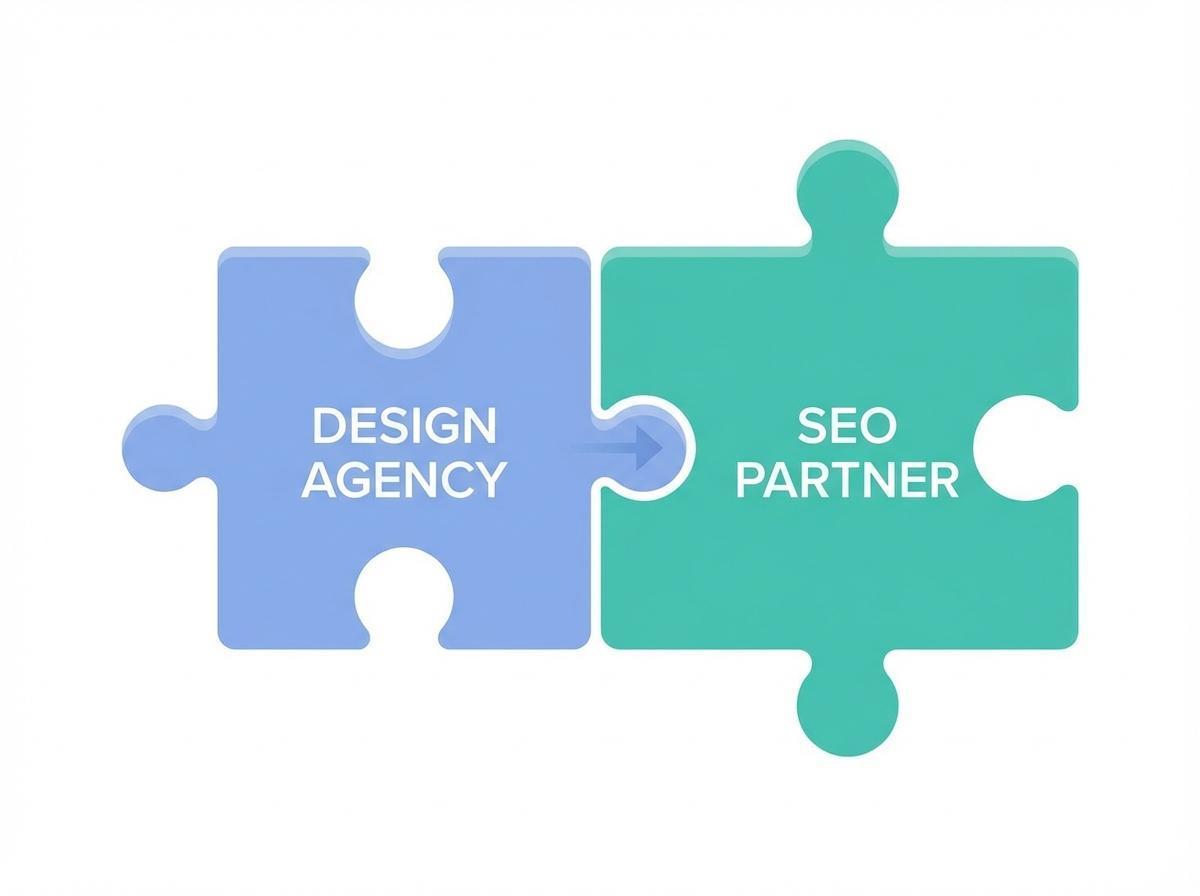
That’s where white-label partnerships come in. Working with the best white label SEO company allows agencies to offer fully managed SEO under their own brand, without touching a single additional hire. The SEO work gets done by specialists. The client sees your agency’s name on every report.
The HubSpot Agency Benchmark Report (2024) found that 61% of agencies already outsource at least one core SEO service, with 29% planning to expand that outsourcing further. Design agencies are joining this trend fast – and the ones who move early are building stronger client relationships while their competitors are still turning down the question.
If you’re already thinking about how to differentiate your agency beyond design work, this piece on ways to stand out in a crowded digital marketing landscape offers a useful broader perspective.
The white-label model is simple once you see it clearly. You sell SEO services to your clients at your agency’s rates. A specialist SEO provider – your white-label partner – delivers the actual work. Everything is branded as yours. Your client never knows there’s a partner involved.
That might sound complicated, but in practice it’s a clean division of labor. Your agency handles the client relationship, the communication, and the strategic framing. Your white-label partner handles keyword research, on-page optimization, link building, and monthly reporting. You package it, price it, and present it.
The financials are compelling. A 2024 Vendasta study found that agencies leveraging white-label services grew their revenue 2.5x faster than agencies relying solely on in-house resources. A separate analysis by Floowi Talent found that agencies outsourcing 40-60% of service delivery grow approximately 2.3x faster than peers and carry profit margins 18-22% higher.
Those aren’t small differences. They’re the difference between an agency that plateaus and one that scales.
The model also solves one of the most common agency headaches: scope creep. When a client asks for more, you can say yes without overextending your team. You’re not guessing whether you have SEO capacity this month. Your white-label partner scales with you.
Advertisment
Not every white-label SEO provider is built the same. The quality of your partnership directly affects your client relationships – so choosing carefully matters more than most agencies realize upfront.
Start with track record. A good partner should be able to show you case studies with real traffic numbers and timeline data, not vague promises about “organic growth.” Ask specifically about agencies in the design or creative services space – do they understand that your clients think visually, not in spreadsheets? Their reporting needs to make sense to a non-technical client.
Reporting transparency is the second factor. Your clients will ask questions. You need to be able to answer them. A white-label partner that gives you dense technical reports without client-ready summaries is adding friction, not removing it.
Geography can matter too. A SEO company Nashville TN that operates in a specific regional market brings local knowledge that a national provider simply can’t replicate – understanding local search intent, regional competitors, and community-specific search patterns. For agencies serving clients in defined markets, that local depth often outperforms a generic national playbook.
The third factor is niche compatibility. Some white-label providers are built around e-commerce, others around professional services or healthcare. Find one whose case studies look like your clients’ industries.
If you’re thinking about how AI tools are reshaping how creative teams operate, it’s worth reading about building an AI-first creative department – the same thinking about smart delegation applies to SEO outsourcing as much as it does to AI tools.
The biggest practical challenge isn’t finding a white-label partner – it’s figuring out how SEO fits into what you already do. Most design agencies have established project flows. Adding a new service needs to slot in cleanly, not create constant back-and-forth.
The key is front-loading the setup work. When a new client comes onboard for SEO, your white-label partner typically runs an initial audit and builds a keyword strategy. That strategy should feed directly into your design decisions – which pages get optimized, what the URL structure looks like, how the navigation is built. This is where your role as a design agency genuinely adds value that a standalone SEO firm can’t.
Package it right from the start. Don’t offer SEO as an add-on that feels bolted on. Present it as an integrated service – “we handle your brand identity and make sure the right people find it.” That framing lands better with clients and creates a cleaner billing relationship.
The data on why this matters is stark. HubSpot research has consistently shown that SEO leads close at 14.6%, compared to just 1.7% for outbound marketing. Clients who find your work through organic search are already pre-sold on what you do. Building that pipeline for your own agency – and for your clients – is one of the highest-leverage things you can work toward.
One more thing worth flagging: SEO and video content are increasingly connected. If you’re producing video work for clients, getting it optimized for search is a natural extension. This overview of how to use video to tell your brand’s story effectively is relevant reading if you’re thinking about where those two services overlap.
Advertisment
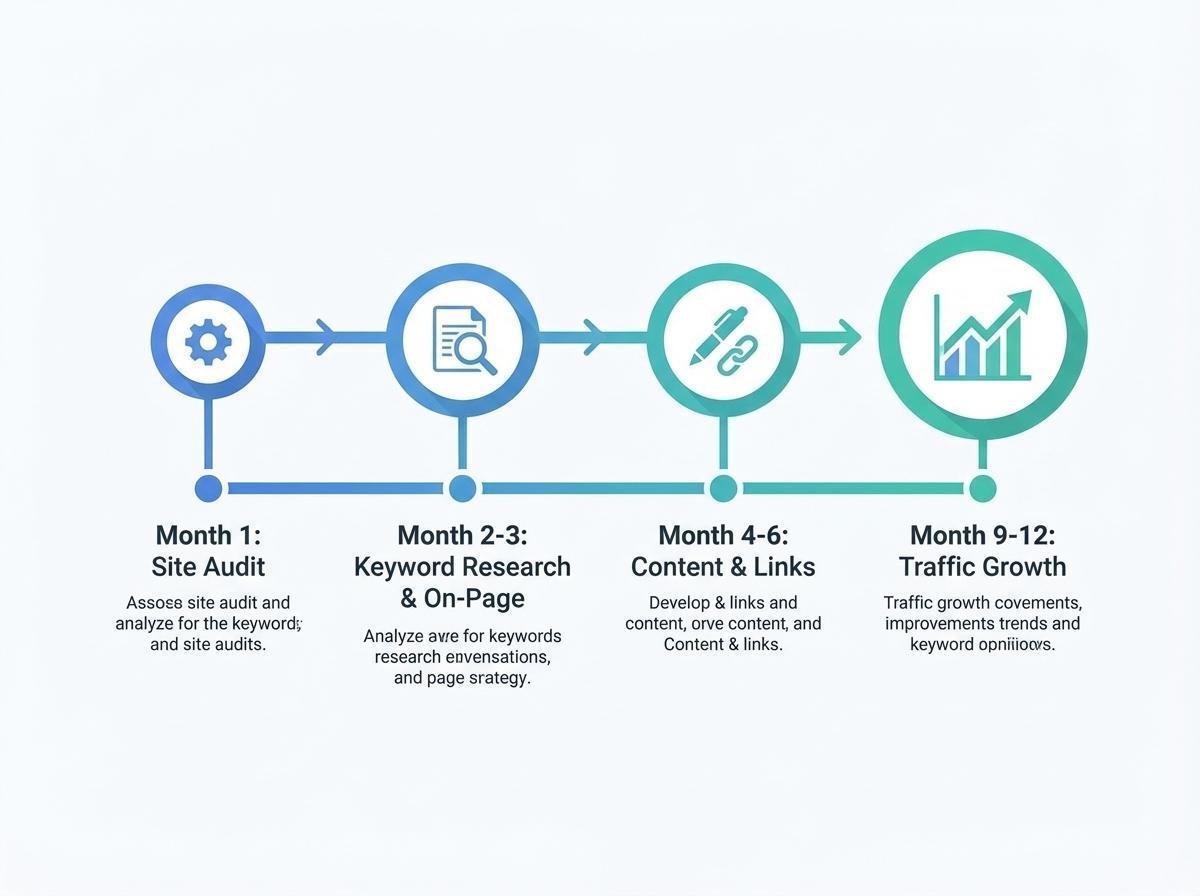
SEO takes time. That’s the most important thing to tell clients upfront – and the most common reason agencies avoid offering it. Nobody wants to be the one fielding “when will we see results?” calls for six months.
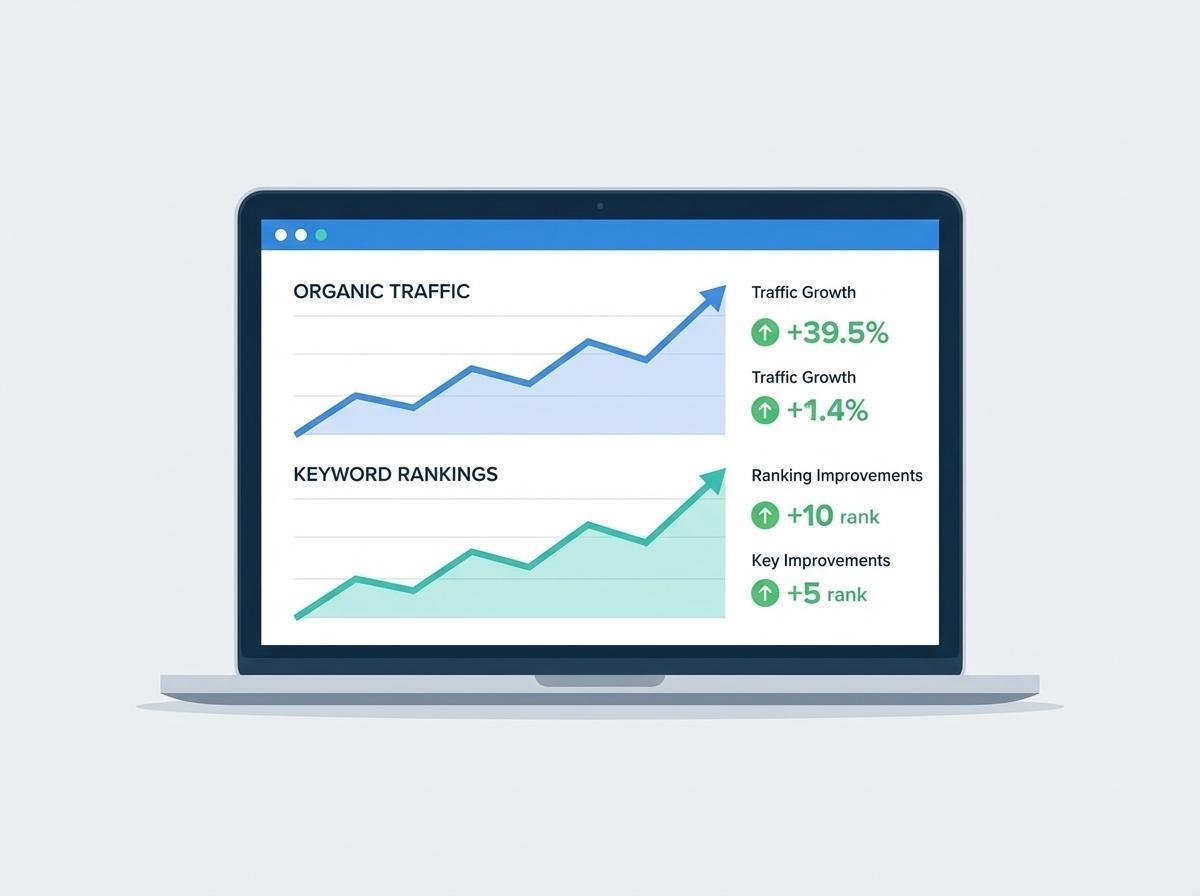
Be direct about the timeline. Most businesses see meaningful organic traffic growth within six months of a well-run campaign. The full financial return typically shows up in year two. That’s not a weakness – it’s a feature. Paid ads stop the moment you stop paying. Organic rankings compound over time.
Set up monthly reporting from day one. Your white-label partner should deliver something you can share with the client without translation – traffic trends, keyword movement, lead attribution. Don’t wait for a client to ask. Send it proactively.
The agencies that keep clients long-term on SEO retainers are the ones who make the results visible early, even when the big traffic numbers haven’t arrived yet. A new keyword ranking in position 8, a 15% traffic bump, a reduction in bounce rate – those are real wins worth presenting. Clients who see incremental progress stick around for the compounding phase.
Advertisment
Design agencies that adopt this model are no longer just creative vendors. They become growth partners. That shift in positioning – from “here’s your logo” to “here’s your logo and here’s how we’re making sure people find it” – changes the entire client relationship.
The business case is clear. The model exists. The only real question is whether your agency will move first or watch a competitor do it for your clients.
Advertisment
Pin it for later!
If you found this post useful you might like to read these post about Graphic Design Inspiration.
Advertisment
If you like this post share it on your social media!
Advertisment


Want to make your Business Grow with Creative design?
Advertisment

Advertisment