You can be the sharpest lawyer or consultant in town and still watch a weaker rival walk off with your client. That is the frustrating truth of professional services branding. When the craft is invisible, and everyone claims to be trusted and experienced, the firm that simply looks more credible wins.
And we are going to tilt that in your favor. We will show you why professional services branding is harder than branding a product and 10 business strategies that turn a decent-looking firm into one that wins.
Advertisment
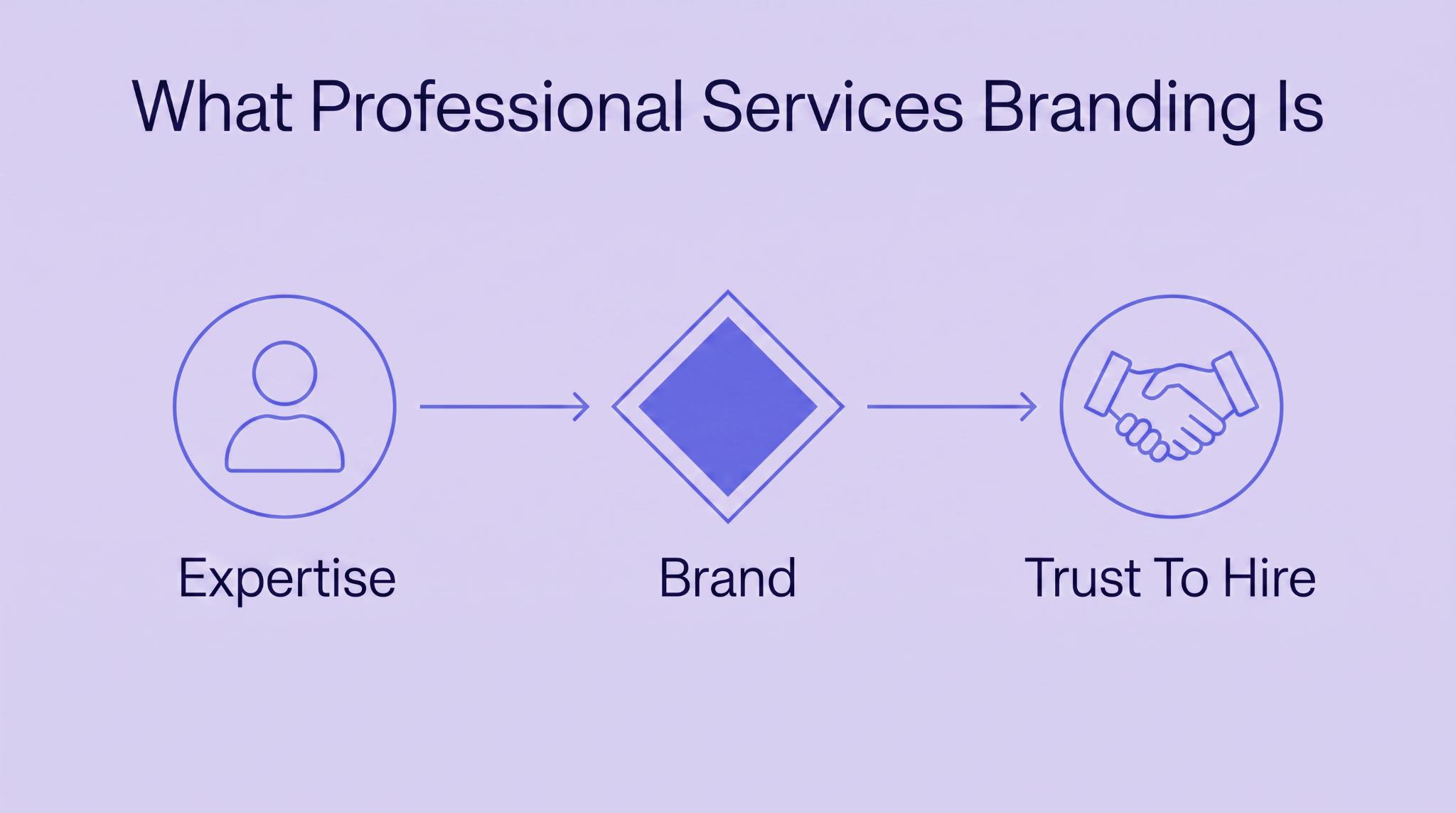
Professional services branding is how a firm that sells expertise, say a law practice or a consultancy, gets itself picked. There is no box on a shelf to point at. What the client is really buying is your judgment and a relationship they cannot test first.
So the brand has to do what a product normally would. It makes the promise and plays a key role in telling a nervous buyer you are safe to hire, all before you have said a word. Get it right, and work starts finding you before you have pitched anyone at all.
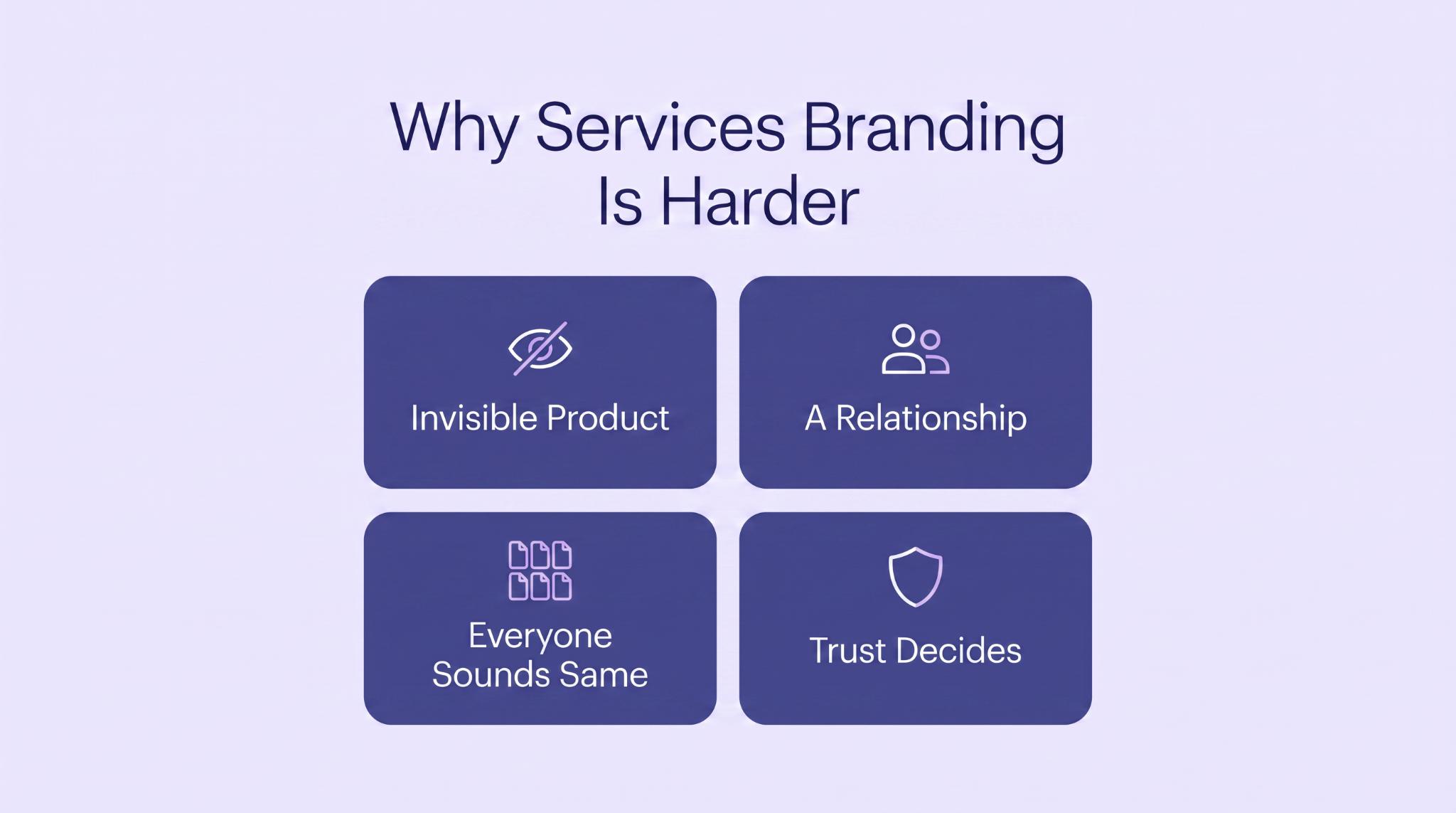
Branding a service is just a different game from branding a product, and most of the advice out there was written for products. Four things make it genuinely harder.
Factor | Product Brand | Professional-Services Brand |
What you sell | A thing you can see | Expertise you cannot see |
How buyers judge | Features and price | Trust and firm’s reputation |
The decision | Fast and low risk | Slow and high risk |
What proof works | Reviews and specs | Results and relationships |
With a product, people can pick it up and read the label. With a service, there is nothing to inspect until the money is already gone. Your buyer is betting on a promise about the future. That uncertainty is the real problem your brand has to chip away at, and slick design on its own will not do it.
You are not a thing people buy and forget. You are the person they will email at odd hours and lean on when everything goes sideways. So they are not just choosing a firm; they are choosing who to be stuck with for months. Chemistry ends up mattering nearly as much as raw skill.
Line up ten competitor sites, and you will see the same words on every one. Trusted. Experienced. Results-driven. Client-focused. Once everyone says the identical thing, the words go dead, and nobody can tell you apart. This sameness is the default in the category, and it is why good firms blur into each other.
These are expensive calls that are painful to undo. Pick the wrong firm, and you are out real money, and sometimes far more. So buyers move slowly and let trust, not price, make the decision. In fact, 81% of people say they have to trust a brand before buying, and for high-stakes work that bar climbs higher.
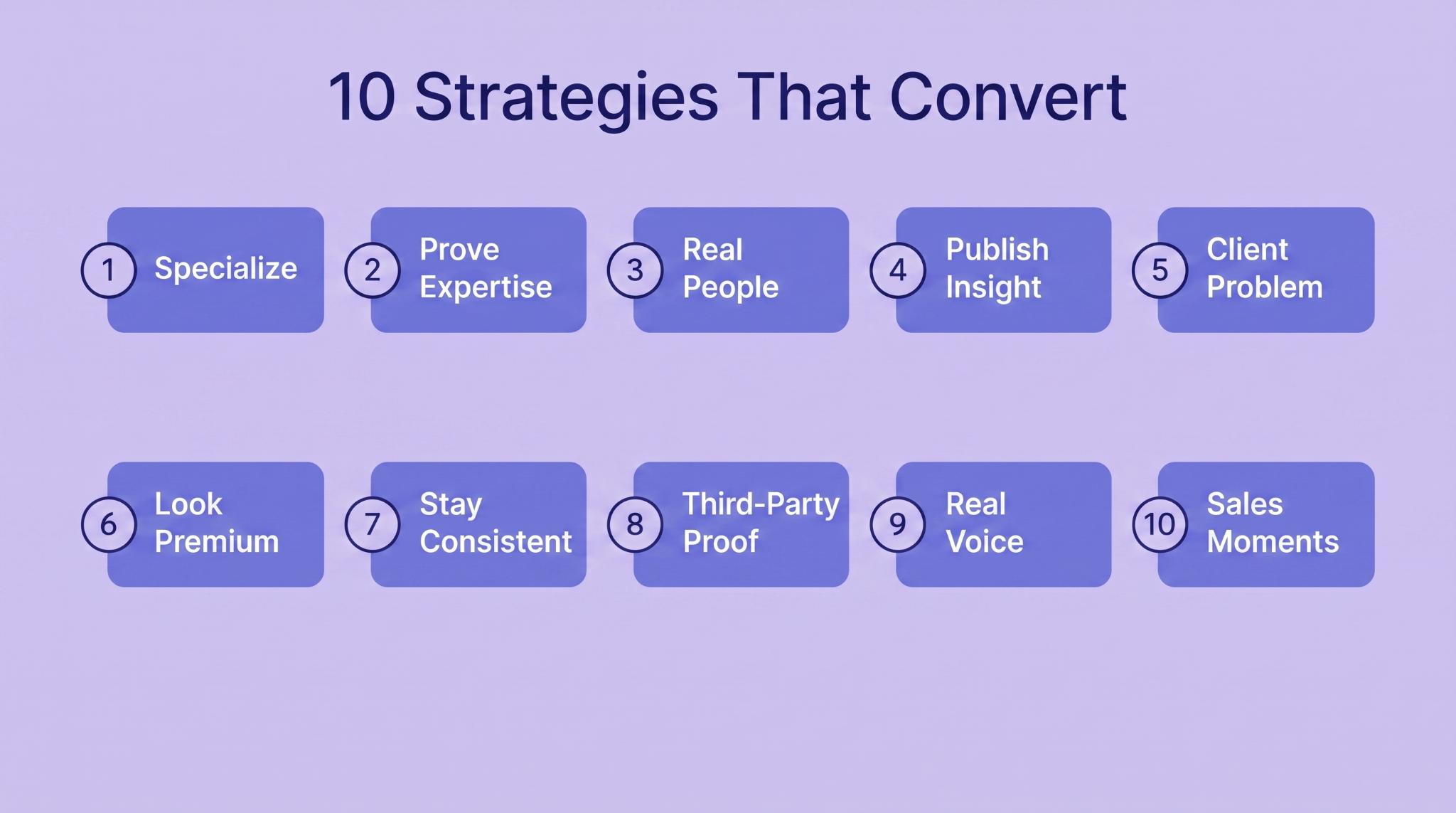
Right, this is the part that actually brings work in. Each brand strategy goes after a different weakness from above, so they add up instead of overlapping. Work through them roughly in order, and a forgettable firm slowly turns into the obvious pick.
Advertisment
Generalists are forgettable, almost on purpose. Claim you help everyone with everything, and you sound exactly like every other firm, giving nobody a reason to remember you. Narrowing down changes that. Become the obvious expert in one specific thing, and your target audience picks you without competing on price.
People give you the benefit of the doubt on competence, right up until something makes them wonder. And since expertise is invisible in services, you have to show it, not announce it. Telling people you are experienced goes nowhere when every rival says the same.
Proof of what you have actually pulled off is what makes the claim stick. A client feels it when the actual work turns up the same every time, and that comes down to how tightly you run your day-to-day time and workload. A strong brand let down by chaotic delivery fools nobody for long.
The people are the product in this business. Nobody hires a logo. They hire the humans who will do the actual work. Hiding your team behind stock photos and a faceless we is throwing away your strongest card. The people are the brand because they are literally the thing the client is paying for.
One trap snares a lot of service firms: copying the branding approach they see on every slick online store. Product sites have this down to a science, so it is tempting to just mimic them – the glossy hero shot and the wall of star ratings.
But a store sells a thing in a box, and you sell people. Borrow the wrong formula, and your firm starts to feel oddly hollow – polished but somehow forgettable, a brochure with no one behind it.
To understand it better, let’s take a nootropics brand like Mind Lab Pro. Its whole brand revolves around the product itself. The bottle stays front and center, and benefits are pinned to hard numbers. Every ingredient and dose is listed out, with lab certifications. For a pill, that product-first branding is exactly right.
Now move that same template onto legal services or a consultancy, and it stops working because there is no bottle to photograph. The thing your client is buying is the people. Copy the product model, all packaged tiers and faceless polish, and you erase the one thing that actually sells your firm.
So shift the emphasis. Where a product brand centers the product, a service brand centers the humans – the faces and the specific expert who will pick up the phone. Keep the polish and borrow the clean layout, but point all of it at your people, not at a product that does not exist.
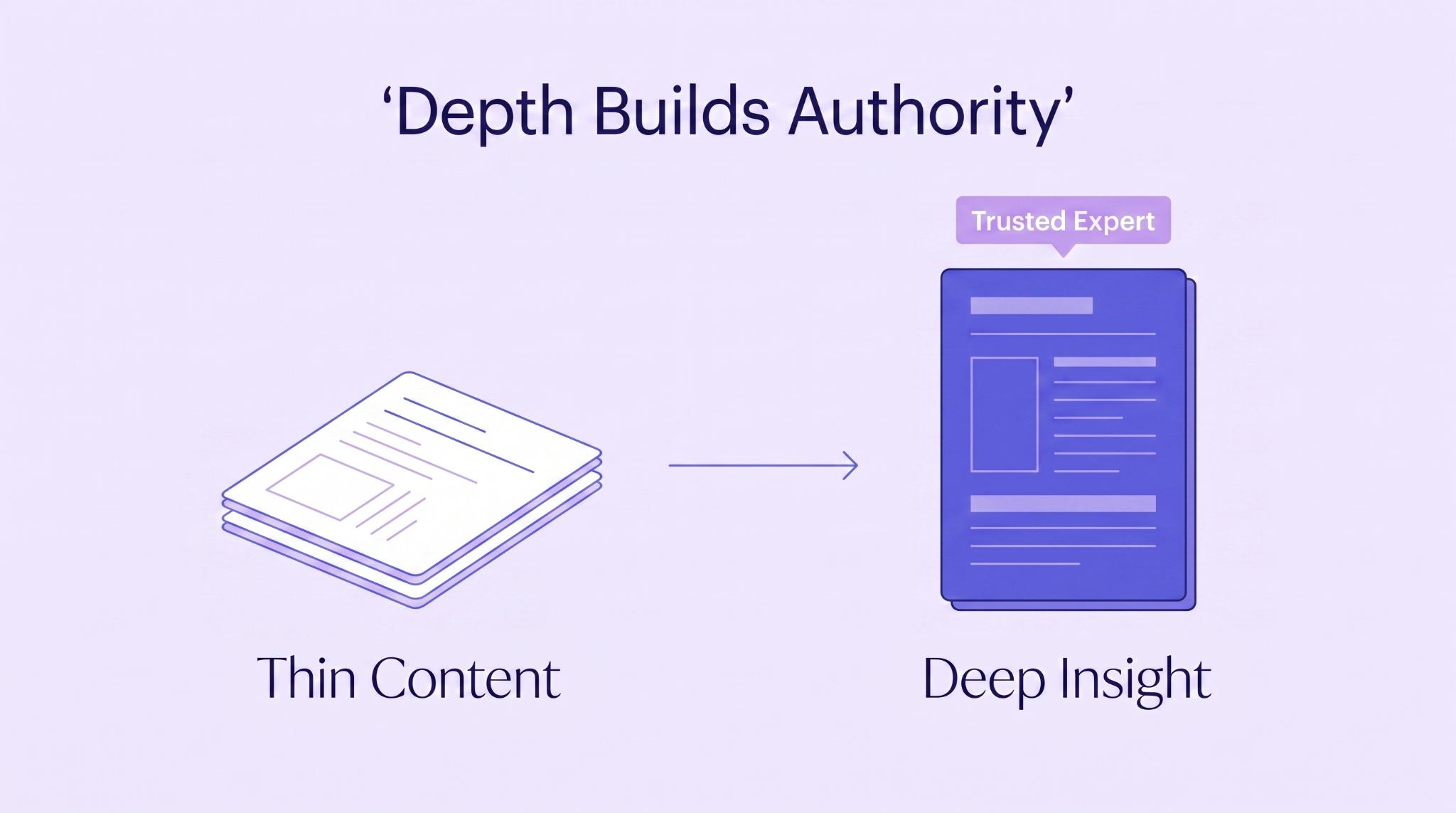
Anyone can say they are an expert. Publishing something genuinely sharp proves it out in the open. When a firm keeps sharing useful, specific thinking, people start treating it as the thought leader long before a sales call happens.
This is not blogging for clicks. The real value comes from letting buyers watch how you think, so they turn up already sold. In fact, 71% of B2B buyers say thought leadership convinces them more than traditional marketing when they are weighing up a firm. Done consistently, this kind of insight starts to gain traction long before someone is ready to hire you.
Here is what actually holds firms back, and it is not talent. It is nerve. Most professionals water down their best material because they fear giving away their expertise for free. So the writing comes out cautious and generic, and it convinces nobody. The more you hold back, the less expert you look.
It is easier to see when it is not your own field. Look at how a proper specialist writes up something obscure, like this thorough recipe template. The writer holds nothing back, from which glands to buy right down to the fiddly membrane you have to peel off first.
Nobody writes like that unless they genuinely do this for real. You finish reading, and you just believe them, without a single trust me anywhere. That is the whole trick. The specificity does the convincing, because a pretender would never know the small, annoying details that only come from doing the actual work.
Your thought leadership needs that same nerve. Take the questions your clients privately worry about and answer them properly, handing over the specific how your cautious competitors are too scared to share. Do that and a reader decides you are the real thing, long before you get anywhere near a call.
Advertisment
Most firms open by talking about themselves – their history and their fancy methodology. The client does not care yet. They showed up with a specific problem and one question: can you fix this? Name that problem back in their own words, and you become instantly relevant.
People judge your fees by how your brand looks, usually before reading a word. A dated, cheap-looking identity projects budget option, whatever the invoice says. Your visual identity signals your brand value people read without noticing. Want premium fees, and the brand has to look like it belongs up there, because the eye decides first.
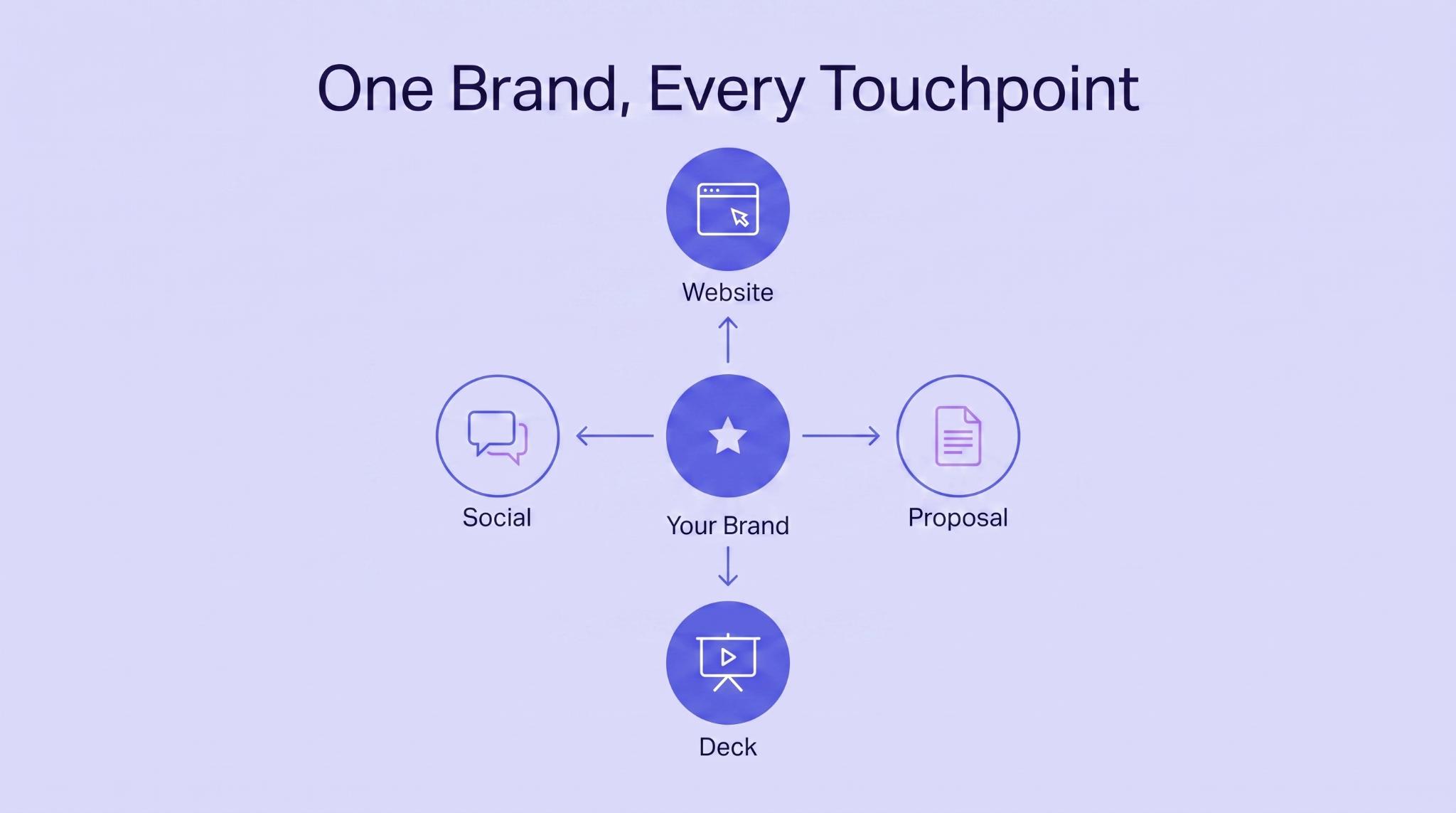
A brand that looks one way on the site and another in the proposal reads as careless, and careless is the last impression a client wants from a firm they are about to trust. Consistency is not about being rigid or boring. It is about showing up the same everywhere, so recognition builds instead of resetting each time.
It pays off, too. Showing up consistently across channels can boost revenue by up to 33%, mostly because people trust what they already recognize. So every touchpoint should make sure your brand reflects the same standards clients expect from your work.
Everything you say about yourself is marketing. What other people say about you is evidence, and evidence is what a nervous buyer actually leans on. Because hiring a firm is risky, they look for reassurance from past clients before committing.
Testimonials and referrals create a calming effect that your own words never can, since they come from someone with nothing to gain. When you use referrals as a system, they become a repeatable way of turning one happy client into several more.
Most firms fear saying anything a prospect might argue with. So they hedge everything and end up as beige corporate wallpaper. A real voice does the opposite. Plant a clear opinion, and you push away the wrong clients while pulling in the right ones. Being disagreed with is the cost of being remembered.
Most branding effort dies at the website, which is odd, because the website rarely closes anything. The proposal and the first call are where the work is genuinely won or lost. A brand that disappears the second a real conversation starts was never doing its job. It has to be loudest exactly where the decision gets made.
Advertisment
Enough theory. Here are three firms whose branding genuinely earns the work, each winning at a completely different game. Look at what they actually do, because the specifics are where the real lessons hide.
Cybersecurity marketing usually runs on fear. CyberProof’s MXDR solution deliberately does not. Their whole brand, right down to the tagline Better Security Together, is built to make an overwhelming problem feel calm and handled. Instead of shouting about hackers, they name the pain their buyer actually feels – overwhelmed by endless alerts. It is reassurance, not panic.
The credibility is borrowed, and borrowed brilliantly. The site is wallpapered with the logos of Microsoft and Google, plus analyst leader badges and hard numbers like a 90% jump in visibility. A quote from a recognizable CISO beats any adjective. Their deeper MXDR service page turns an abstract managed service into a named, structured thing a buyer can grasp.
What is worth copying is the restraint. They never pretend security is simple, and they never reach for scare tactics. They just make an intimidating, invisible service come across as something a competent grown-up has firmly under control. If your work frightens or confuses buyers, that calm and proof-heavy posture is the whole strategy.
Most injury-law branding screams, all billboards and 1-800 numbers. The team of truck accident lawyers at Finch McCranie built the opposite brand, and it works because of the contrast. Their headline calls them tried and true trial lawyers, courtroom people rather than settlement-mill people.
Then the numbers: over $500 million recovered, and a $40 million verdict they call the largest of its kind nationwide. The actual flex is the restraint. They state plainly that they do not advertise, and that clients arrive by referral from other lawyers rather than billboards.
In a category built on shouting, refusing to shout reads as confidence. It is backed by pedigree too, a former Deputy Attorney General and a former SEC director.
Even their focused pages carry that same calm certainty instead of desperation. The thing to borrow is the contrast: when everyone in your field is loud, quiet and specific becomes the loudest signal in the room. Proof plus restraint beats sheer volume, every single time.
weCreate could have been just another marketing agency. Instead, it went almost absurdly narrow, branding itself purely as the agency for manufacturers. Their tagline says exactly who they help and what they do, and the whole site speaks to eight specific manufacturing niches, from machine shops to aerospace suppliers. A generalist could never sound this sure of itself.
The clever part is the voice. They promise no uncertainty and no learning curve. To an industrial buyer tired of agencies that do not get it, that is instantly disarming. They back it with revenue-shaped proof, a 400% traffic jump and a wall of industry logos.
The lesson here is nerve: pick one niche and speak its exact dialect so fluently that the right buyer feels read on sight, and the wrong one just clicks away elsewhere.
Advertisment
If one idea ties all of this together, professional services branding is really just trust, engineered on purpose. You are not decorating a firm. You are lining up reasons for a cautious buyer to believe you before they could possibly know for sure. Pull that off and the pitch is half-won before it even begins.
This is the part I care about most at Zeka Design. I have built brand identities for firms that need to look as credible as they genuinely are, turning research into visual systems that earn trust on sight. If your brand is not doing that job yet, get in touch with me.
Advertisment
Pin it for later!

If you found this post useful you might like to read these post about Graphic Design Inspiration.
Advertisment
If you like this post share it on your social media!
Advertisment





Want to make your Business Grow with Creative design?
Advertisment
Advertisment