Children experience stories differently than adults. Before they can fully understand written language, they rely on illustrations to interpret emotions, actions, and ideas. When thoughtful artwork is paired with meaningful storytelling, books become powerful tools that spark curiosity, encourage creativity, and build a lifelong appreciation for learning.
For graphic designers, illustrators, and branding professionals, children’s books demonstrate how visual communication can shape understanding and create lasting emotional connections. Every color, character, and composition choice contributes to how young readers experience a story and engage with its message.
Advertisment
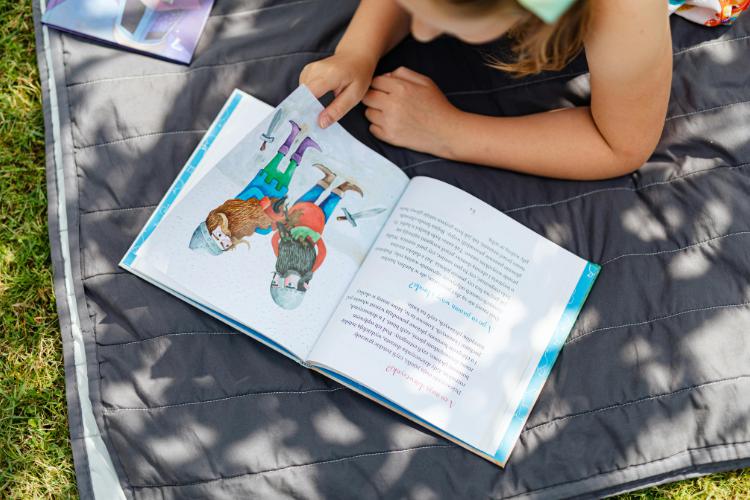
Young children naturally process visual information before they become fluent readers. Illustrations help them recognize patterns, understand sequences, and connect words with images. This process strengthens comprehension while making reading feel enjoyable rather than intimidating.
Visual storytelling also allows children to interpret emotions through facial expressions, body language, and environmental details. Even before reading every word, they can understand the excitement of an adventure, the comfort of friendship, or the tension of solving a problem.
One of the greatest strengths of illustration is its ability to make stories emotionally memorable. Children often remember the expressions on a character’s face or the vibrant scenery long after finishing a book. Those visual memories reinforce the lessons and themes presented throughout the story.
Illustrations also help children relate to fictional characters. When young readers see characters overcoming challenges, showing kindness, or discovering something new, they often imagine themselves in similar situations. This emotional engagement encourages empathy and confidence.
Design is not simply about creating attractive pages. In children’s publishing, effective design organizes information in ways that are easy to understand and enjoyable to explore. Typography, spacing, color palettes, and illustration placement all influence how comfortably children move through a book.
When these elements work together, even complex concepts become easier to understand. Educational books often introduce history, science, economics, or problem-solving through approachable visuals that remove unnecessary barriers to learning.
The best children’s stories inspire questions rather than simply providing answers. A child may wonder why a character made a certain decision, how an invention works, or what happened after the story ended. These questions become opportunities for deeper conversations and continued learning.
Illustrations often support this curiosity by including small visual details that reward careful observation. Hidden objects, expressive backgrounds, and symbolic imagery encourage children to revisit stories multiple times and discover something new with each reading.
Advertisment
Successful children’s books rarely rely on words or artwork alone. Authors and illustrators collaborate to create experiences where each element enhances the other. The text provides structure while the illustrations expand the story beyond what is written.
An illustrator may communicate humor, surprise, or personality without adding extra words. Likewise, a writer creates moments where illustrations can shine by leaving space for visual interpretation. This partnership results in richer, more engaging storytelling.
Children enjoy returning to characters they know and trust. Consistent illustration styles help establish recognizable personalities that make readers feel comfortable from one page to the next. Familiar visual identities strengthen emotional connections with the story.
Character design also supports comprehension. Clear expressions, distinctive clothing, and consistent visual cues allow children to easily follow conversations and actions, even when reading independently for the first time.
Every child learns differently. Some absorb information best through reading, while others benefit from pictures, diagrams, or visual examples. Well-designed children’s books combine multiple forms of communication to reach a wider range of learners.
Illustrations reinforce vocabulary by providing immediate context for unfamiliar words. They also help visual learners retain information more effectively because images create memorable mental associations with new concepts.
For parents and educators looking for engaging educational resources, Tuttle Twins books show how meaningful storytelling and thoughtful illustrations can work together to introduce important ideas in ways that are approachable for young readers. The combination of accessible writing and engaging visuals helps make learning feel like an enjoyable adventure rather than a lesson.
Every design decision influences how children interact with a book. Bright colors may create excitement, while softer palettes encourage calm reflection. Larger typography improves readability, and thoughtful page layouts guide the reader’s attention naturally through each scene.
White space is equally important. Giving illustrations room to breathe prevents visual overload and allows children to focus on key details without feeling overwhelmed. Good design quietly supports the reading experience without distracting from the story itself.
Children often extend stories beyond the final page through drawing, imaginative play, or creating their own adventures. Inspiring illustrations encourage this creative exploration by showing worlds that feel exciting yet believable. Every visual detail becomes a starting point for new ideas.
This creative response benefits both literacy and problem-solving skills. As children imagine alternative endings or invent new characters, they practice storytelling techniques while developing confidence in their own creative abilities.
From a design perspective, memorable illustrations also contribute to a book’s identity. Distinctive artistic styles help books stand out on crowded shelves while creating recognizable visual brands that readers remember over time.
Publishers and educational organizations benefit from maintaining consistent visual identities across multiple titles. When children recognize familiar illustration styles, they are more likely to feel comfortable exploring additional books within the same collection.
Illustrated books naturally invite shared reading experiences. Parents often point to pictures, ask questions about characters, or encourage children to predict what might happen next. These conversations strengthen both literacy skills and family relationships.
Shared reading also allows adults to explain ideas that children may not fully understand on their own. Illustrations provide helpful reference points that make these discussions more interactive and enjoyable for everyone involved.
As educational publishing continues to evolve, thoughtful illustration will remain an essential part of effective storytelling. Digital platforms may introduce interactive features, but the core principles of strong visual communication remain unchanged. Clear illustrations, purposeful layouts, and engaging narratives continue to help children build confidence as readers and learners.
Design professionals have an important role in shaping these experiences. Every carefully crafted illustration has the potential to inspire curiosity, encourage imagination, and create positive associations with reading that last well into adulthood.
Advertisment
Illustration and storytelling are most powerful when they work together with purpose. Compelling artwork draws children into a story, while meaningful narratives keep them engaged and encourage them to ask questions, think critically, and imagine new possibilities. For designers, educators, authors, and parents alike, thoughtfully created children’s books demonstrate how visual communication can inspire curiosity and nurture a lifelong love of learning.
Advertisment
Pin it for later!
If you found this post useful you might like to read these post about Graphic Design Inspiration.
Advertisment
If you like this post share it on your social media!
Advertisment






Want to make your Business Grow with Creative design?
Advertisment
Advertisment