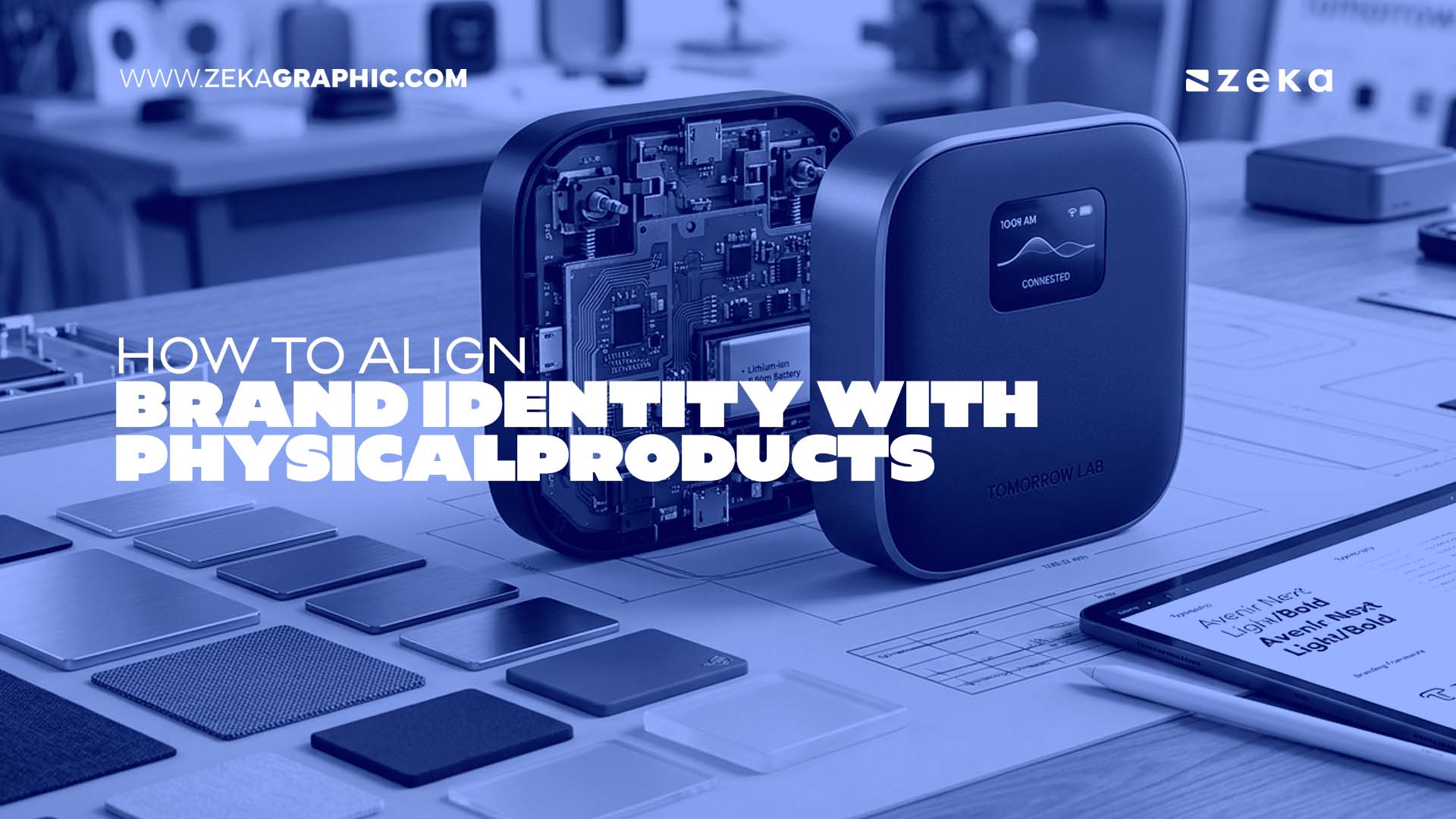
A beautiful digital interface cannot save a physical product that feels cheap, confusing, or completely disconnected from the brand story, especially when you’re entering a $30 trillion market. When a customer unboxes a new hardware device, their tactile interaction with the material must match the emotional promise made by marketing campaigns. True brand alignment requires translating abstract corporate values into concrete engineering choices, from the specific texture of an injection-molded plastic casing to the precise weight distribution of a handheld device.
Many hardware startups struggle during this critical transition phase because creative brand agencies and industrial engineering teams speak fundamentally different professional languages. A brand designer might describe an ideal product experience as elegant or disruptive, while an engineer needs exact millimeter tolerances, draft angles, and specific polycarbonate blends to begin production. Bridging this gap requires a structural framework that maps brand identity directly to the physical reality of hardware development.
Advertisment
To create a cohesive physical presence, product teams use a structured system, known as a Visual Design Language, to translate core brand attributes into specific geometric forms and material finishes. A brand that prides itself on sustainability might opt for raw, unpainted, post-consumer-recycled plastics and exposed mechanical fasteners that suggest ease of repair. Conversely, a premium luxury brand might lean heavily on seamless anodized aluminum enclosures and hidden seams to convey an elite sense of security and precision.
The physical execution relies on careful management of Color, Material, and Finish specifications alongside digital user interface touchpoints. This cross-disciplinary coordination ensures that a notification light flashing on a physical bezel perfectly mirrors the software’s on-screen animation rhythm and color temperature. Aligning these disparate elements requires product teams to formalize their collaborative workflows and establish a single source of truth across engineering and creative departments.
When developing complex consumer devices, top product teams rely on a research-through-prototyping process to discover and execute these physical brand connections. This methodology utilizes iterative physical models to test how brand narratives feel in a user’s hand before committing millions of dollars to manufacturing tooling. Industrial design studios use these tangible models to evaluate how effectively a physical form factor communicates the underlying brand ethos.
The most effective tool for maintaining continuity between abstract brand identity and physical hardware is a translation grid. This matrix explicitly connects emotional brand pillars to specific manufacturing requirements, on-device typography, and iconography rules. For example, a brand value defined as approachable might translate into a physical specification of large-radius corners, a warm CMF palette, and a custom sans-serif font laser-etched onto the rear IO panel.
To implement this successfully, teams establish clear parameters for how brand assets behave on physical surfaces. This process dictates exactly how logos are debossed, how regulatory text is arranged, and how physical buttons actuate to ensure the tactical feedback matches customer expectations. The entire workflow operates smoothly when corporate leaders leverage specialized engineering expertise to turn these design grids into scalable, market-ready consumer electronics.
When bringing complex physical hardware to life, partnering with a dedicated product development studio like Tomorrow Lab ensures that your brand identity remains intact from the initial sketch through final mass production. Expert engineering teams can transform a translation grid into precise physical architecture without losing the emotional core of the original design concept.
Establishing these rigorous standards prevents fragmented user experiences in which the physical product appears to have been designed by a company entirely different from the software application. The goal is to build a singular, unified ecosystem where every touchpoint feels deliberate, high-quality, and deeply authentic to the brand mission.
To ensure the hardware and software teams remain perfectly aligned throughout development, use the following framework to guide your product handoff meetings:
There are millions of consumer products launched every day that fail simply because their physical execution contradicts their marketing message. When a device claims to be rugged but has thin, brittle plastic buttons that rattle when touched, consumers immediately lose trust in the brand. You must test your hardware prototypes with actual users to confirm that the physical textures, weights, and sounds evoke the exact emotional responses your brand intends to deliver.
User testing for physical hardware requires a different approach than traditional digital A-B testing or software analytics. Researchers gather qualitative feedback on the perceived quality of materials, the intuitiveness of physical iconography, and the acoustic profile of mechanical switches. A click that sounds too sharp might feel cheap to a user, whereas a dampened, lower-frequency click often communicates premium engineering and durability.
Refining these physical details based on user feedback ensures that the final product feels satisfyingly complete and premium. By systematically testing your hardware prototypes against your brand guidelines, you can launch a product that looks beautiful on a shelf and delivers a deeply cohesive user experience in the hand. For more insights into modern design principles, explore the other posts on our site.
Advertisment
Aligning brand identity with physical products is about more than applying a logo to a device or matching colors across platforms. Every material choice, surface finish, button click, and physical interaction contributes to how customers perceive your brand in the real world.
The most successful products translate abstract brand values into tangible experiences that users can see, touch, and feel. By creating clear design systems, establishing strong collaboration between creative and engineering teams, and validating decisions through real-world testing, companies can ensure that their physical products reinforce the same message communicated through their marketing and digital experiences.
When hardware, software, and brand identity work together seamlessly, the result is a more cohesive customer experience, stronger brand recognition, and greater trust. Ultimately, the goal is simple: every interaction with the product should feel like a natural extension of the brand itself.
Advertisment
Pin it for later!
If you found this post useful you might like to read these post about Graphic Design Inspiration.
Advertisment
If you like this post share it on your social media!
Advertisment




Want to make your Business Grow with Creative design?
Advertisment
Advertisment