Taking calls from clients can feel intimidating when you work independently. Managing incoming requests, establishing boundaries, and communicating project details require practice and structure. Many designers struggle to keep conversations productive and protect their focus time.
Building a solid call workflow transforms chaotic client interactions into smooth professional relationships. Clear communication early in a project sets proper expectations for everyone involved.
Advertisment
Solopreneurs often struggle to field incoming inquiries during active project sprints. Professional solutions like Virtual Receptionist Services assist independent creators in managing phone inquiries without breaking workflow concentration. External phone support keeps project communication organized and protects focus time.
Establishing clear availability prevents clients from expecting round-the-clock telephone access. Communicating preferred contact methods during initial contact sets boundaries early. Design professionals maintain creative momentum when call schedules remain structured.
Outsourcing call management has become a standard approach for small operations seeking efficiency. Market research indicated that demand for remote call handling reached $3.85 billion in 2024. Small enterprise surveys revealed that 40% of small businesses rely on outsourced receptionists to handle customer inquiries and scheduling.
Delegating phone coverage allows creators to devote full attention to complex design tasks. Remote administrative support maintains professional responsiveness without requiring full-time internal staff. Clients receive immediate assistance, improving project satisfaction.
Professional call handling creates a dependable first impression for potential clients. Solopreneurs save valuable energy when routine phone questions receive standard answers. Standardized responses build confidence during early-stage business conversations.
Constant phone calls and video meetings drain mental energy quickly during busy work weeks. Research on independent workers found that 45% of freelancers experienced worsening mental health during 2024. Managing phone schedules carefully helps maintain emotional well-being and daily productivity.
Designers are turning to modern tools to streamline client communication and daily administrative tasks. Industry data showed that freelancers are 2.2x more likely to use artificial intelligence than traditional workers. Automated tools help handle repetitive administrative questions before a call starts.
Advertisment
Onboarding calls set the tone for the entire creative relationship with a client. Having a structured list of questions keeps the conversation focused on key design requirements. Clear agendas prevent calls from drifting into unstructured brainstorming sessions.
Clients often seek specialized assistance when hiring external creative and administrative partners. Industry trends indicate that 60% of businesses prefer specialized assistants over generic support services. Matching specialized expertise with clear onboarding questions builds immediate trust with new clients.
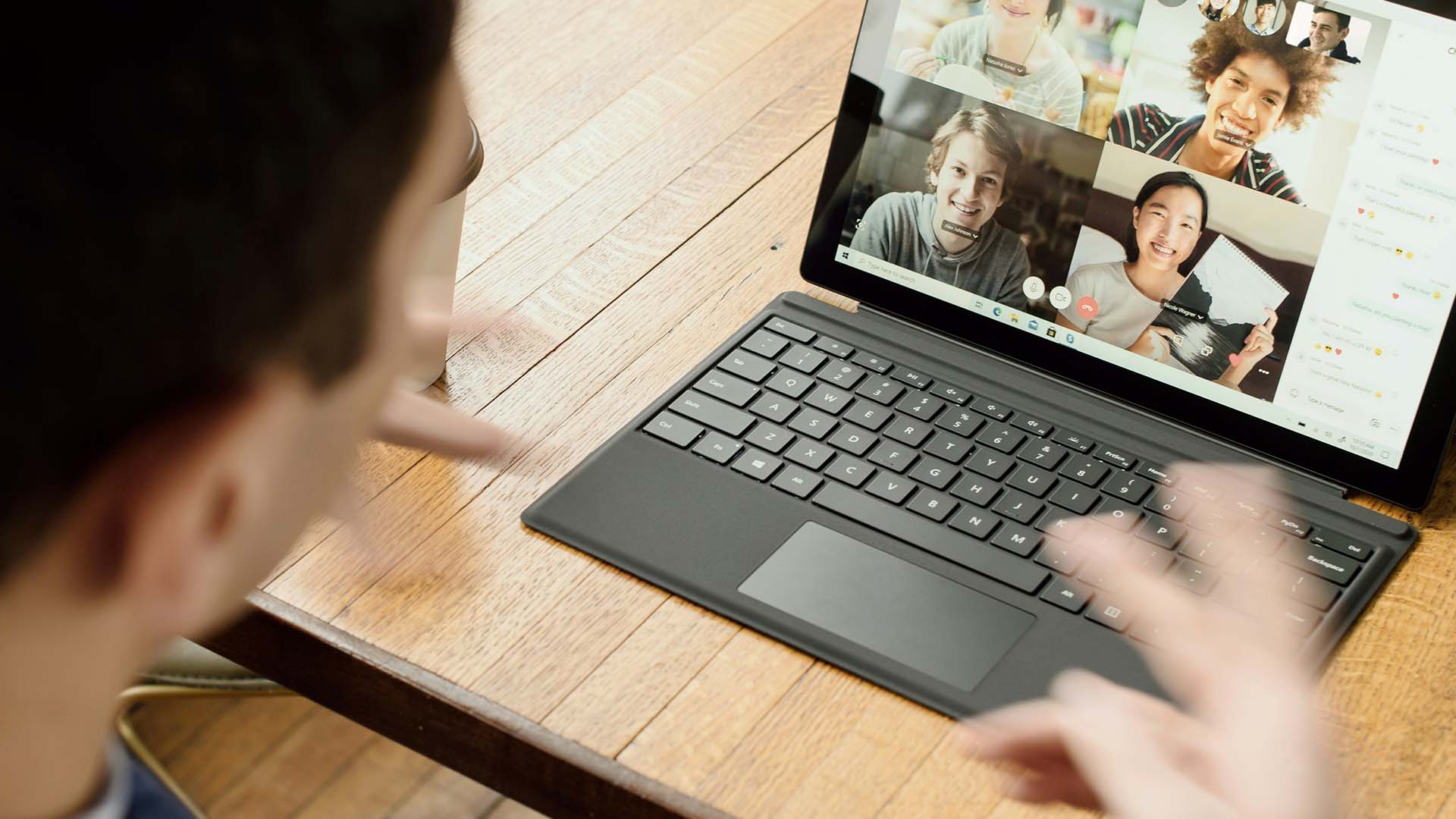
Sending a brief outline 24 hours before the call helps clients gather necessary brand assets. Prepared clients provide clearer answers and speed up project kickoffs.
Clients frequently expect rapid responses when reaching out through digital channels. Digital chat tools allow design businesses to capture inquiries without dropping ongoing project tasks. Maintaining open communication channels helps convert website visitors into active clients.
Real-time web communication tools have grown into a massive category for small businesses. Market analysis showed that web chat services reached $5.09 billion in 2025. Integrating chat tools alongside phone scheduling offers clients multiple ways to connect.
Verbal agreements during phone calls can lead to misunderstandings if left undocumented. A design industry article pointed out that clients frequently forget key details discussed during live calls. Sending a quick written recap creates an explicit paper trail for project scopes.
A thorough post-call summary message should contain specific elements to protect both parties. Key components include:
Documenting decisions prevents scope creep and keeps projects moving forward on schedule. Clear post-call notes eliminate confusion regarding budget adjustments or design direction.
Unrestricted call access can derail project timelines and extend working hours unexpectedly. Design professionals succeed by establishing specific communication windows in project contracts. Setting expectations early protects dedicated design time and prevents burnout.
Directing clients to weekly status calls reduces daily messaging interruptions significantly. Clients feel reassured when they know exact times for project updates. Structured updates maintain momentum without interrupting creative output.
Setting clear communication boundaries helps freelancers maintain a healthy work-life balance. Design quality improves when creators enjoy uninterrupted periods of focused work.
Advertisment
Managing client calls effectively relies on clear boundaries, smart scheduling, and consistent documentation. Developing structured call workflows allows freelance designers to protect creative focus and provide exceptional service.
Implementing simple communication systems elevates client relationships and keeps design projects on track. Professional call handling builds long-term business sustainability and peace of mind.
Advertisment
Pin it for later!
If you found this post useful you might like to read these post about Graphic Design Inspiration.
Advertisment
If you like this post share it on your social media!
Advertisment





Want to make your Business Grow with Creative design?
Advertisment

Advertisment