This Post Contains Affiliate Links
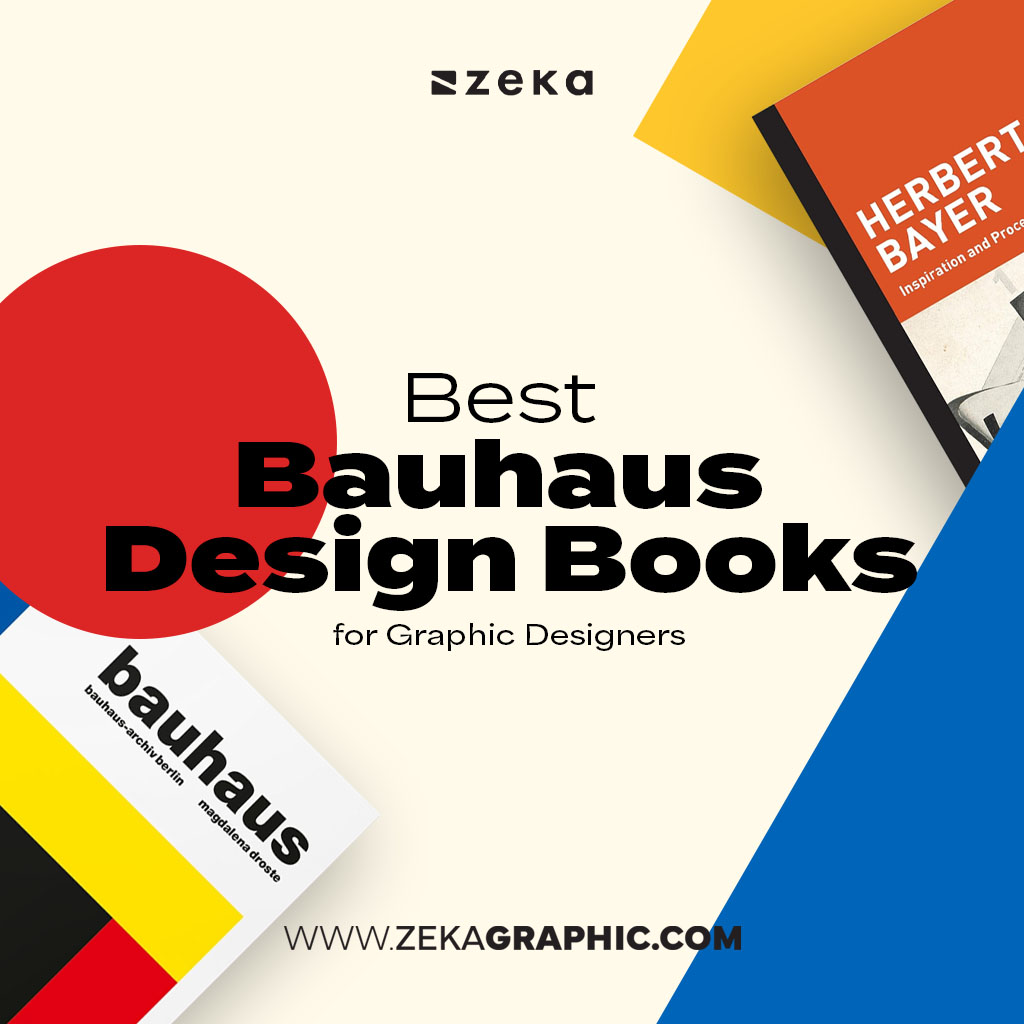
Few design movements shaped modern visual communication as profoundly as the Bauhaus. Its philosophy of functional minimalism, geometric clarity, structured typography, and intentional composition still defines branding, UI/UX, editorial layout, and product design today.
But here’s the thing:
Most designers only scratch the surface of what Bauhaus truly was.
To understand its ideas — form follows function, experimentation, color theory, workshop-based education — nothing beats reading the original books, teachings, and archives created by the movement’s masters. Books let you study not only the visuals, but the thinking behind them.
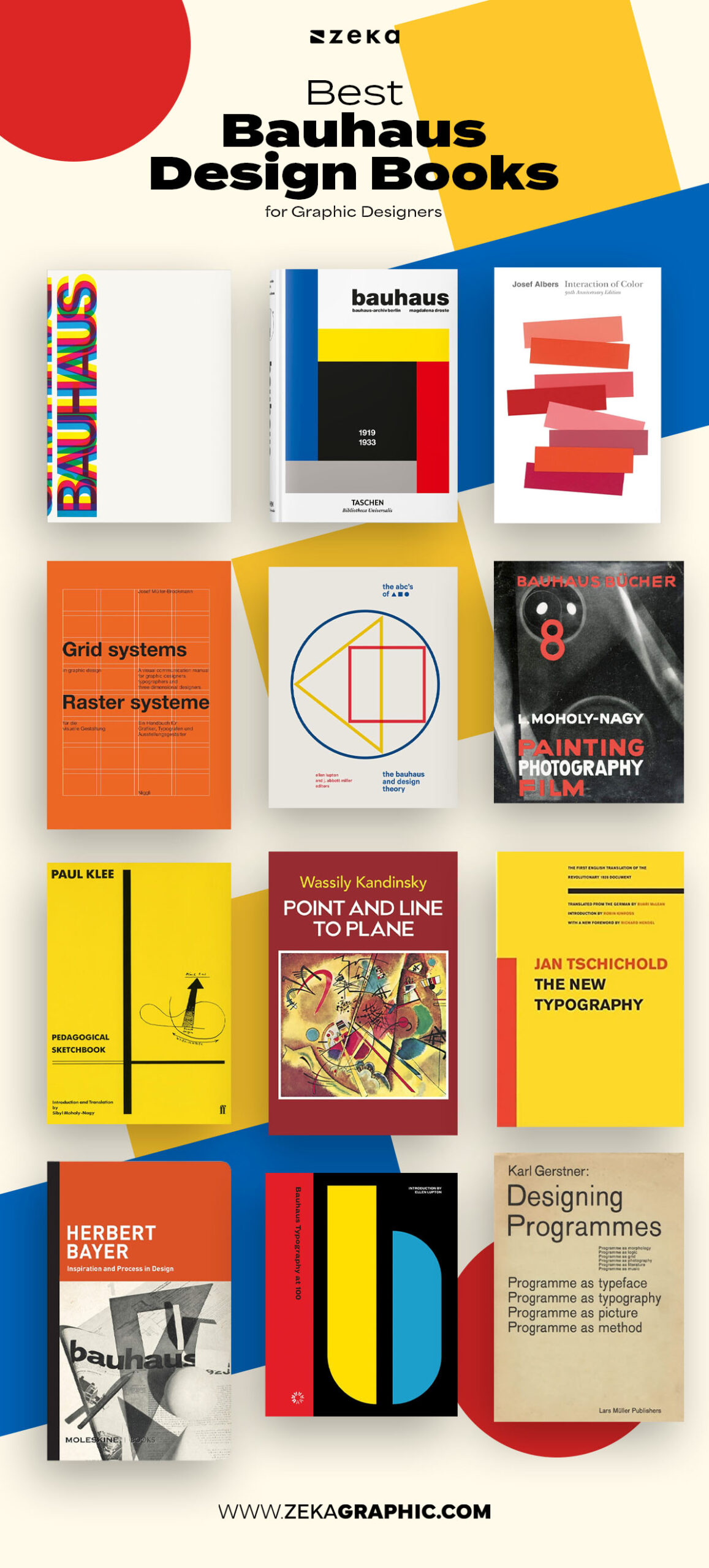
In this curated list of the best Bauhaus design books, I’ve selected titles that explore the movement from all perspectives:
As a designer myself, I know how transformative these lessons can be. The Bauhaus doesn’t just teach aesthetics — it trains your design eye, strengthens your creative intuition, and sharpens your decision-making on any project.
Advertisment
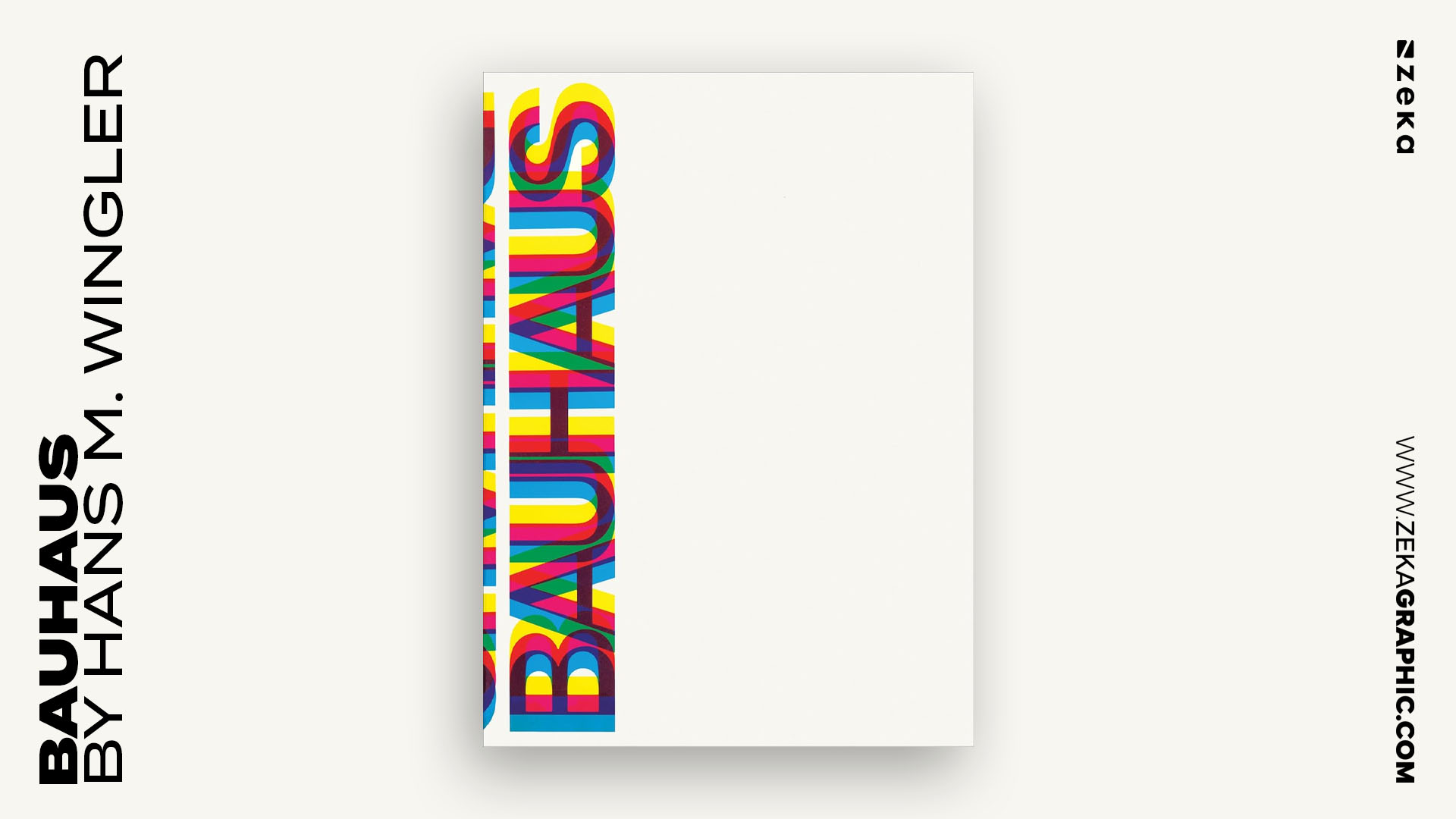
If you’re new to Bauhaus and want the best “all-in-one” reference, this is it. Hans M. Wingler’s “Bauhaus” is often considered the definitive historical source — a monumental volume that documents the school from its founding in Weimar to its forced closure in Berlin.
It details every workshop, key teachers, political influences, and design breakthroughs that shaped the school’s identity. Wingler masterfully connects the dots between architecture, typography, sculpture, product design, photography, and graphics, helping you understand just how deeply interconnected the school truly was.
It’s not a light read — but it’s essential.
If you want to understand Bauhaus at expert level, start here.
For graphic designers, this book clarifies:
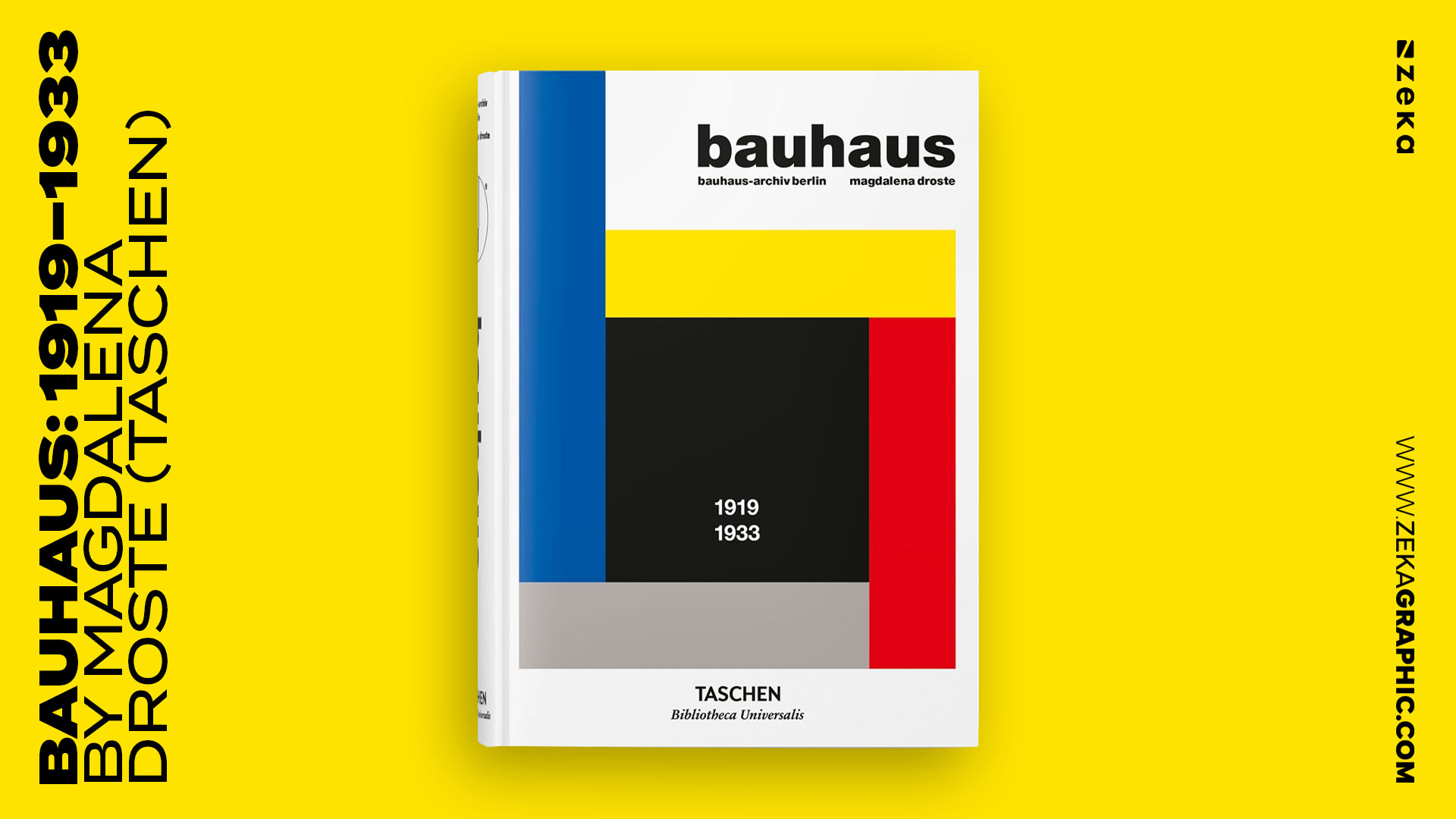
If Wingler is the academic pillar, Magdalena Droste’s “Bauhaus 1919–1933” is the beautifully accessible version — rich with visuals, photographs, diagrams, and design samples. As a graphic designer, this is one of the most enjoyable Bauhaus books you can own.
Published by Taschen, it combines historical narrative with high-quality reproductions of:
This book helps you see the Bauhaus in context. It visually explains how the style developed through each phase: Weimar, Dessau, and Berlin. It also highlights the contributions of Kandinsky, Klee, Moholy-Nagy, Schlemmer, and Gropius with clarity.
Designers love this book because it gives practical visual examples that you can apply to:
Advertisment
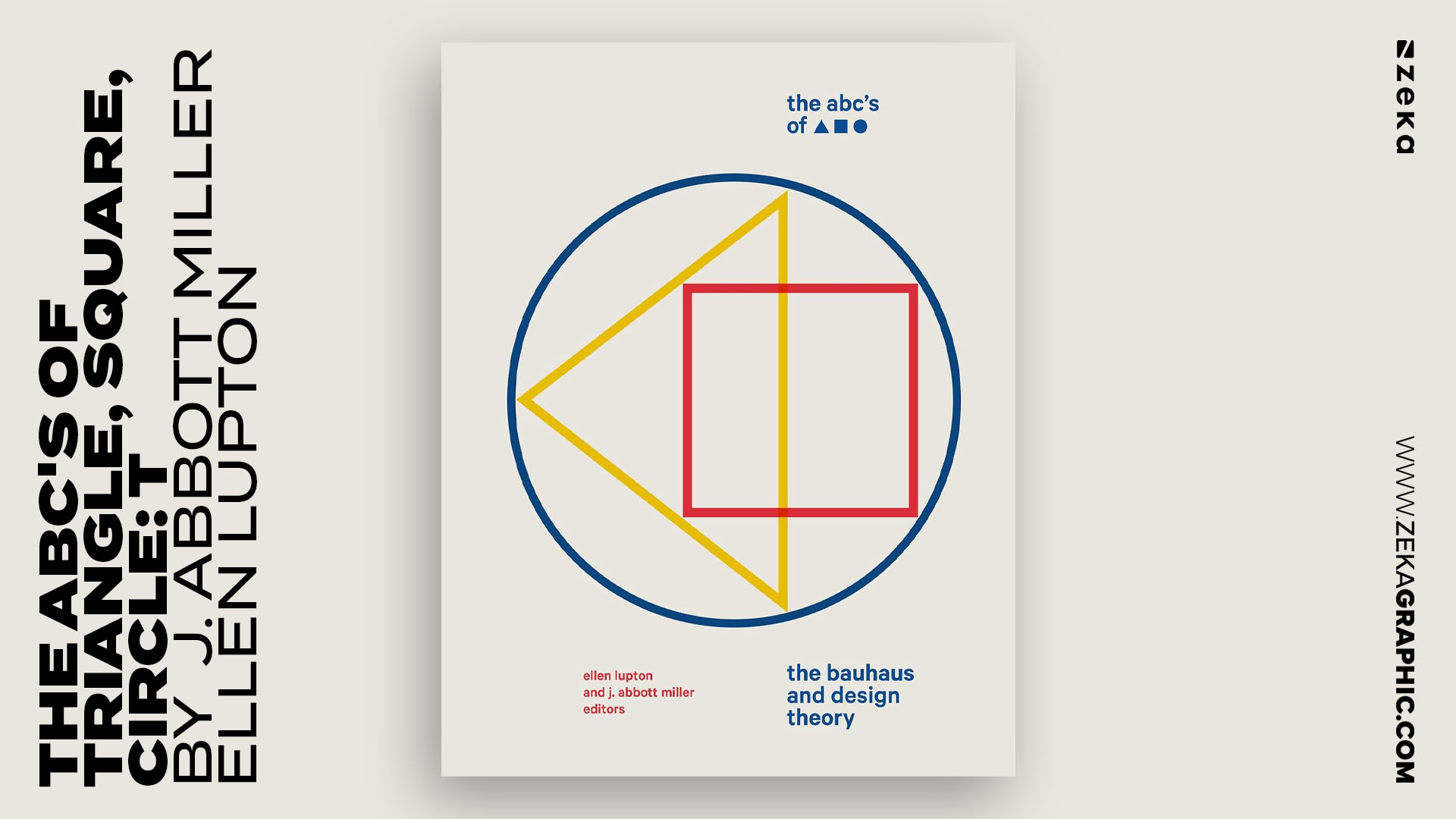
The ABC’s of Triangle, Square, Circle: The Bauhaus and Design Theory by J. Abbott Miller and Ellen Lupton is one of the clearest books for understanding how Bauhaus masters taught visual communication. Unlike historical overviews, this book dives deep into the logic behind Bauhaus design — the shapes, systems, and visual structures that still define modern creativity today.
For designers, this book is especially valuable because it connects theory to practice with clarity. You’ll immediately see how these ideas still influence branding, UI, editorial design, and motion graphics.
It also explores the iconic Vorkurs (Bauhaus foundation course), showing how students learned through play, experimentation, and structured problem-solving — a teaching model still used in top design schools worldwide.
The authors break down the core conceptual tools that shaped Bauhaus education, including:
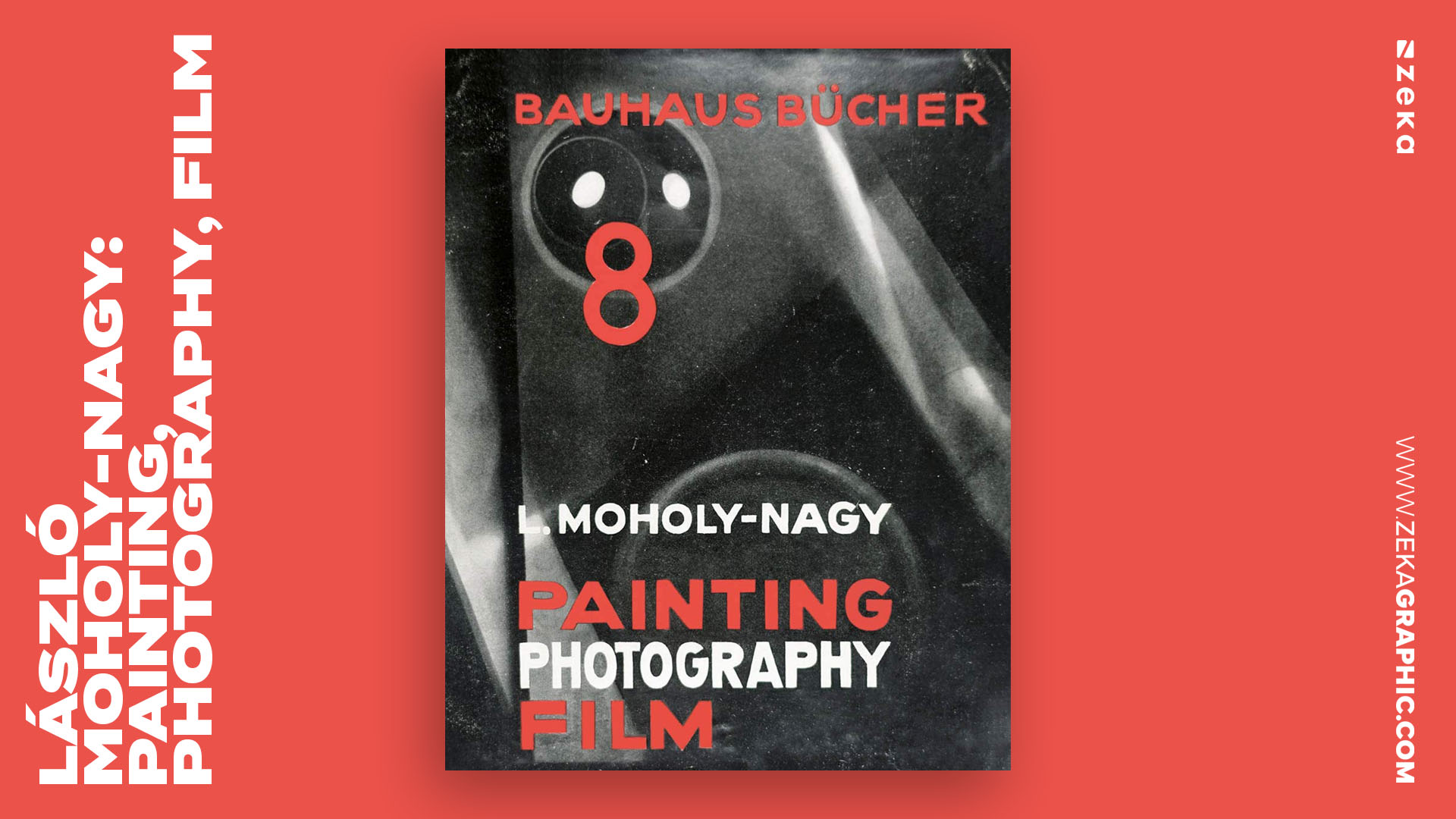
If you’re fascinated by experimental visuals, light, motion, and photography, Moholy-Nagy is the Bauhaus master you need to study.
His influence on modern graphic design is enormous — especially in motion graphics, dynamic layout, and conceptual composition. As a designer, reading this book gives you a powerful perspective on visual experimentation and how breaking rules can lead to timeless innovation.
Moholy-Nagy pushed the boundaries of what design could be, merging technology with expression.
If you want to spark your creativity or refresh your design thinking, this book is a catalyst.
This book is a deep dive into his groundbreaking work combining:
Advertisment
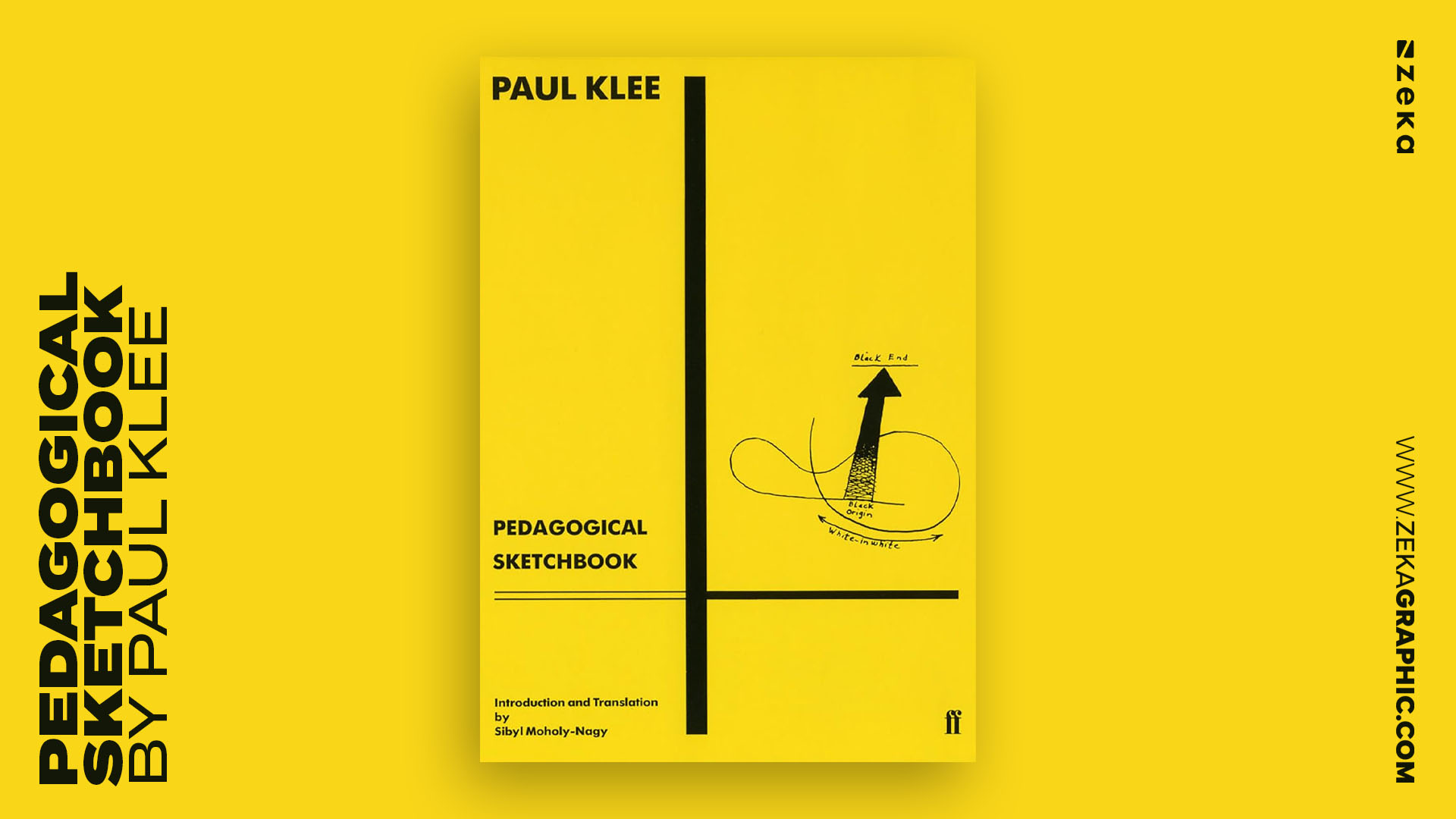
Paul Klee wasn’t just a painter — he was one of the most brilliant design thinkers of the 20th century. His “Pedagogical Sketchbook” is a compact yet profound guide on movement, rhythm, structure, balance, and the “mechanics” of a line.
It’s theoretical but highly intuitive, filled with diagrams and abstract sketches that form the foundation of modern design education. Klee’s approach is philosophical and artistic, yet still practical — a rare combination.
Reading this book helps you see your own layouts, logos, and illustrations through a more thoughtful and analytical lens.
If you’re a graphic designer, this book will completely rewire how you think about:
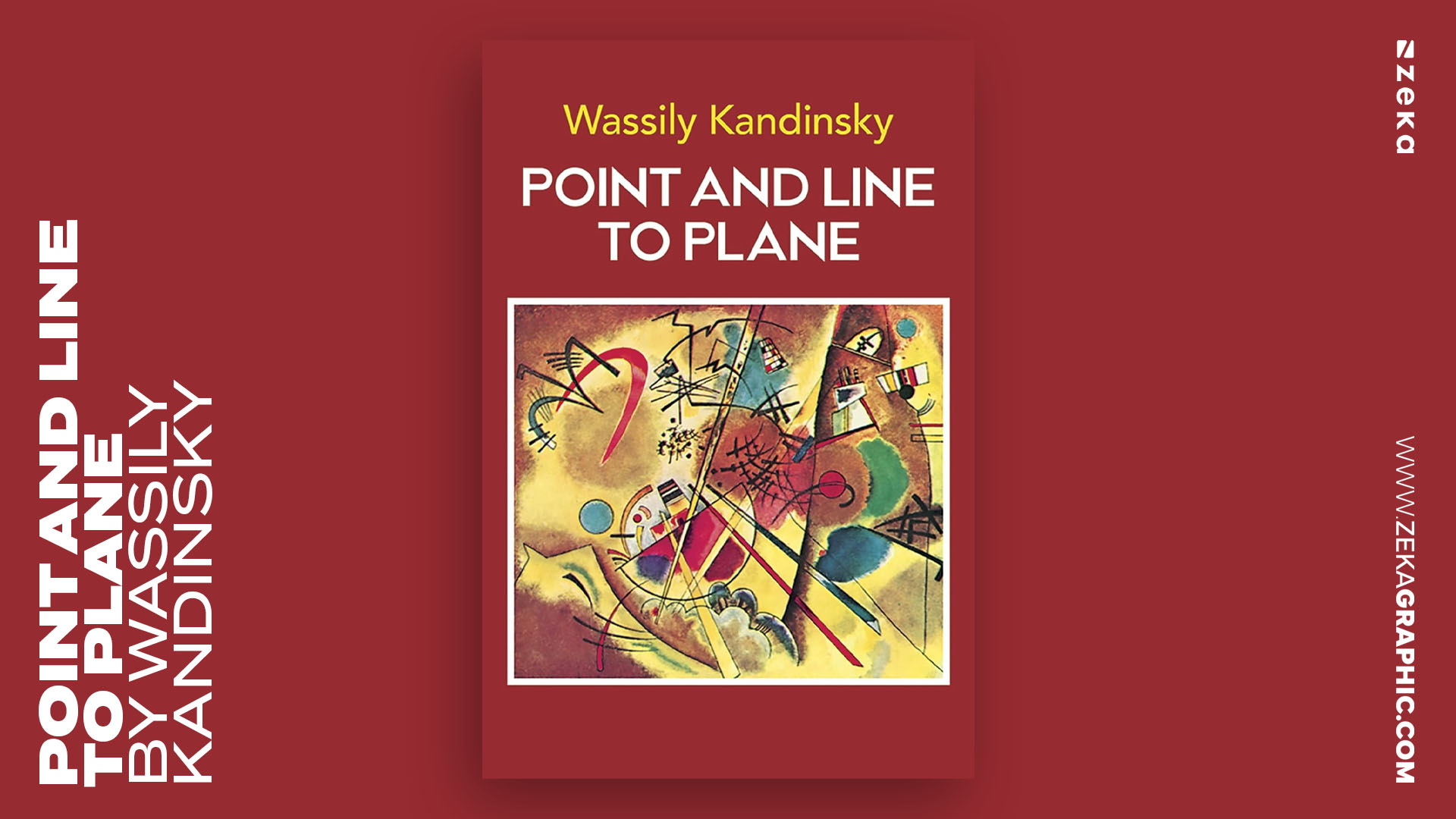
Wassily Kandinsky wasn’t just an abstract painter — he was a philosopher of visual form. “Point and Line to Plane” is his attempt to decode the emotional and structural power of the most basic design elements. If you want to understand how Bauhaus artists approached visual communication, this book is a treasure.
Kandinsky breaks down the symbolic, emotional, and spatial meaning of points, lines, angles, and the surfaces they create. He shows how simple shapes influence rhythm, tension, balance, and expressive intent. While philosophical, it’s surprisingly practical for designers working in branding, layout, and UI today.
It’s one of those rare texts that changes how you “feel” design, not just how you understand it.
Studying this book strengthens your sensitivity to:
Advertisment
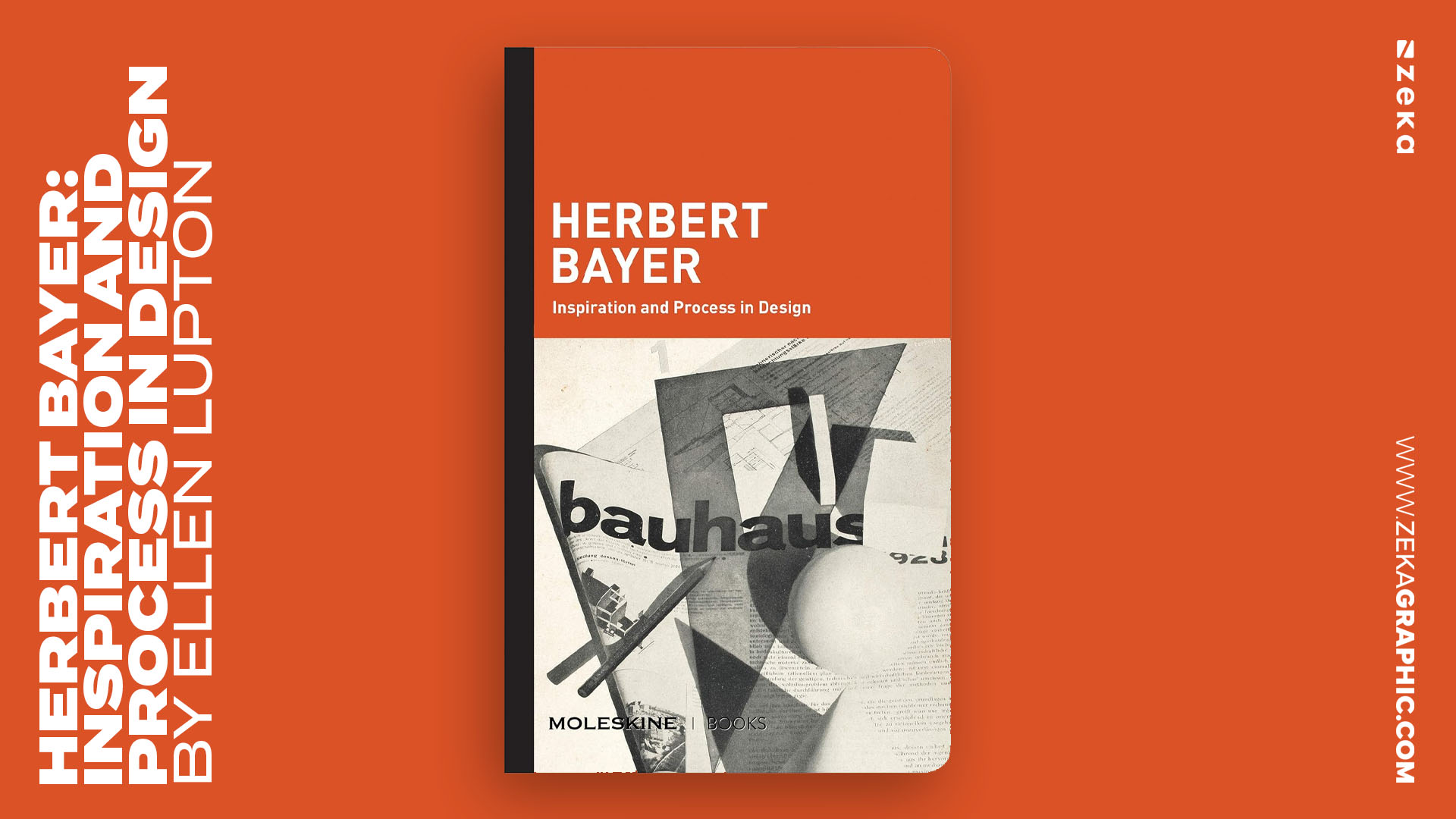
No Bauhaus reading list is complete without Herbert Bayer — the visionary behind the Universal Typeface and one of the most influential designers of the 20th century. Herbert Bayer: Inspiration and Process in Design by Ellen Lupton is the most accessible and designer-friendly introduction to his creative philosophy and methodology.
This book explores Bayer’s multidisciplinary approach, from typography and poster design to photography, advertising, and exhibition systems. Lupton breaks down how Bayer’s thinking shaped the foundations of modern visual communication, making his work essential study material for any contemporary designer.
What makes this book invaluable is how it connects Bayer’s Bauhaus roots to modern branding, layout, and type-driven design. If you’re a typography-focused creative, this title is a must-have.
You’ll discover how Bayer pioneered:
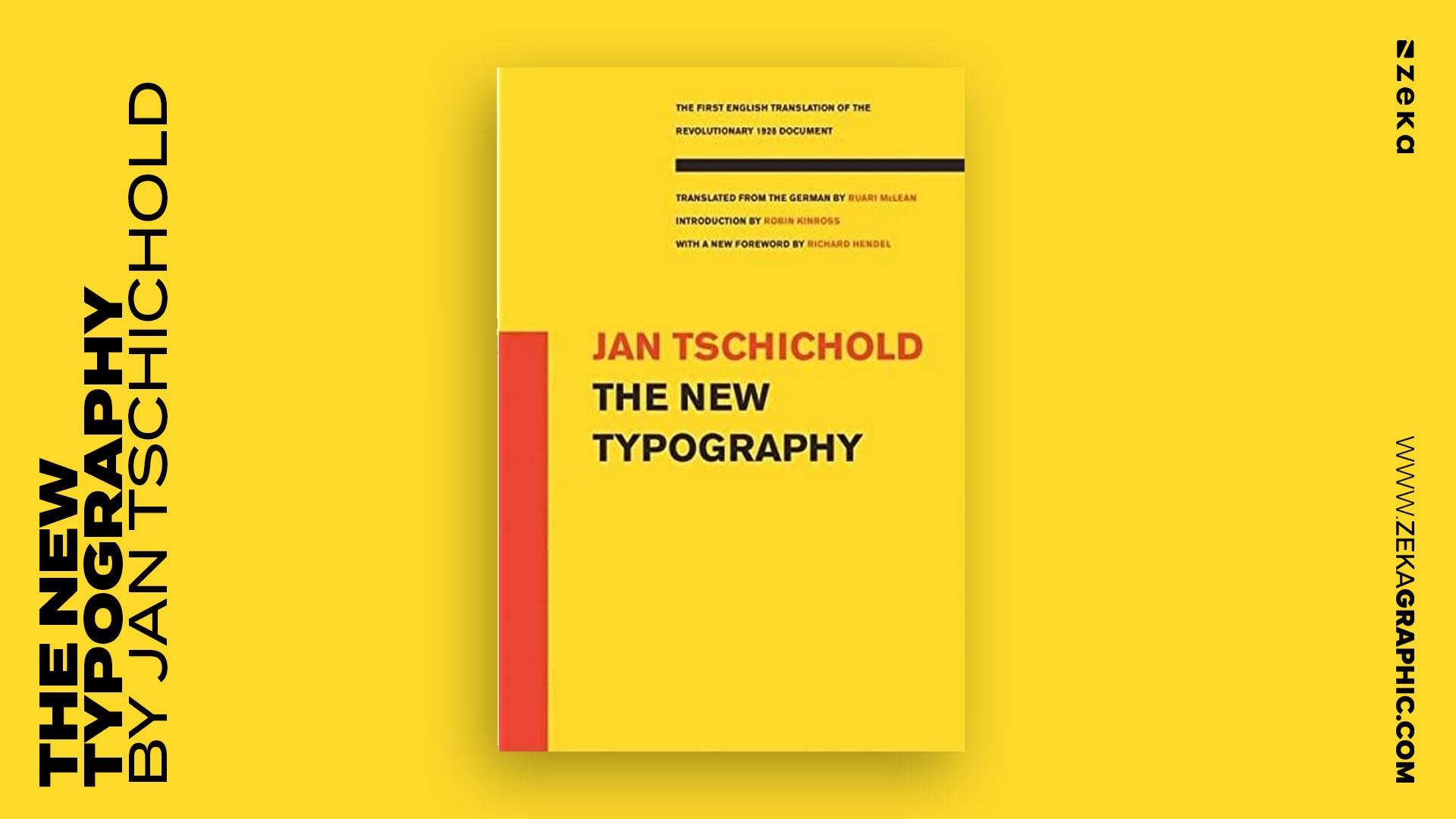
Even though Jan Tschichold wasn’t part of the Bauhaus school, his ideas were inseparable from the modernist wave it helped inaugurate. “The New Typography” is a design revolution distilled into one book.
Tschichold argues for clarity, order, and functional design — elements that align perfectly with Bauhaus thinking. Designers who read this book walk away with a sharper understanding of grids, spacing, readability, structure, and the purpose of typography itself.
If you love clean design, this book feels like a blueprint for everything we still do today.
You’ll gain insight into:
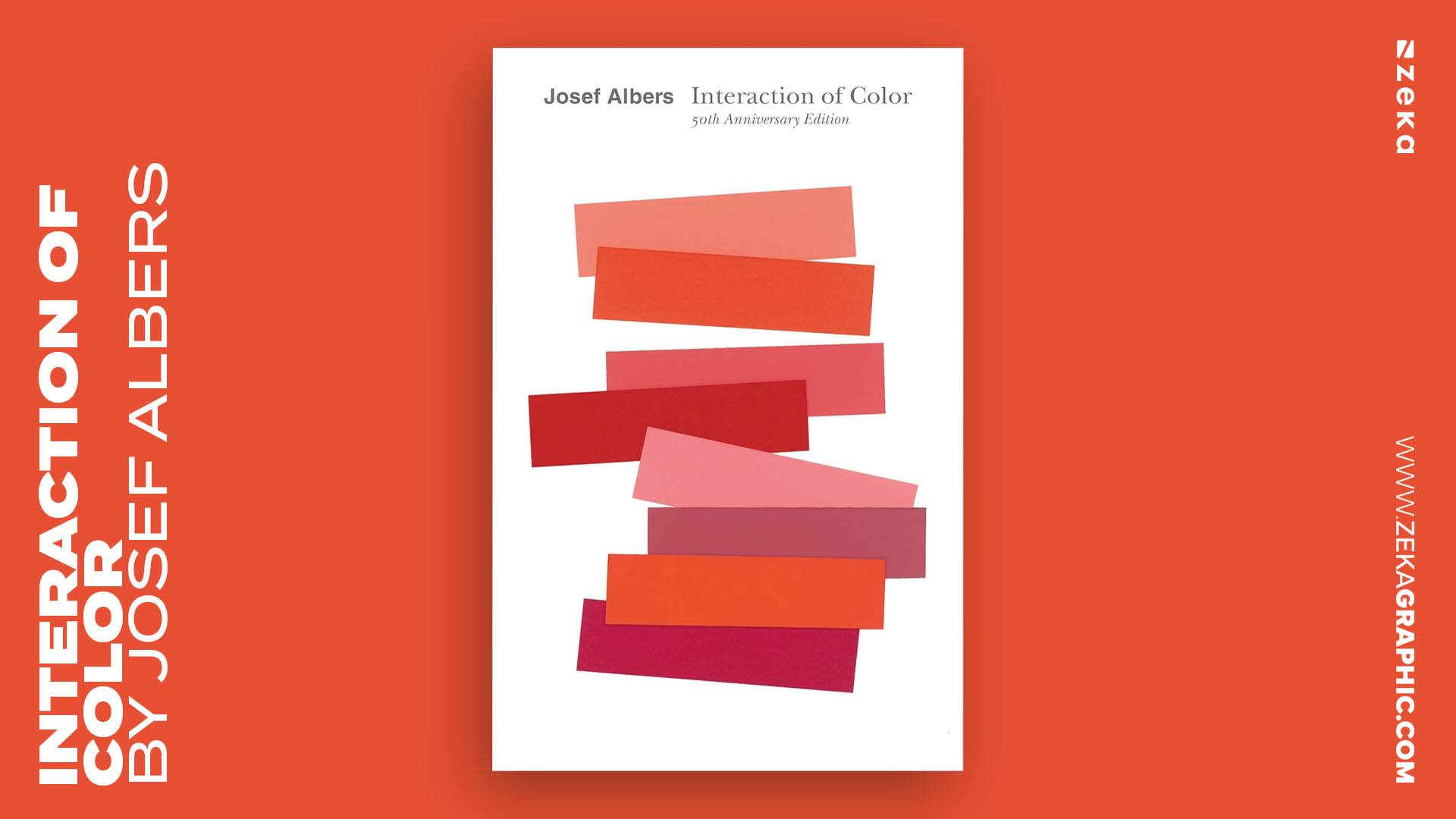
Josef Albers changed how the world understands color. “Interaction of Color” is more than a book — it’s a design education in itself. If you work with branding, UI, design systems, or illustration, this book will permanently upgrade the way you see and use color.
Albers teaches how colors interact, deceive, vibrate, and influence perception. His lessons help designers understand:
It’s one of the most influential design books ever written, and countless design schools still rely on it as core curriculum.
Albers teaches how colors interact, deceive, vibrate, and influence perception. His lessons help designers understand:
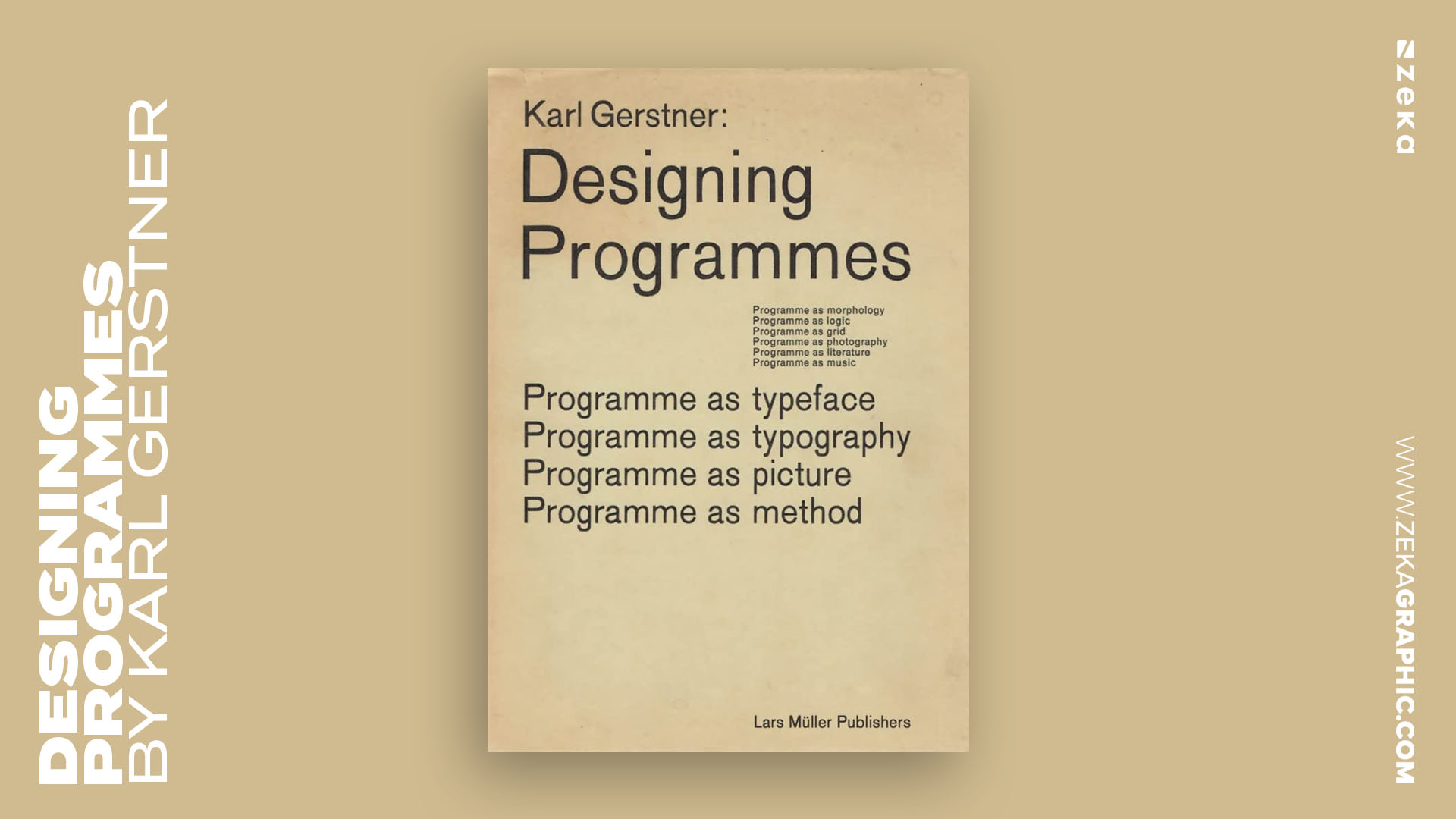
Karl Gerstner represents what happened after Bauhaus — the transformation of its principles into Swiss modernism. “Designing Programmes” is a must-read for designers who love structure, logic, and consistency.
Instead of designing individual layouts, Gerstner teaches us how to design systems: modular grids, generative rules, responsive frameworks, and structured approaches. It’s basically the philosophical origin of modern design systems and UI libraries.
If Bauhaus gave us the foundation, Gerstner gives us the operating system.
For graphic designers, this book sharpens your understanding of:
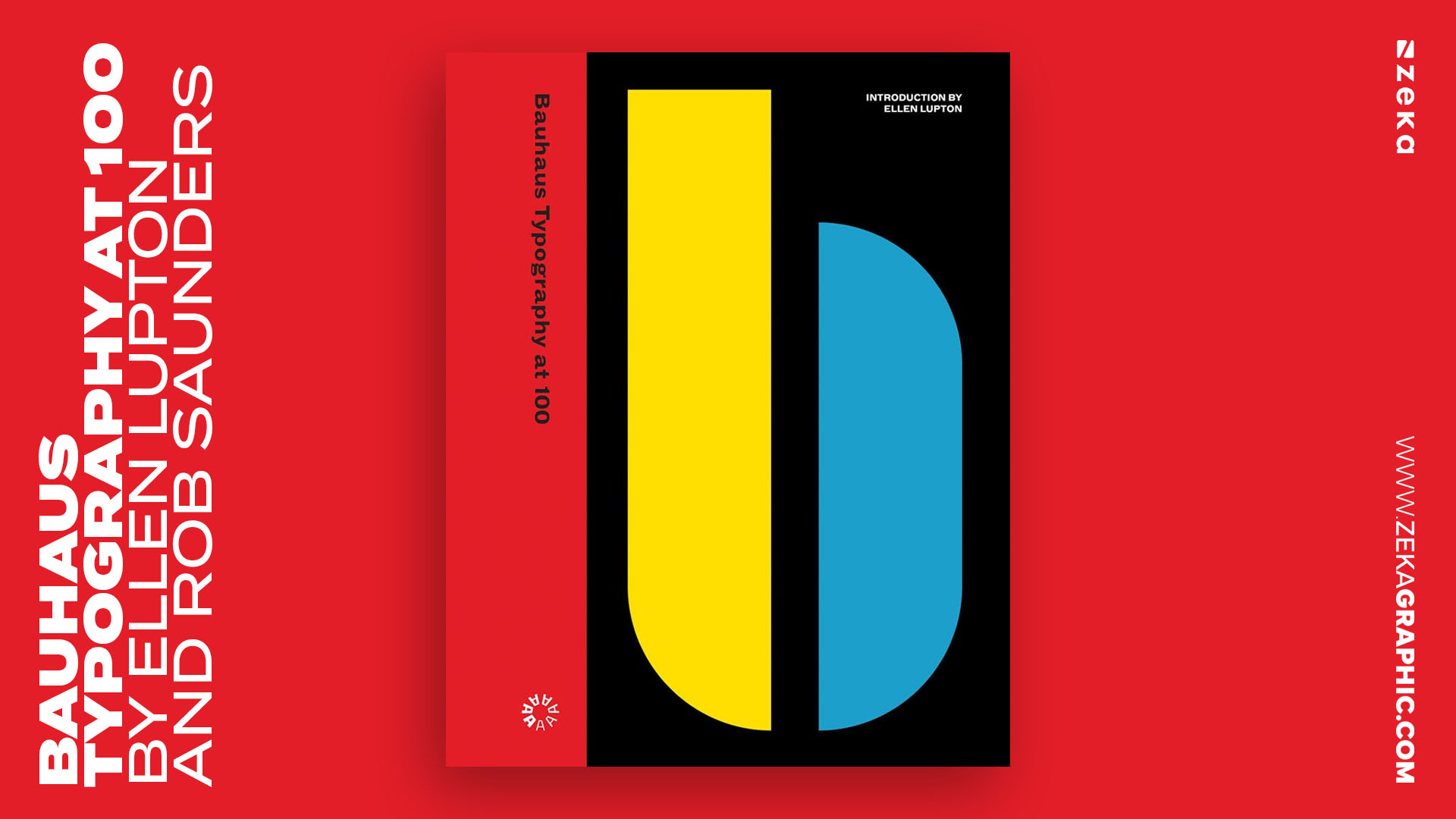
As Bauhaus typography turns 100, this book offers a fresh, modern perspective on the movement’s typographic legacy. “Bauhaus Typography at 100” is perfect for contemporary designers who want to understand how Bauhaus continues to influence digital interfaces, branding, and editorial layouts today.
It includes rare archival material, modern interpretation, essays from type historians, and breakdowns of iconic typefaces. For any designer specializing in type-driven work, this is one of the most relevant books on this list.
It’s historical, inspiring, and extremely practical.
You’ll explore:
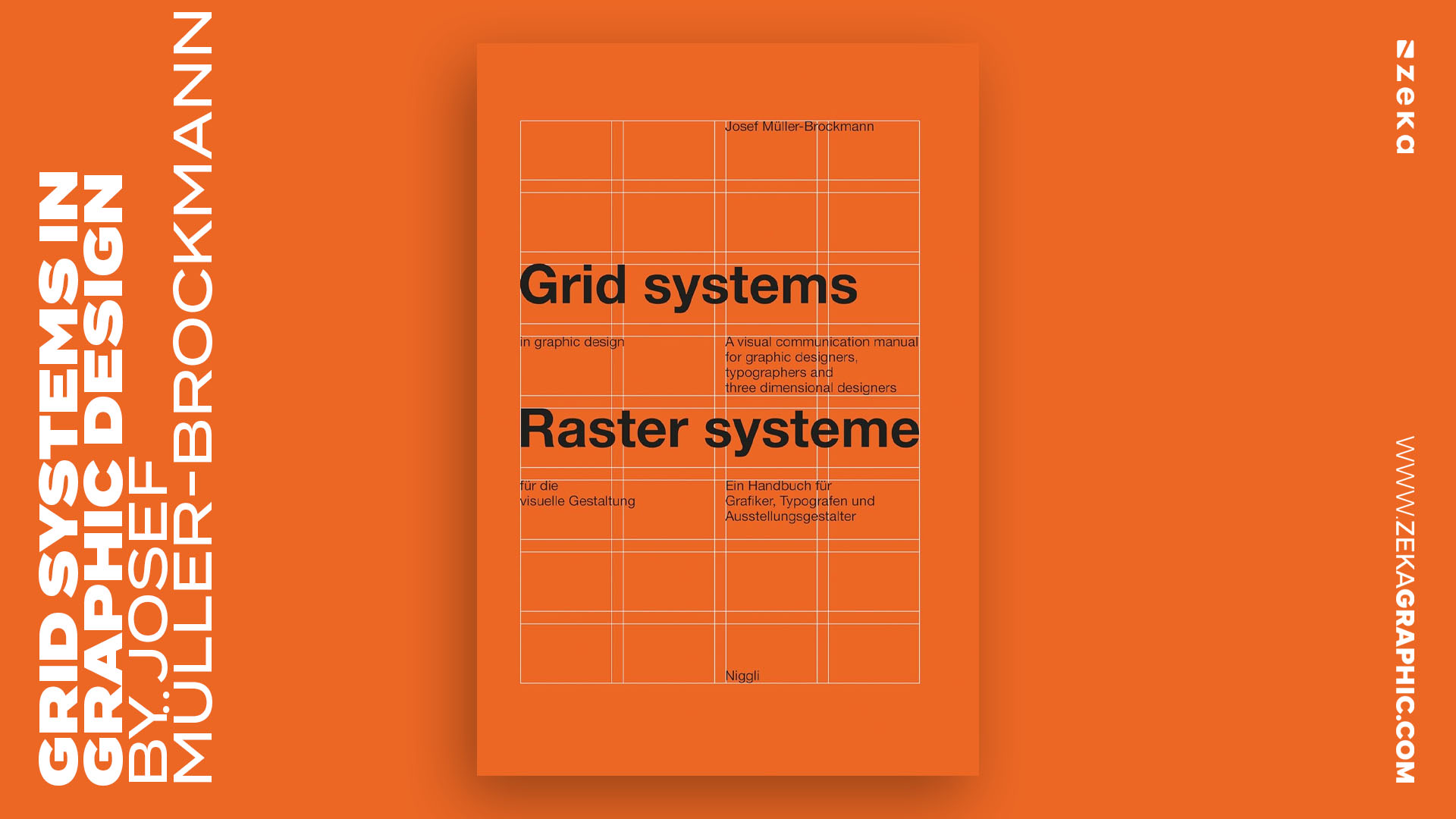
Grid Systems in Graphic Design is the essential continuation of Bauhaus thinking into the era of Swiss Modernism. While not a Bauhaus publication itself, Müller-Brockmann expands on the same pursuit of clarity, order, and functional beauty — translating them into rigorous grid structures used in editorial design, branding, advertising, and modern UI/UX. For designers who want layouts that feel intentional, balanced, and mathematically sound, this book is a foundational resource.
Inside, Müller-Brockmann breaks down the logic and practicality of grids, showing how they shape hierarchy, rhythm, spacing, and user experience. It’s one of the most influential design books ever published, and mastering its ideas elevates every project you touch — from posters to websites.
What this book teaches you:
Advertisment
Books remain the deepest and most reliable way to absorb the true essence of the Bauhaus movement. Beyond the posters and iconic shapes, Bauhaus was a complete design education: color theory, geometry, experimentation, typography, and functional thinking.
Each book in this list offers a different doorway into that world — from historical foundations to color interaction, from experimental photography to system design. Together, they form a powerful toolkit for any designer who wants clarity, structure, and artistic confidence.
The more you study these principles, the more intuitive your work becomes. You start seeing patterns others miss. Your compositions become cleaner, stronger, more intentional. You become not just a designer who “makes things look good,” but a designer who thinks with purpose.
If you found this post useful you might like to read these posts about Brand Design Inspiration.
Advertisment
Written by
If you like this post share it on your social media!




Advertisment
Advertisment