This Post Contains Affiliate Links
Learning graphic design today is easier than ever—but also more overwhelming than ever. Thousands of YouTube tutorials, dozens of online courses, and endless blog posts compete for your attention. But when you need real understanding—not just quick tips—books remain the most reliable way to learn graphic design from the ground up.
As a graphic designer, I’ve learned that books offer what online content rarely can: structure, timeless principles, expert guidance, and visually rich explanations that build skills in a deep, meaningful way. If you’re a beginner, self-taught designer, or creative professional trying to strengthen your foundations, this curated list brings together the best books to learn graphic design, covering layout, typography, color, branding, creativity, and design theory.
If you’re ready to build a rock-solid foundation and design with confidence, these are the books I recommend again and again.
Advertisment
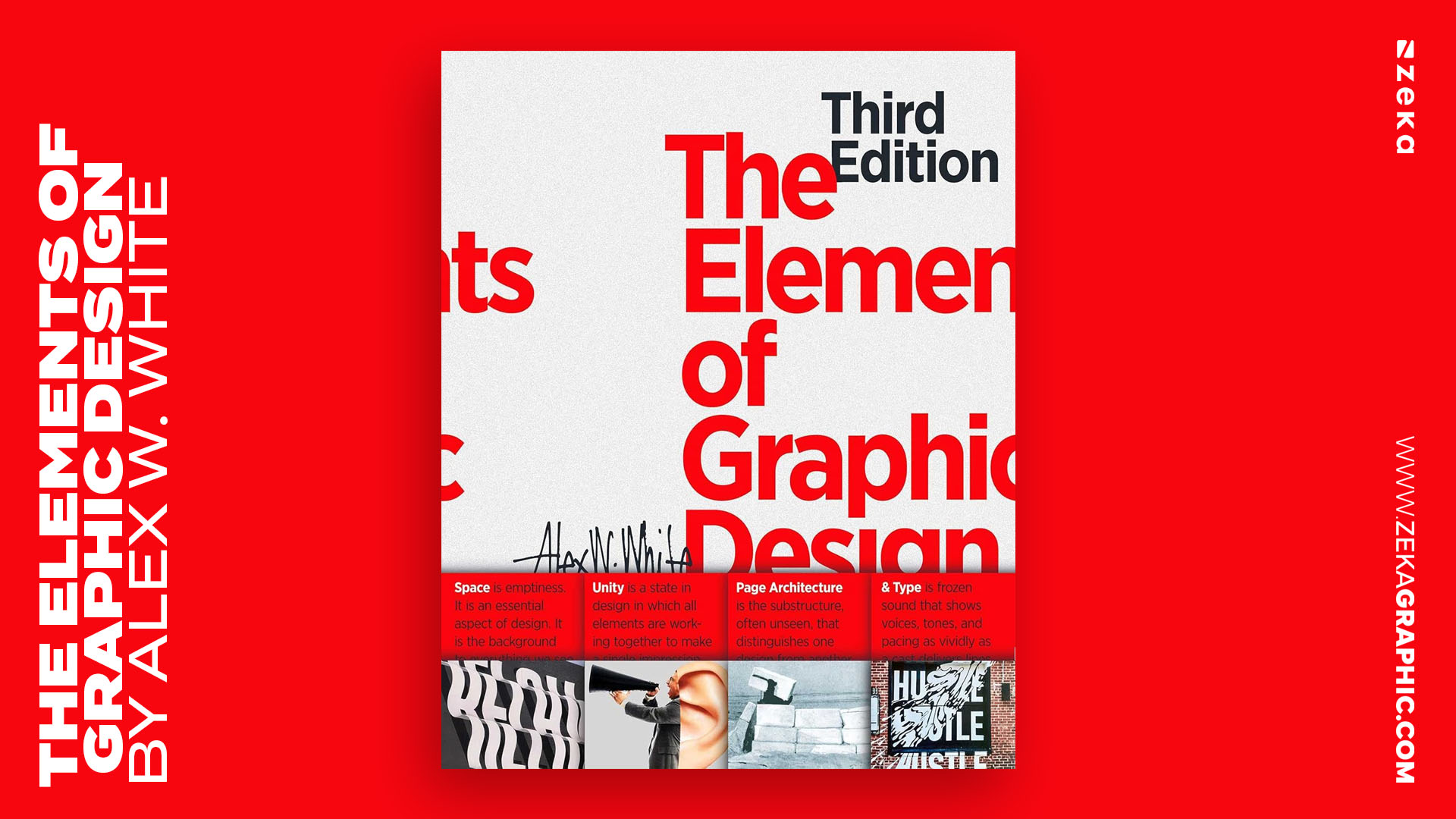
If you’re starting from absolute zero, this is the book I wish every beginner read first. It breaks down design principles into simple, visual explanations—spacing, alignment, contrast, hierarchy, proportion, scale, and composition. These fundamentals are what separate amateur-looking design from clean, professional work, and this book teaches them in a way that’s easy to understand without oversimplifying.
What I love most is how Alex W. White explains the why behind visual decisions. As a beginner, developing a designer’s eye can feel like magic—this book makes that magic logical. You’ll learn how to create balance, guide the viewer’s eyes, and structure information so it feels intentional and clear.
What you’ll learn:
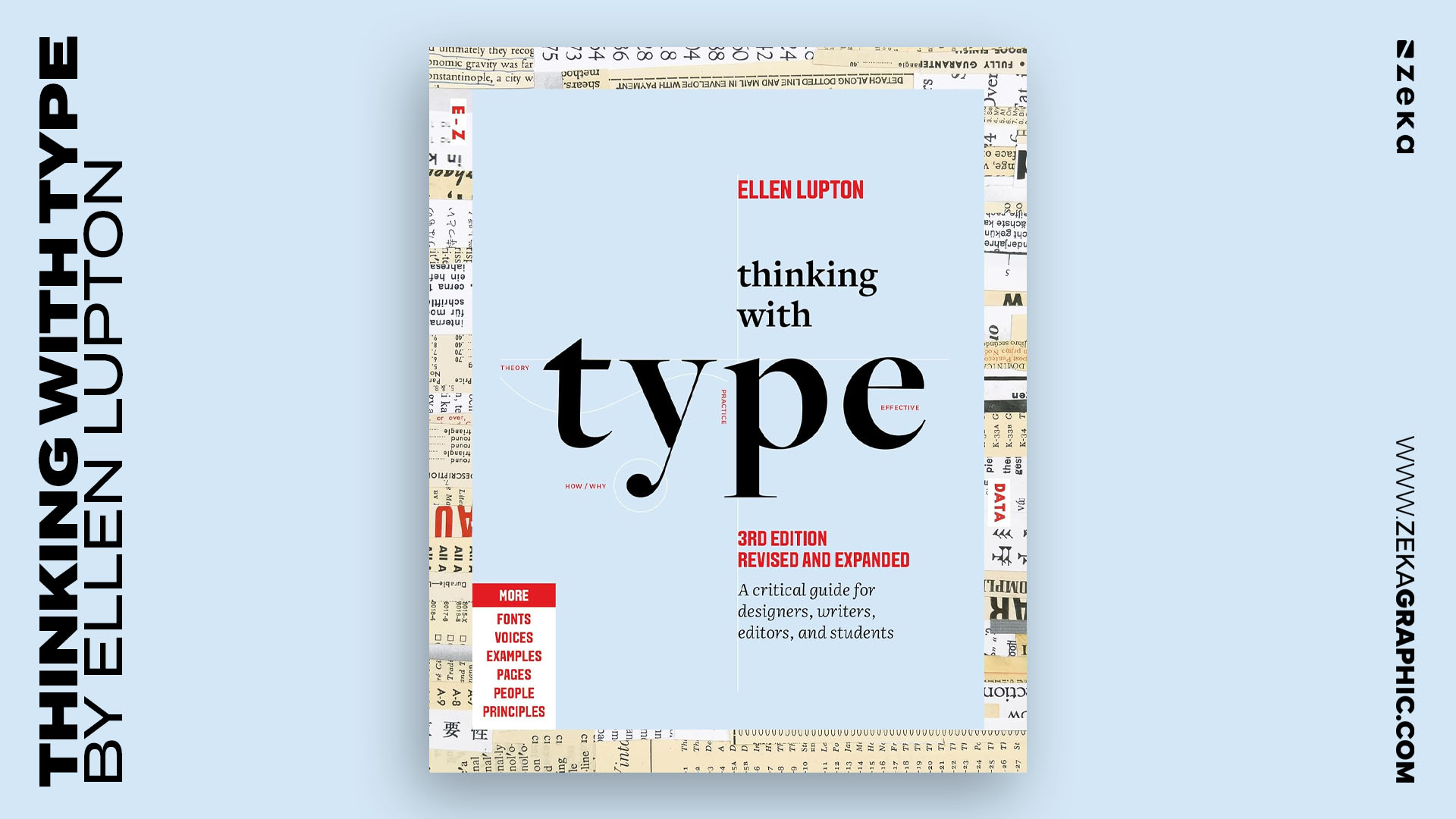
Typography is the heartbeat of graphic design—and this is the #1 book I recommend to anyone learning it. Ellen Lupton explains everything from type anatomy and alignment to grids, spacing, hierarchy, and digital typography. It’s both practical and theoretical, and it includes real-world examples that will instantly improve your design decisions.
If you’ve ever struggled with font pairing, inconsistent spacing, or layouts that “feel off,” this book will fix that. As a designer, mastering type is one of the highest-leverage skills you can develop. After reading this, you’ll start seeing typography in a completely different way.
What you’ll learn:
Advertisment
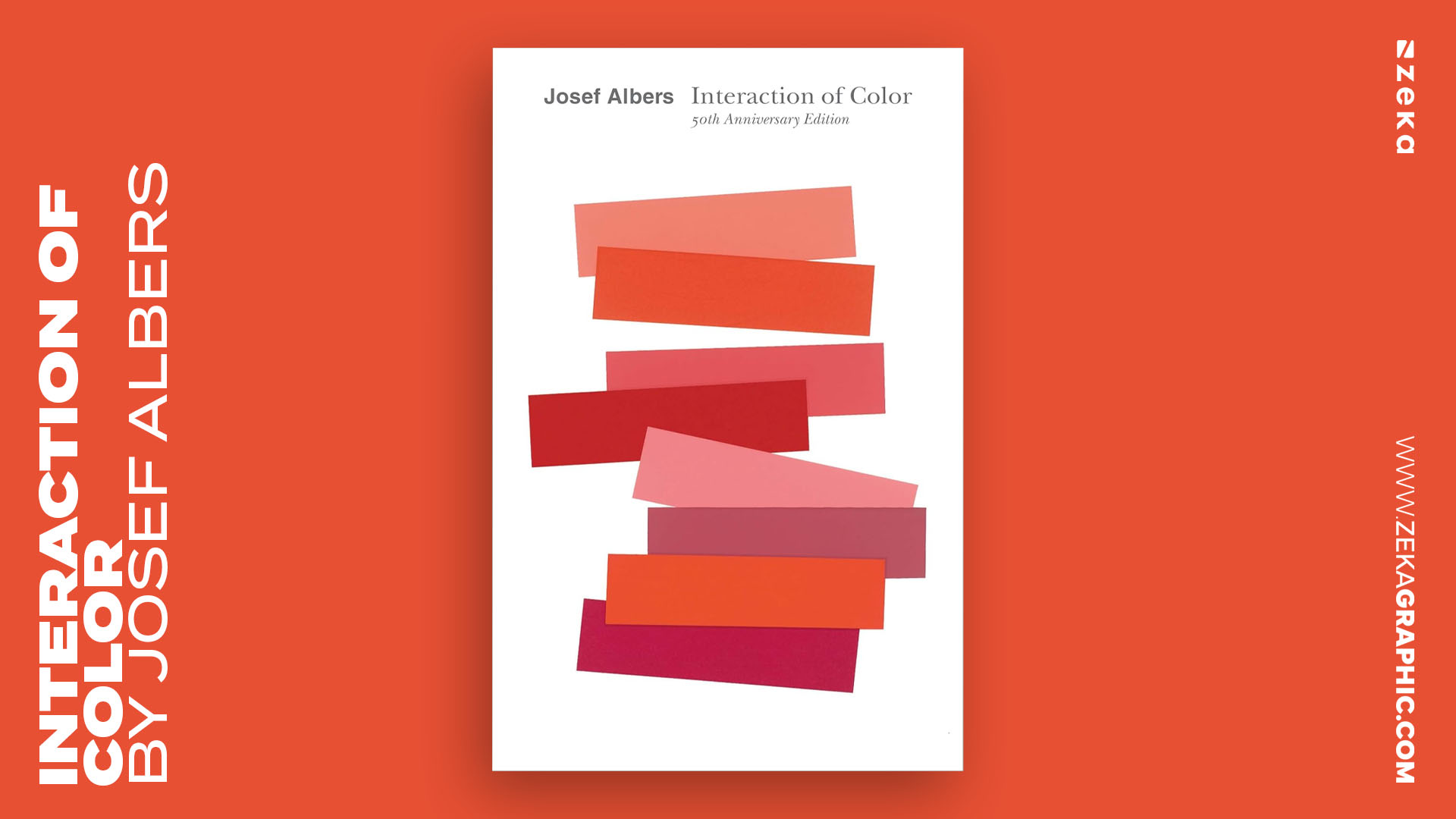
Color can be one of the most frustrating topics for beginners—until you learn how color actually behaves. Josef Albers’ classic book is still the single best resource for understanding contrast, temperature, perception, saturation, harmony, and optical effects. It doesn’t teach color by telling you what’s “right”—it teaches you to see color like a designer.
This book is transformative. Instead of memorizing color rules, you learn how to make intentional choices in branding, UI, print, and digital design. If you struggle with muddy palettes, weak contrast, or color that feels inconsistent across screens, this book will change how you design forever.
What you’ll learn:
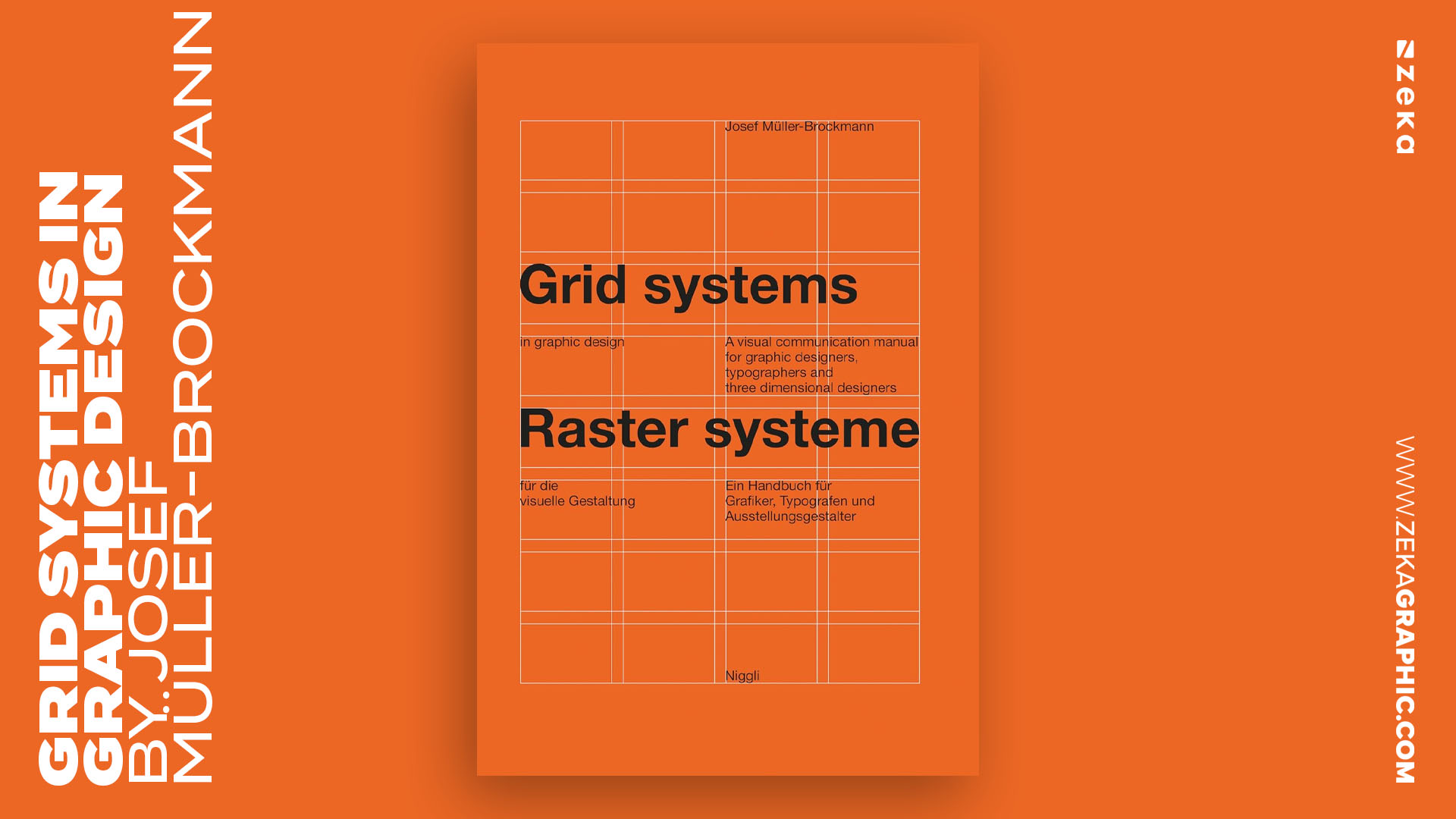
If there’s one book that instantly makes your layouts look more professional, it’s this one. Müller-Brockmann’s grid system is the backbone of modern editorial, web, and print design, and this book explains it with mathematical clarity and visual precision. As a beginner, learning grids may feel intimidating—but once you understand spacing, rhythm, and modular systems, everything “clicks.”
What I appreciate about this book is its timelessness. The principles haven’t changed since the era of Swiss Modernism, and they’re the same rules you see today in UI design, magazines, posters, and websites. If you want layouts that feel clean, organized, and intentional, this is the manual to keep at your desk.
You’ll learn:
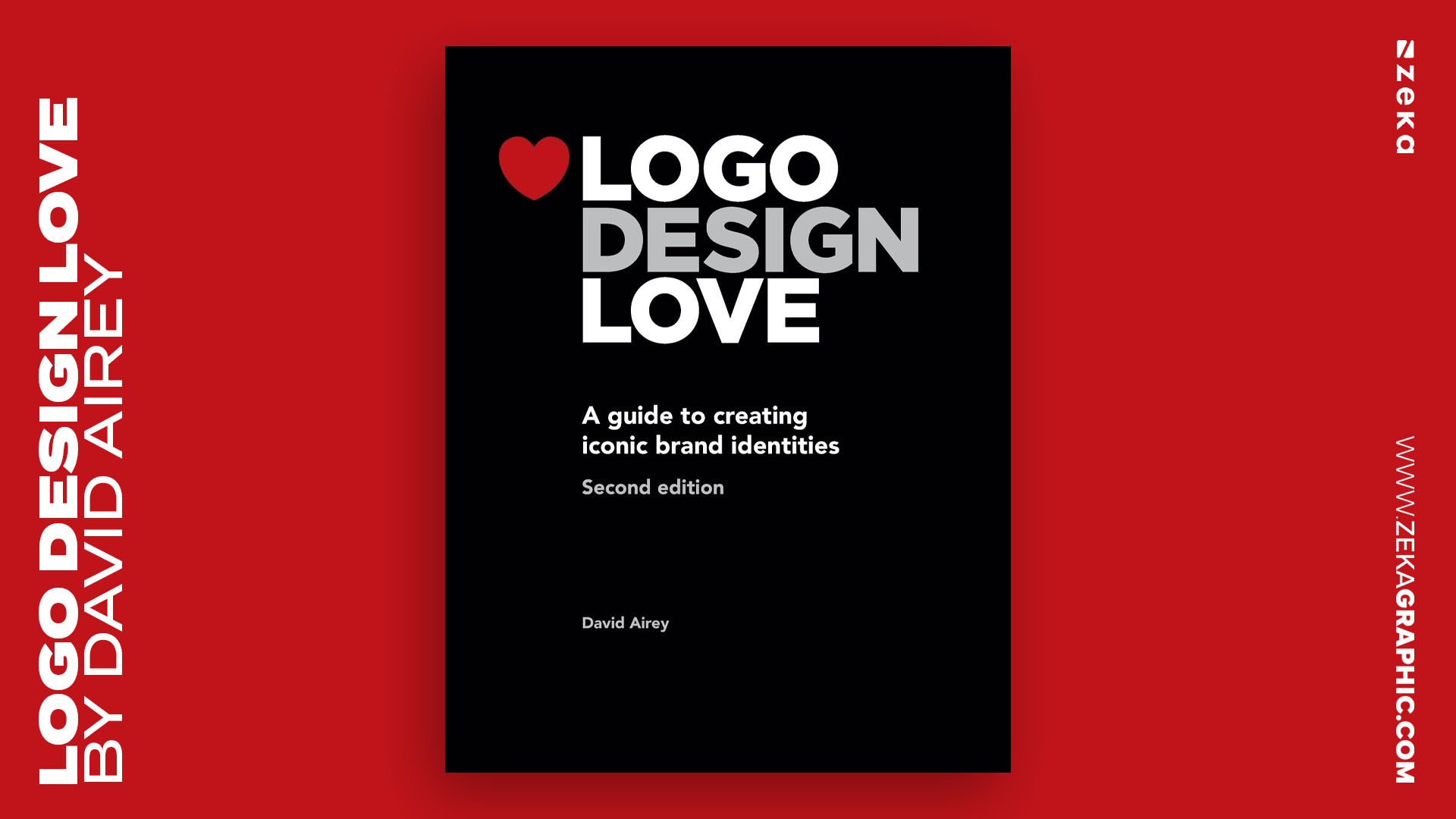
This is the perfect introduction to branding, identity systems, and real-world logo design. David Airey walks you through the entire process—research, strategy, sketching, refinement, presentation, and client collaboration. For beginners, the step-by-step workflow is invaluable because it shows that logo design isn’t about drawing—it’s about thinking.
The book includes case studies, behind-the-scenes processes, practical tips, and branding psychology insights. As a designer, I love how approachable and friendly it feels. It teaches beginners how to develop visual identities with intention instead of guessing.
You’ll learn:
Advertisment
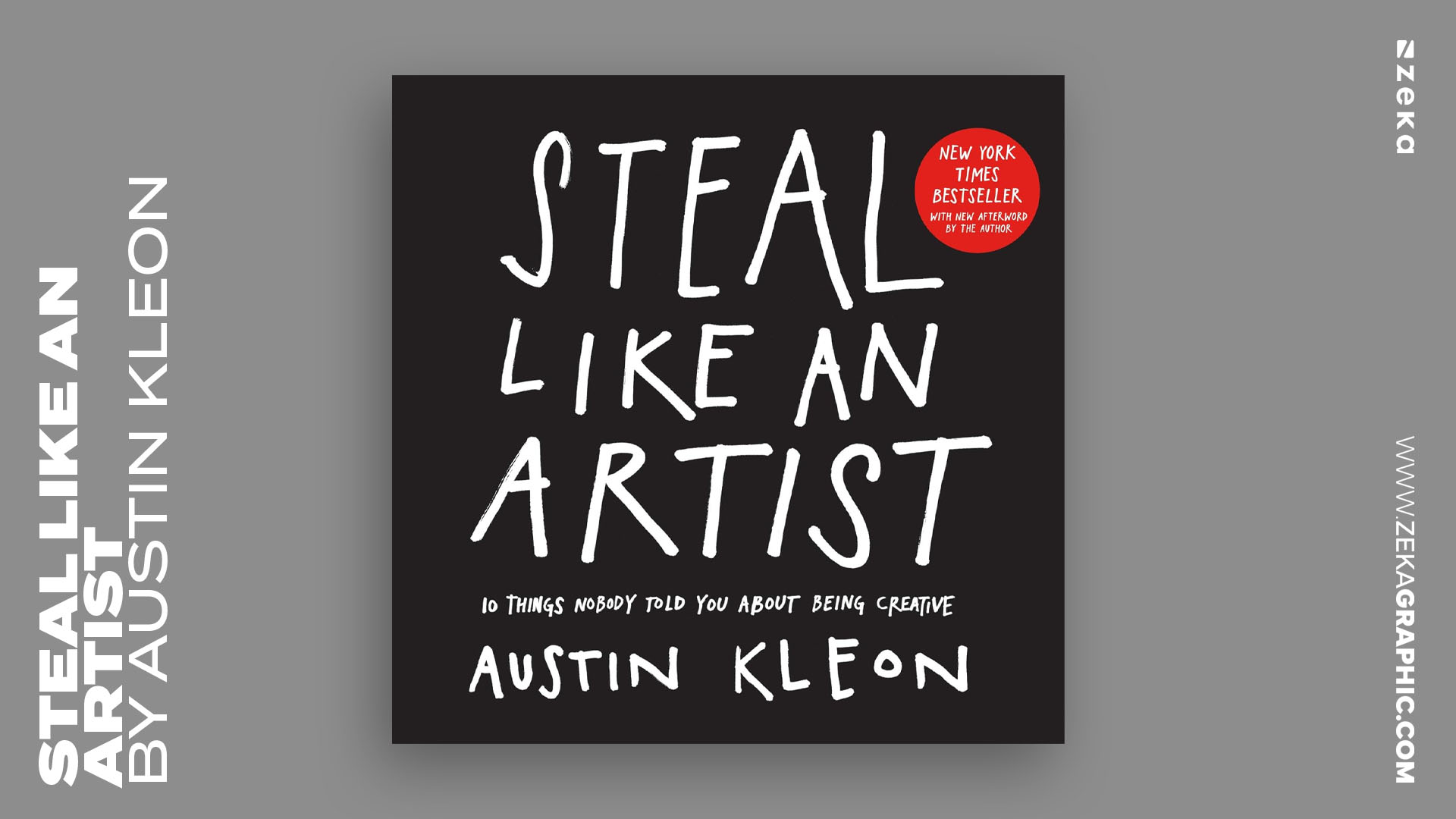
Creativity can feel chaotic—especially when you’re just starting out. This book gives beginners permission to explore, borrow inspiration, remix ideas, and experiment without feeling guilty. It’s short, motivating, and packed with mindset shifts that help you build creative confidence.
Austin Kleon explains that nothing is original—only your interpretation is. When you understand that, design becomes significantly less intimidating. Whenever I feel stuck or overwhelmed, I revisit this book. It’s a psychological reset for designers.
You’ll learn:
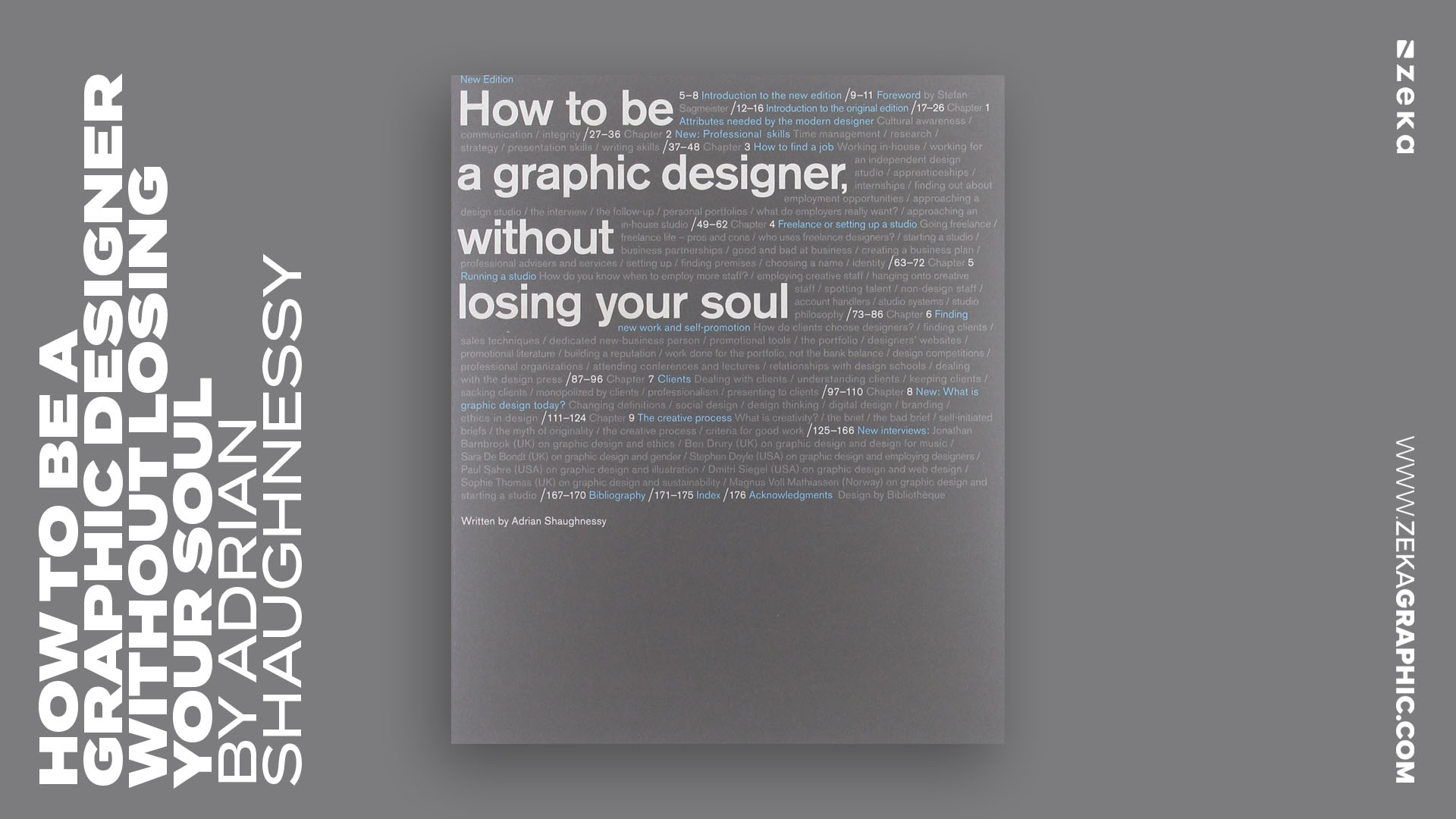
Once you understand the basics of design, the next challenge is navigating the designer’s career—clients, pricing, portfolios, freelancing, agency life, creative burnout, and staying inspired. This book is the closest thing to having a mentor in your pocket.
Shaughnessy writes with honesty and empathy. He covers the realities of the creative industry without discouraging beginners. Instead, he gives practical advice that helps you grow professionally while maintaining your passion and values.
You’ll learn:
Advertisment
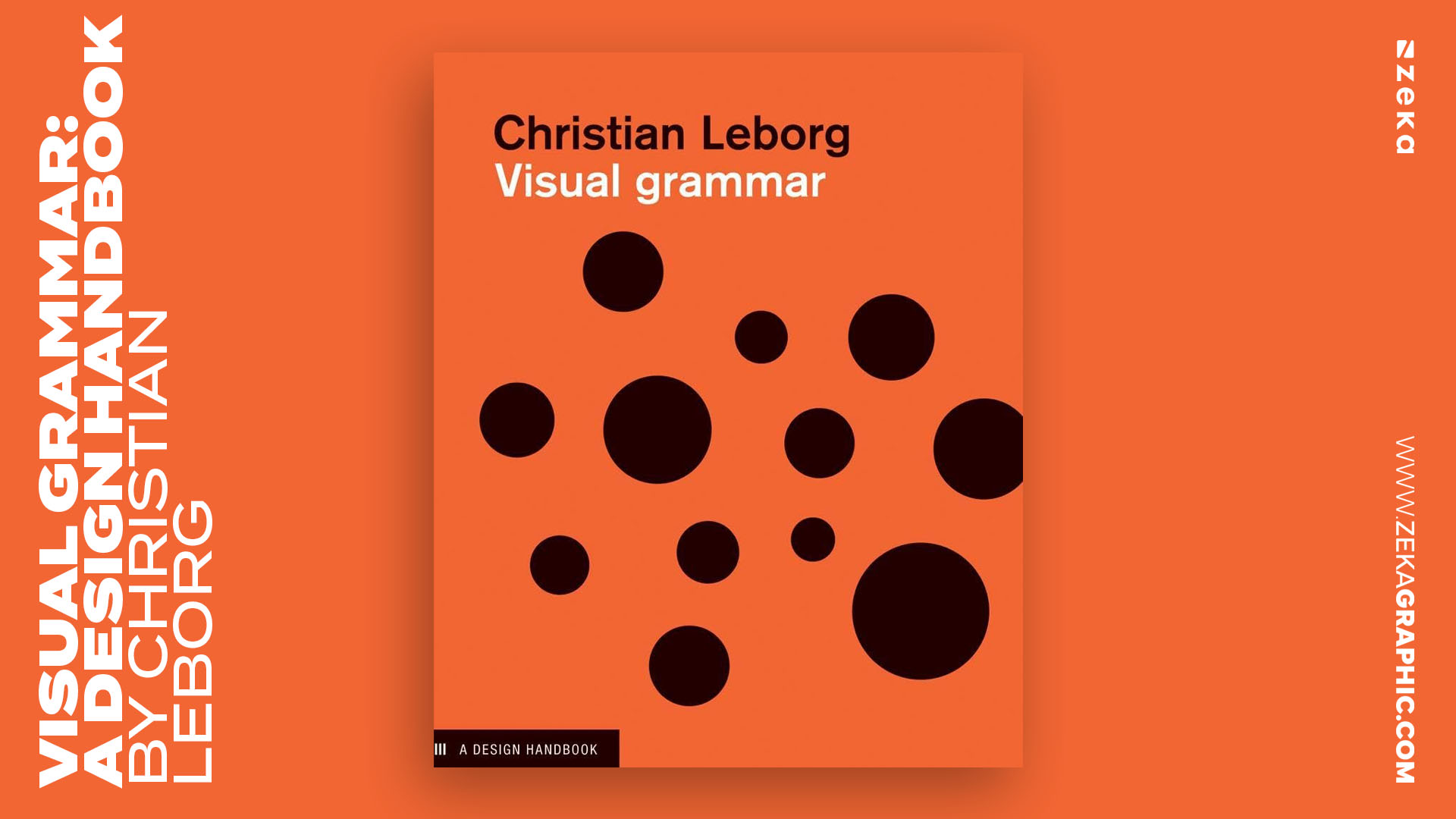
For beginners, understanding why shapes, lines, and forms communicate meaning is just as important as learning typography or color. “Visual Grammar” by Christian Leborg is one of the clearest and most essential introductions to visual language — a short but powerful book that breaks down the fundamental building blocks of design into simple, universal concepts.
Leborg categorizes visual elements into relationships, syntax, structures, and forms, helping you understand how design communicates before any words are read. This book is especially valuable for self-taught designers who struggle to explain their design decisions or want to strengthen their conceptual thinking. It’s minimalistic, visual, and incredibly clear — the kind of book you’ll reference throughout your career.
Advertisment
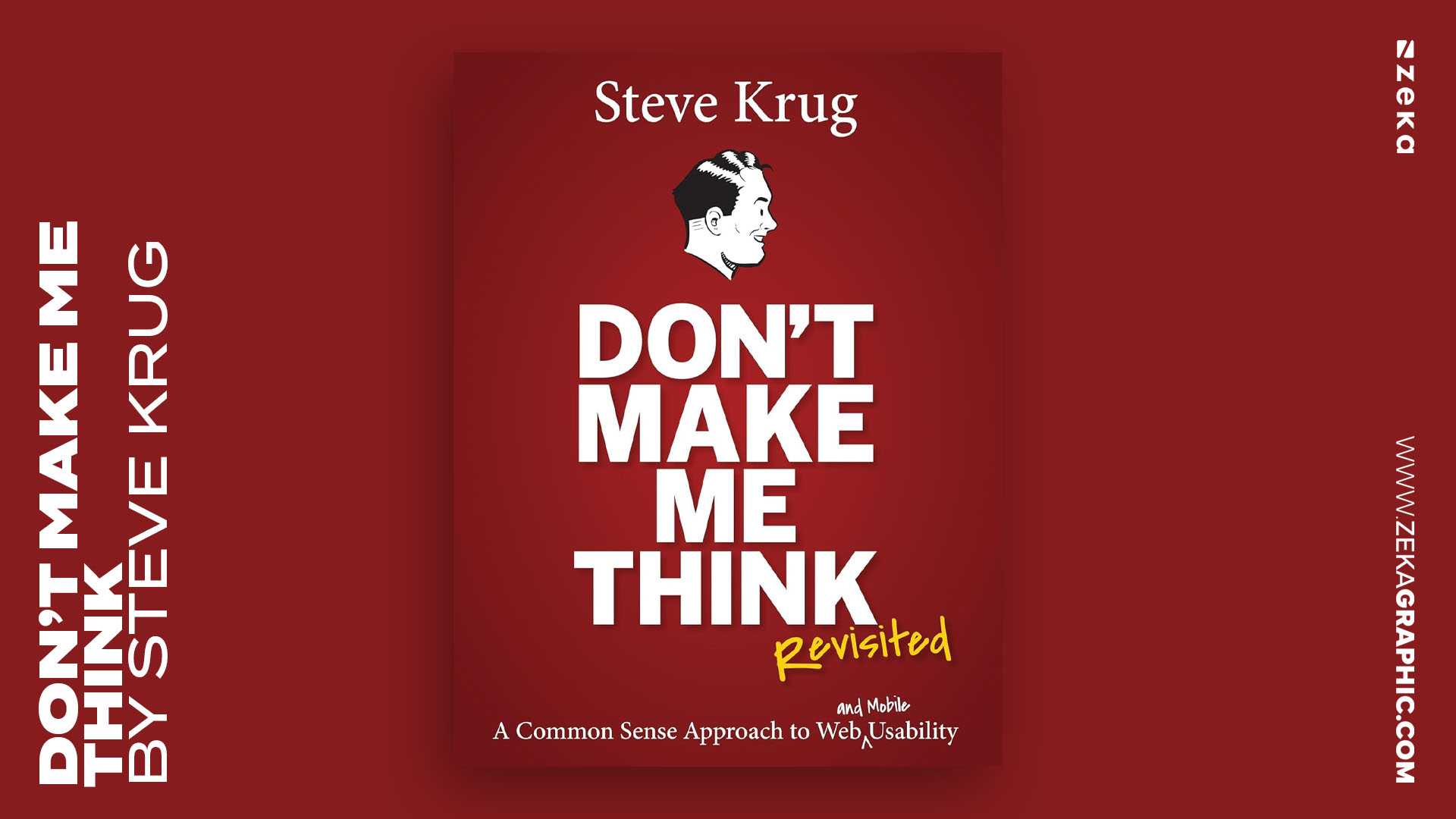
Even if you’re not a UI/UX designer, this book will improve your understanding of clarity, simplicity, hierarchy, and user behavior. Modern graphic design isn’t just about making things pretty—it’s about helping people understand information quickly and intuitively.
This is one of the easiest books to read, but one of the most impactful. The lessons translate perfectly into layout design, branding, poster design, and even typography.
You’ll learn:
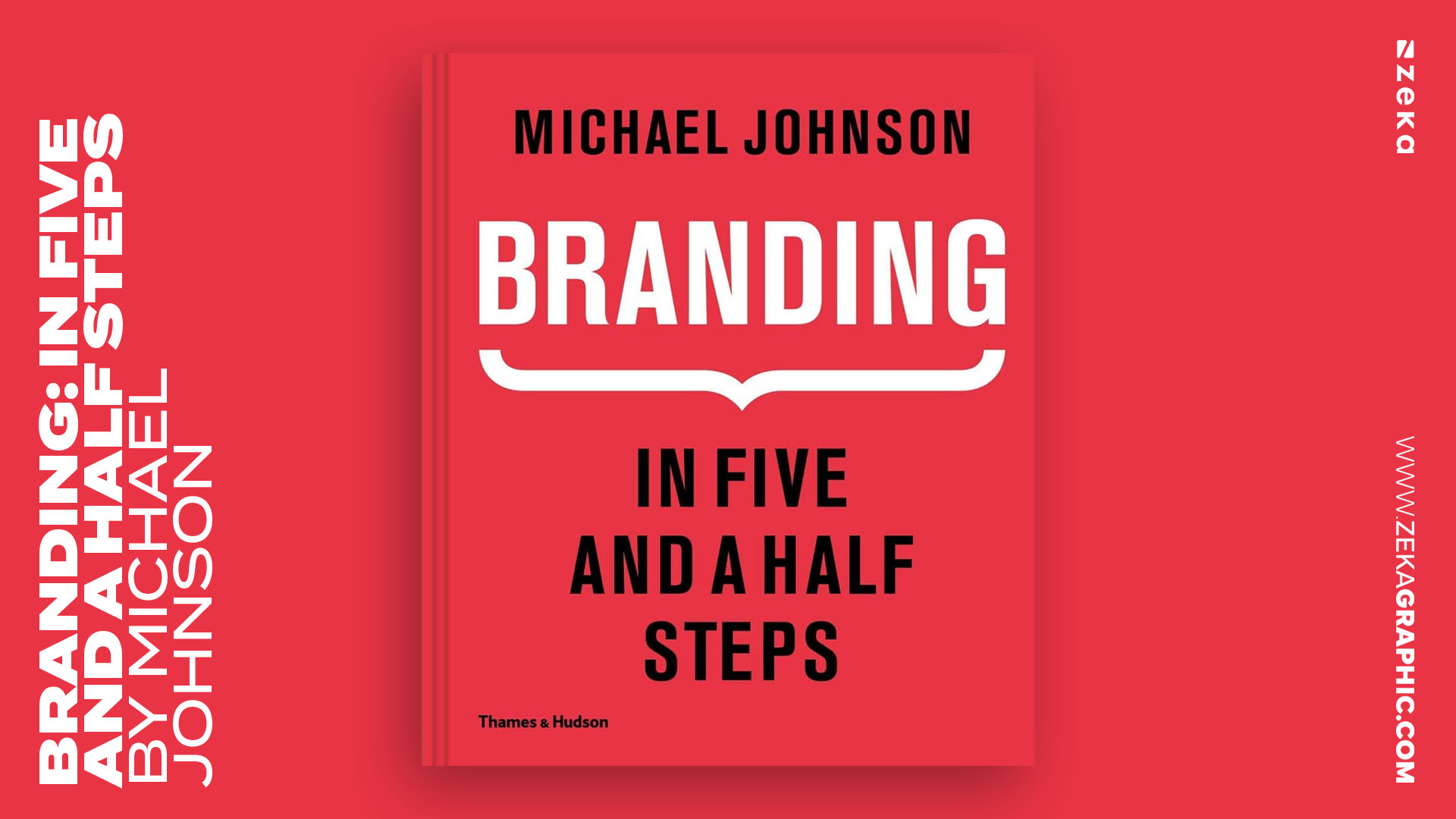
This is one of the most comprehensive branding books available. It covers strategy, audience psychology, brand narratives, identity systems, visual consistency, and execution. For beginners who want to move into brand design, this book offers a structured approach that removes all the guesswork.
The visuals are stunning, the process is clear, and the thinking is strategic. It’s the perfect next step after “Logo Design Love.”
You’ll learn:
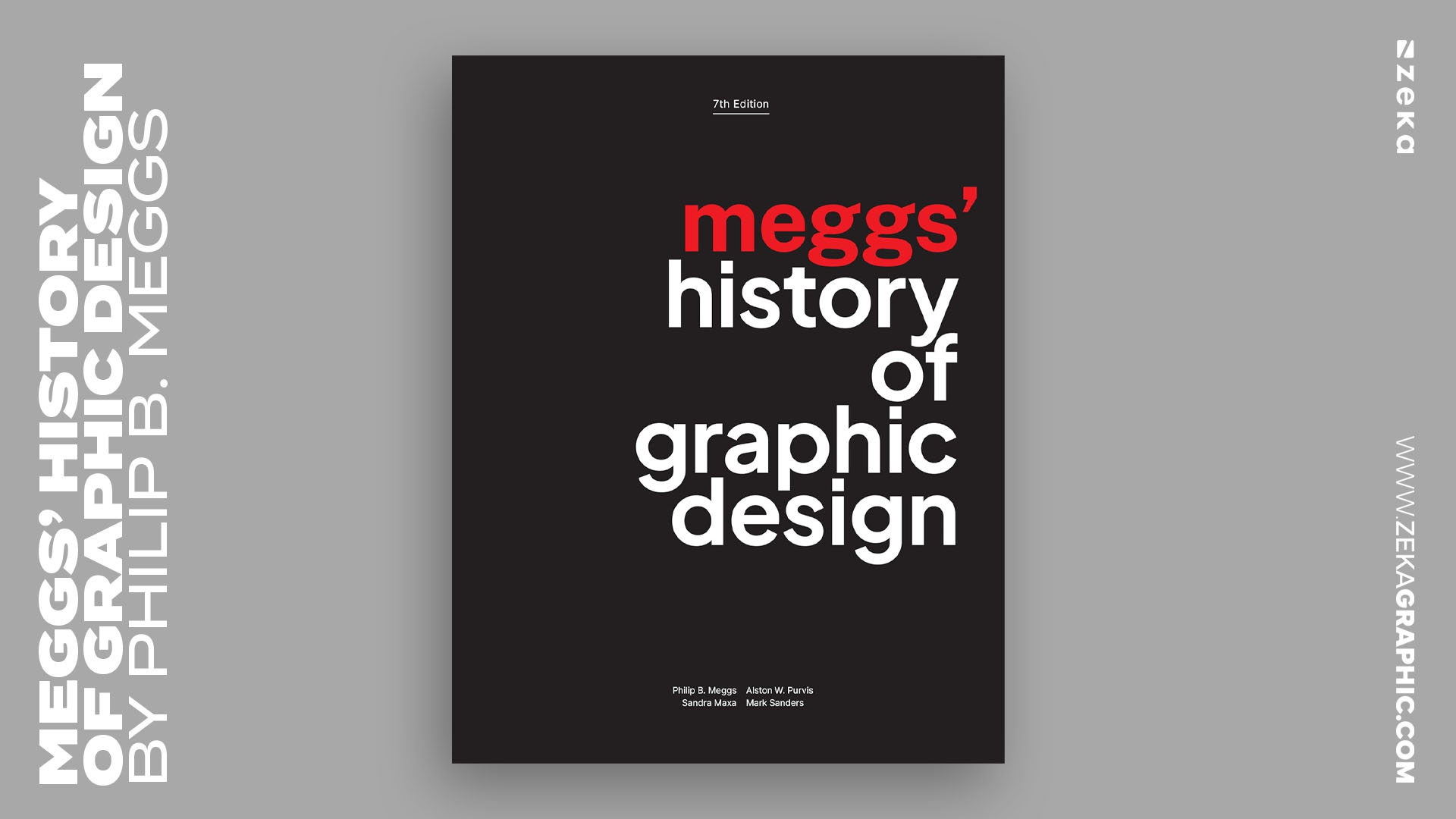
Every serious designer should read this at least once. Design becomes more meaningful when you understand where it came from—from Bauhaus to Swiss Style to Postmodernism, printing revolutions, early typography, and the birth of digital design.
This book is dense but rewarding. It helps you see patterns, influences, and philosophies behind the visuals you create today. It’s a long-term investment in your growth as a designer.
You’ll learn:
Advertisment
Books are one of the most powerful tools a beginner graphic designer can use. They give you structure, depth, visual clarity, and a real foundation—something scattered tutorials can’t provide. Whether you’re learning theory, typography, color, branding, layout, or creativity, the books above offer a complete roadmap to becoming a confident designer.
If you’re just starting, choose 2 or 3 books based on your goals:
No matter where you begin, these books will accelerate your growth, sharpen your eye, and help you design with clarity and confidence.
If you found this post useful you might like to read these posts about Graphic Design Inspiration.
Advertisment
Written by
If you like this post share it on your social media!

Advertisment
Advertisment