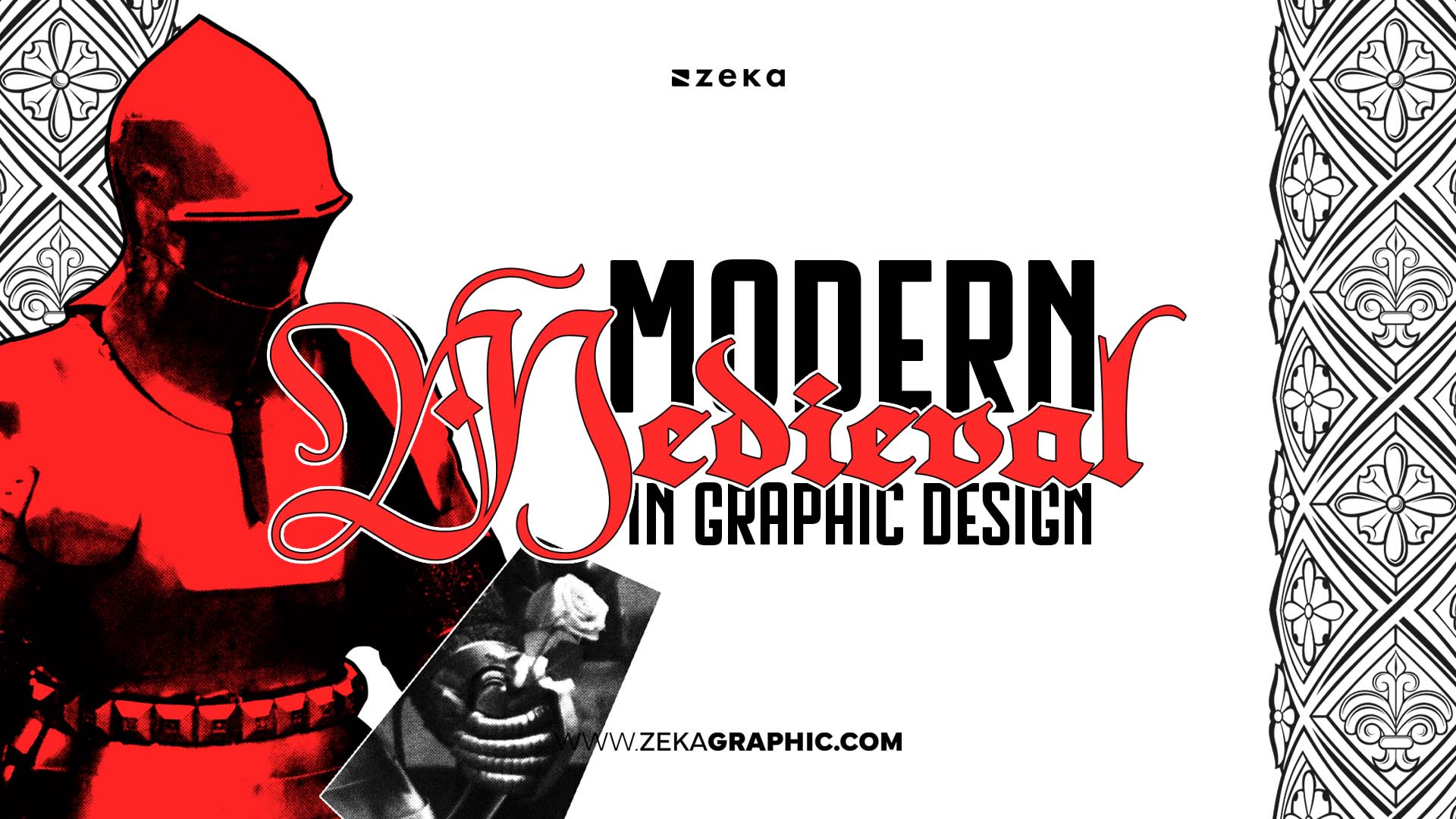
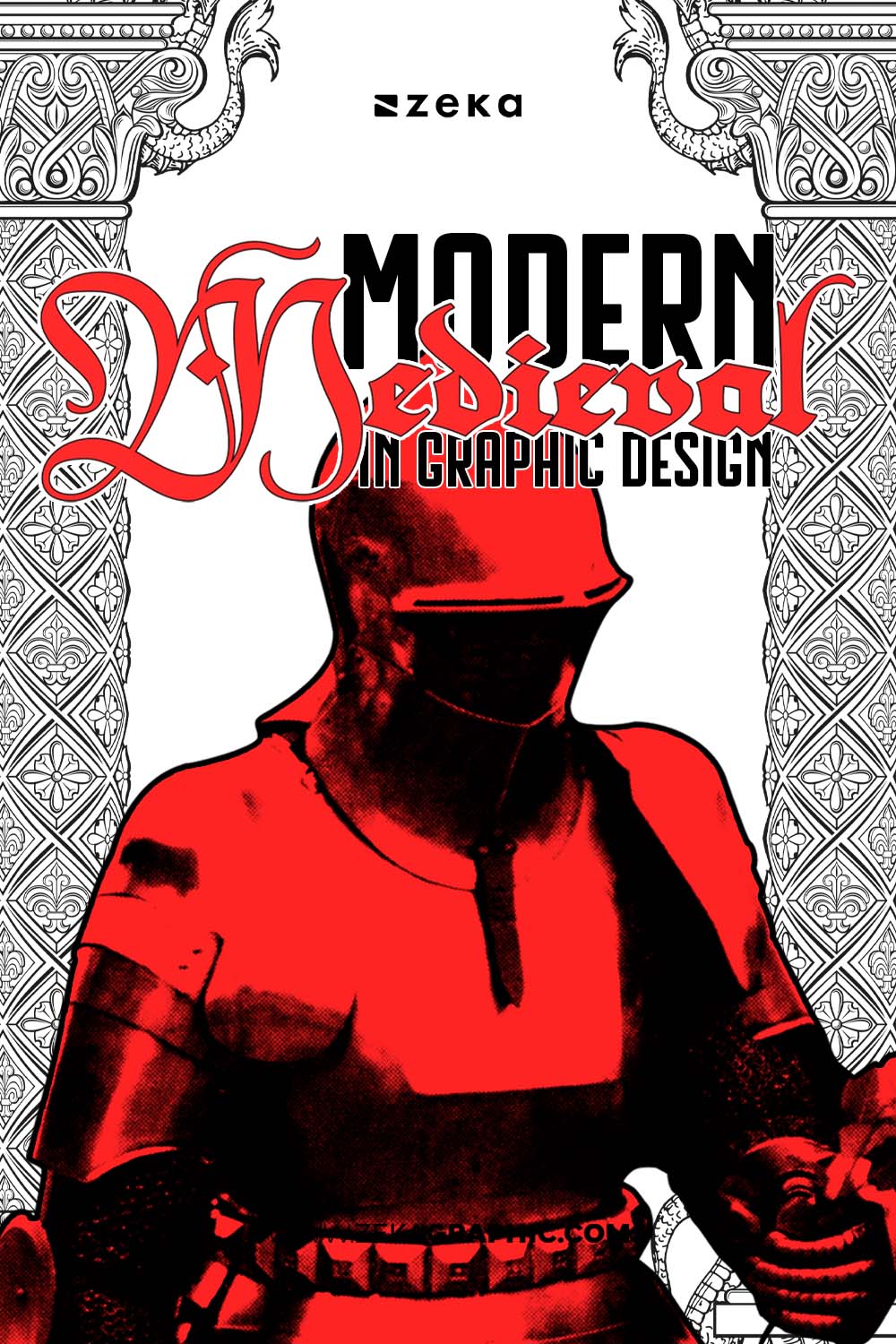
There’s a new aesthetic rising from the digital mist — one where cathedral arches meet chrome gradients, and Gothic romance fuses with futuristic restraint. Modern Medieval Graphic Design is not merely a trend; it’s a visual philosophy.
In a world dominated by speed and minimalism, this movement reintroduces a sense of mystery, ritual, and symbolism — a rebirth of craft in the algorithmic age.
For graphic designers, Modern Medieval represents a bridge between past craftsmanship and future technology. It’s where illuminated manuscripts inspire glowing user interfaces, and heraldic forms echo in branding and typography.
Mastering this aesthetic is not just about visual style — it’s about capturing the timeless duality of humanity: chaos and order, spirit and code.
Advertisment
Modern Medieval Design is a contemporary visual language that merges the symbolic depth of medieval art with the sleek precision of digital modernism. It draws from illuminated manuscripts, Gothic cathedrals, and heraldic emblems — yet transforms them with minimalist grids, metallic surfaces, and futuristic lighting.
This design style thrives on contrasts: ritual meets technology, ornament meets function, and mysticism meets modern logic.
Its emotional power lies in evoking wonder and reverence — a mood rarely achieved in flat, hyper-minimalist design. Imagine the sacred geometry of the past rendered through chrome textures and 3D typography.
Modern Medieval resonates because it’s deeply human — balancing craftsmanship and innovation in an era that craves both.
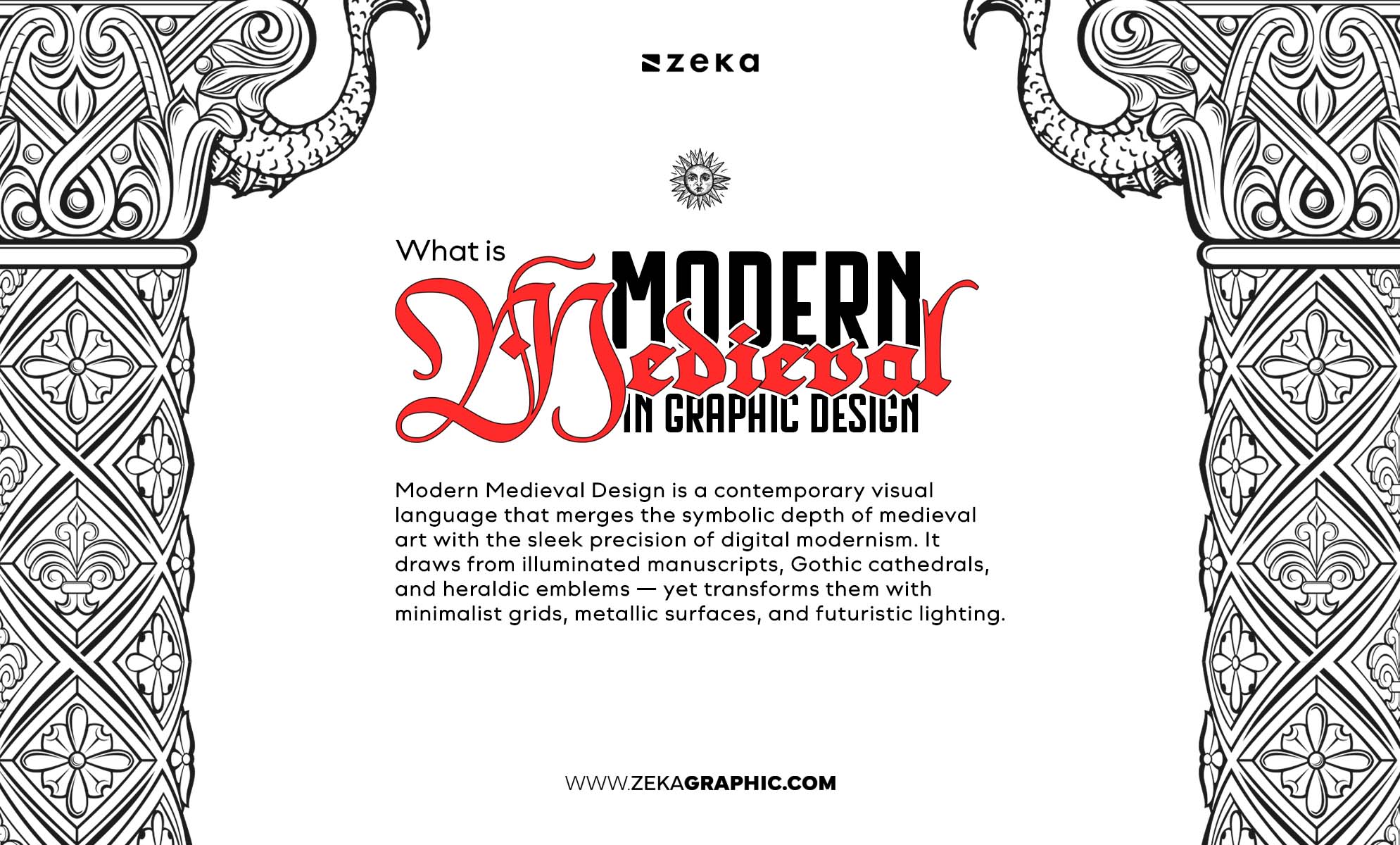
The Modern Medieval aesthetic didn’t emerge from a single trend — it’s the result of centuries of symbolism, visual memory, and cultural reinvention.
Its lineage runs from monastic scribes illuminating sacred texts to heraldic symbols. What makes Modern Medieval so compelling today is that it merges the spiritual depth of the past with the cinematic technology of the present.
Long before the term graphic design existed, medieval artisans were already shaping one of the most influential visual languages in Western history.
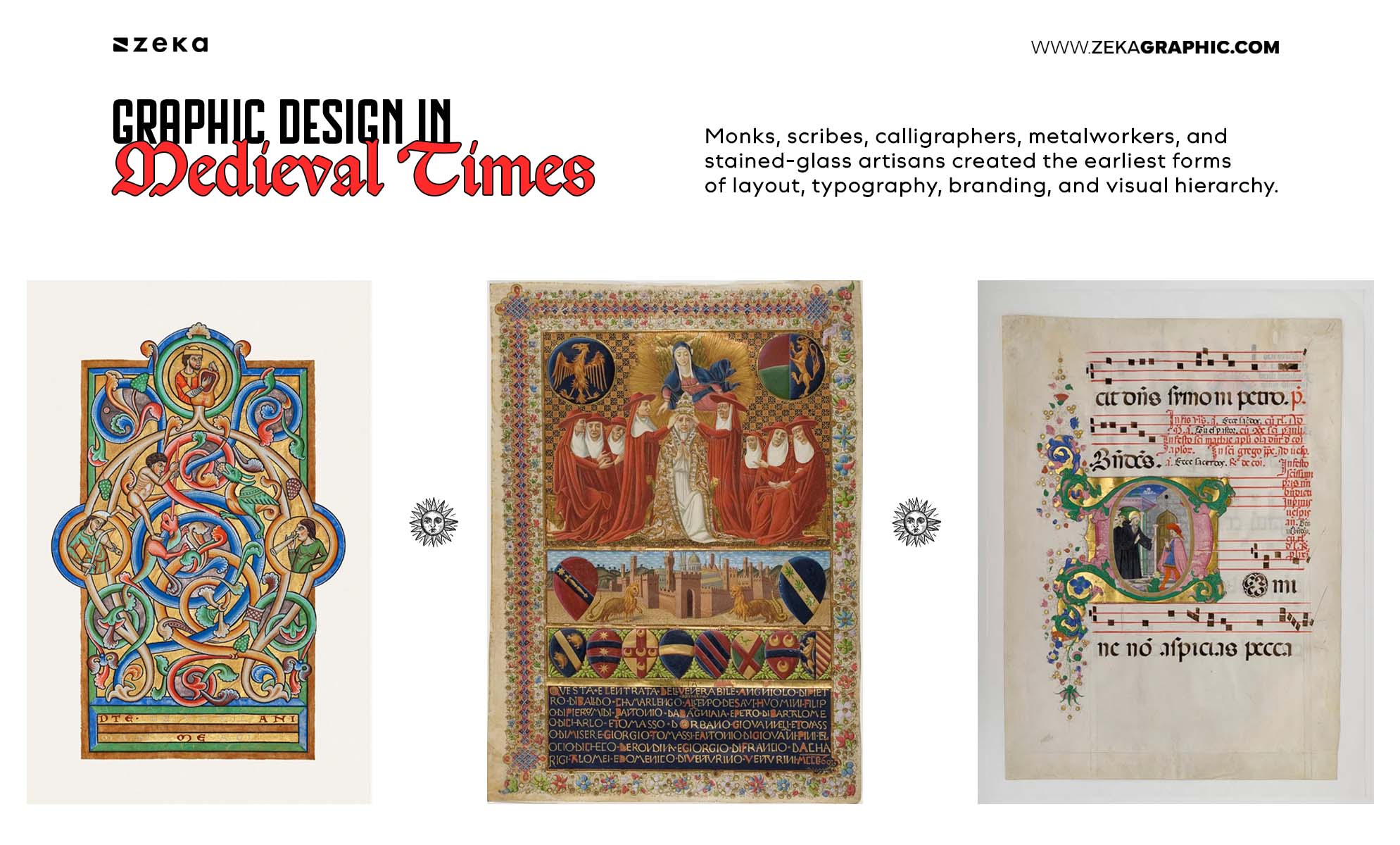
Monks, scribes, calligraphers, metalworkers, and stained-glass artisans created the earliest forms of layout, typography, branding, and visual hierarchy. Their work established principles still used today:
In many ways, medieval design created the first real rules of visual communication — with a focus on storytelling, symbolism, and craftsmanship. These elements form the spiritual backbone of the Modern Medieval aesthetic.
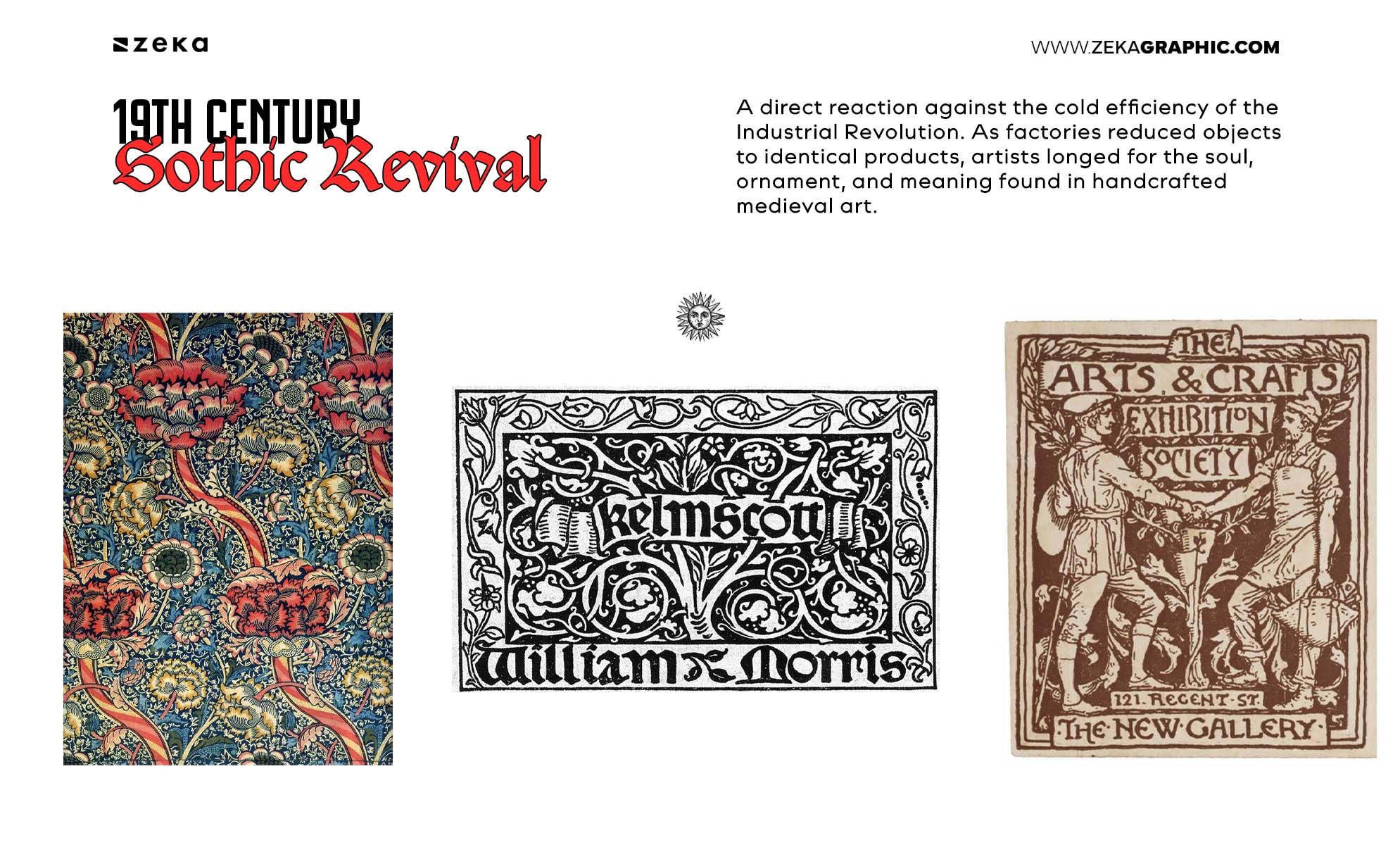
The first major resurgence of medieval visual culture came during the Gothic Revival of the 19th century — a direct reaction against the cold efficiency of the Industrial Revolution. As factories reduced objects to identical products, artists longed for the soul, ornament, and meaning found in handcrafted medieval art.
Figures like William Morris, Kelmscott Press and the Arts and Crafts Movement reintroduced:
Their critique of industrialization became a seed for what would eventually become Modern Medieval: design with intention, ritual, and moral beauty. They proved that old aesthetics could become powerful forms of cultural rebellion — an idea the current movement continues.
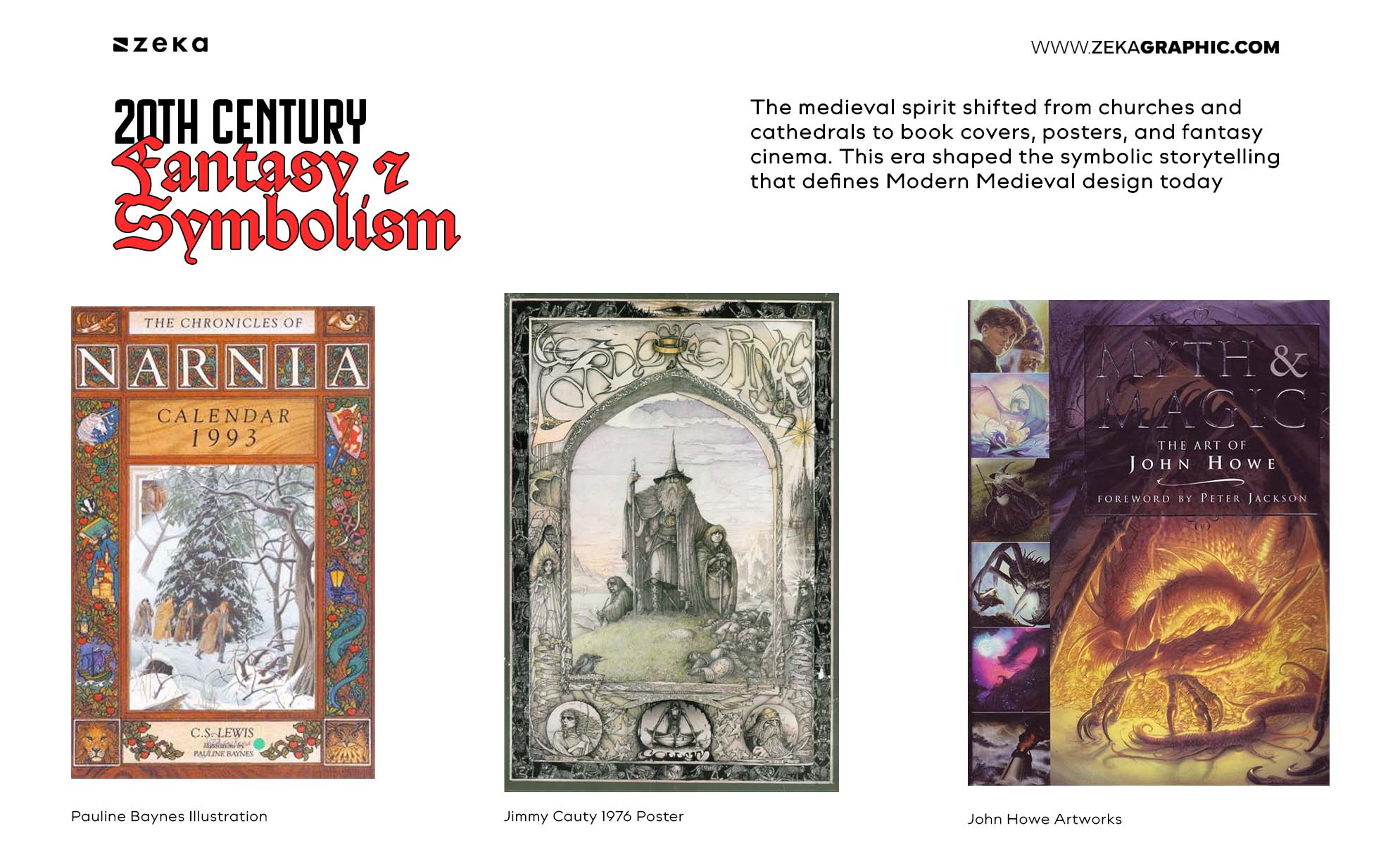
In the 20th century, mythology and fantasy art kept medieval romanticism alive. From Tolkien’s Middle-earth and C.S. Lewis’s Narnia and Pauline Baynes Illustrations to the hand-painted illustrations of Dungeons & Dragons, the medieval spirit shifted from churches and cathedrals to book covers, posters, and fantasy cinema.
Artists like Alan Lee and John Howe infused their worlds with heraldic motifs and spiritual light, giving modern audiences a visual language of myth. This era shaped the symbolic storytelling that defines Modern Medieval design today — a balance between narrative depth and visual opulence.
As digital tools matured, designers began to merge tactile past with technological precision — the true beginning of Modern Medieval as a stylistic force.
This era fused decadence with decay, spirituality with technology. Designers discovered that medieval forms — knots, runes, sigils — looked unexpectedly powerful when paired with neon gradients, metallic lighting, and abstract geometry.
This fusion created the blueprint for the Modern Medieval aesthetic: ancient symbolism + digital futurism.
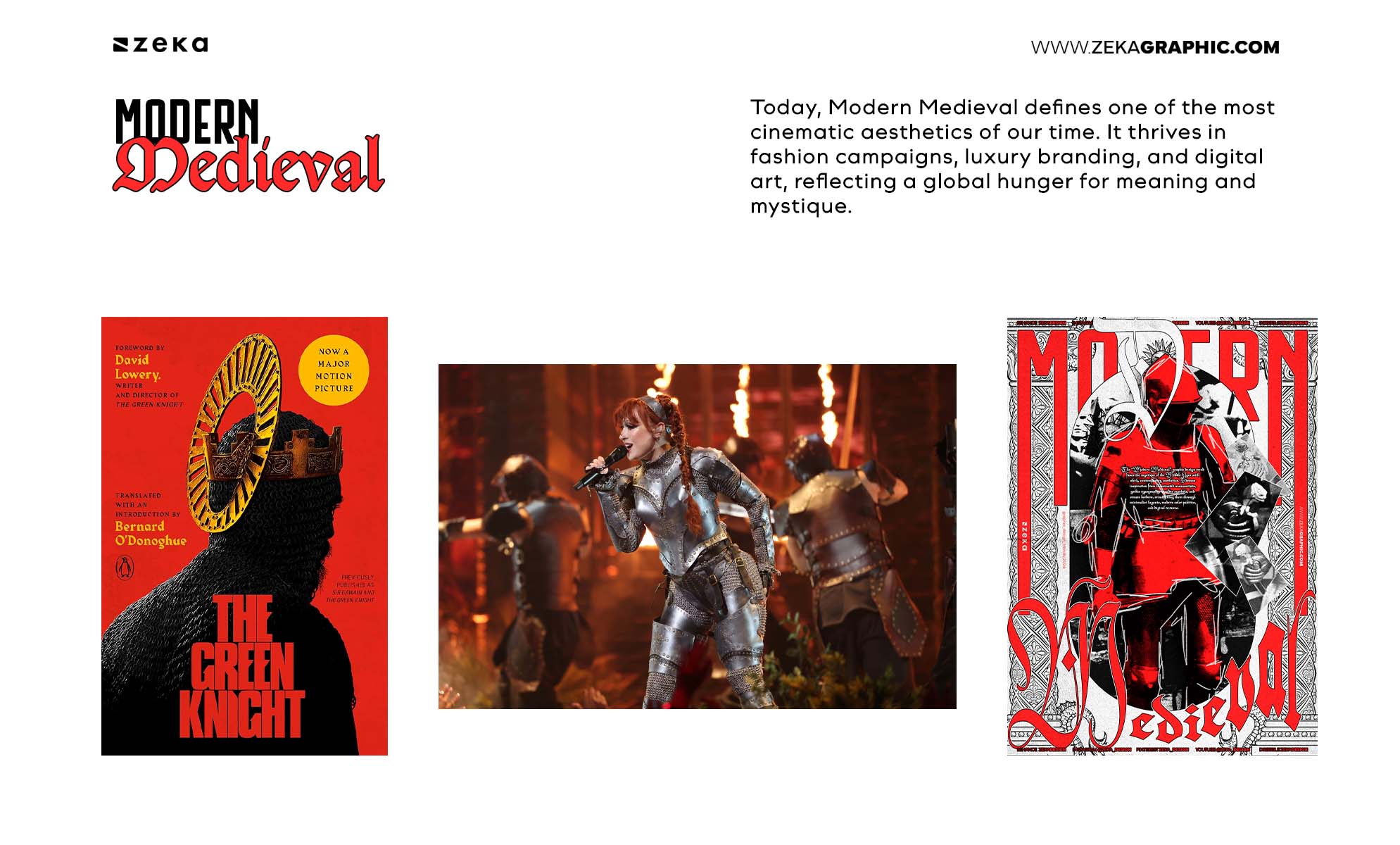
Today, Modern Medieval defines one of the most cinematic aesthetics of our time. It thrives in fashion campaigns, luxury branding, and digital art, reflecting a global hunger for meaning and mystique. With modern reinterpretation of heraldry, holographic typography, and metallic gradients, the style becomes a form of digital craftsmanship — a return to the sacred through pixels and code.
It stands as a spiritual counterpoint to minimalist emptiness, reminding designers that beauty can still carry ritual and emotion.
Advertisment
The Modern Medieval aesthetic is defined by its union of fantasy, luxury, symbolism, and restraint. It thrives on the tension between old-world spirituality and futuristic precision — creating visuals that feel both handcrafted and hyper-modern. Here are its most distinctive traits and how to bring them to life:
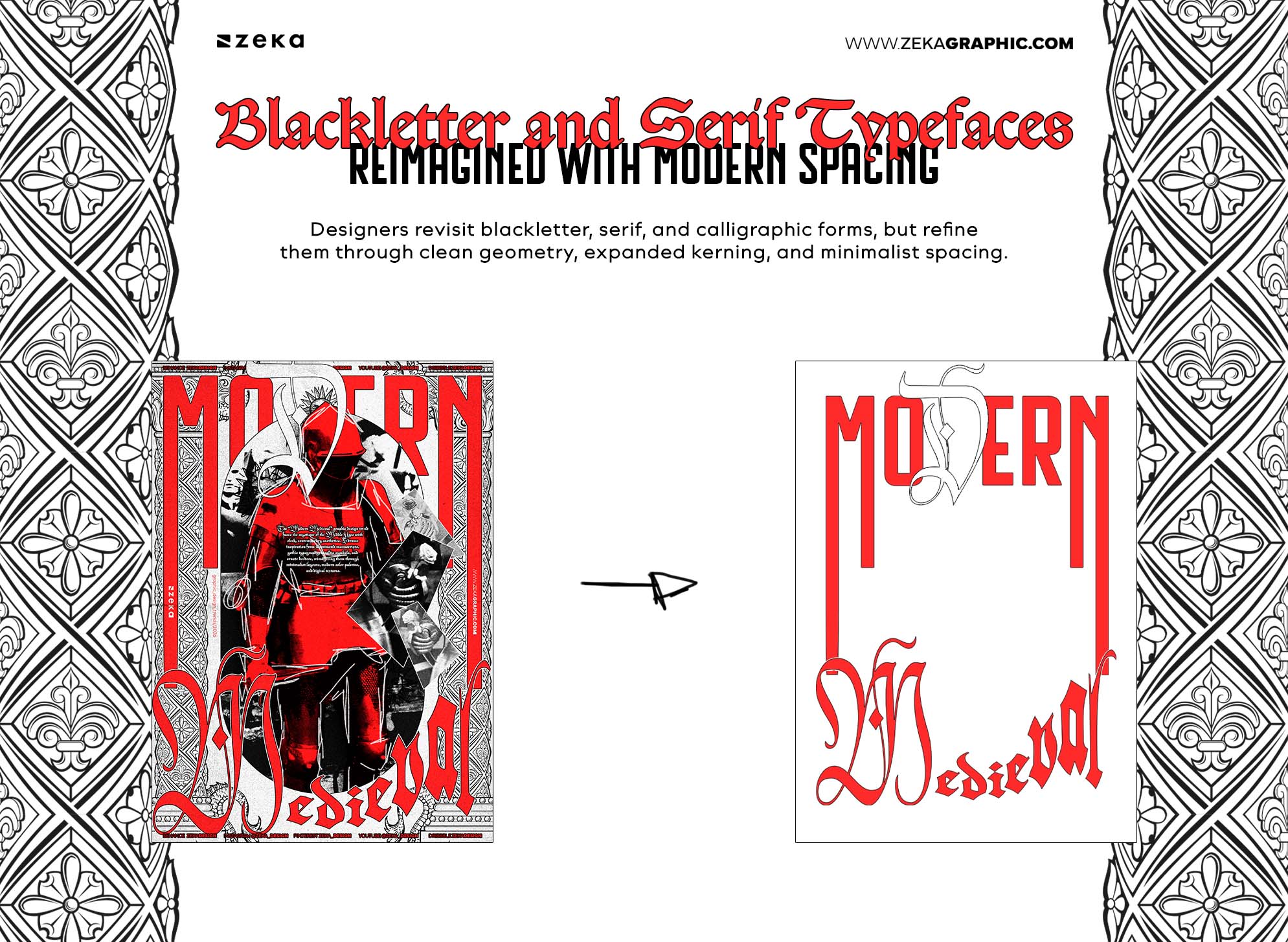
Typography is the soul of the Modern Medieval aesthetic. Designers revisit blackletter, serif, and calligraphic forms, but refine them through clean geometry, expanded kerning, and minimalist spacing. The result is lettering that feels noble yet contemporary — like a manuscript illuminated by digital light.
How to apply it: Pair expressive Gothic titles with sleek sans-serif subtitles. Preserve negative space and use subtle gradients or metallic finishes to make the type glow without losing legibility.
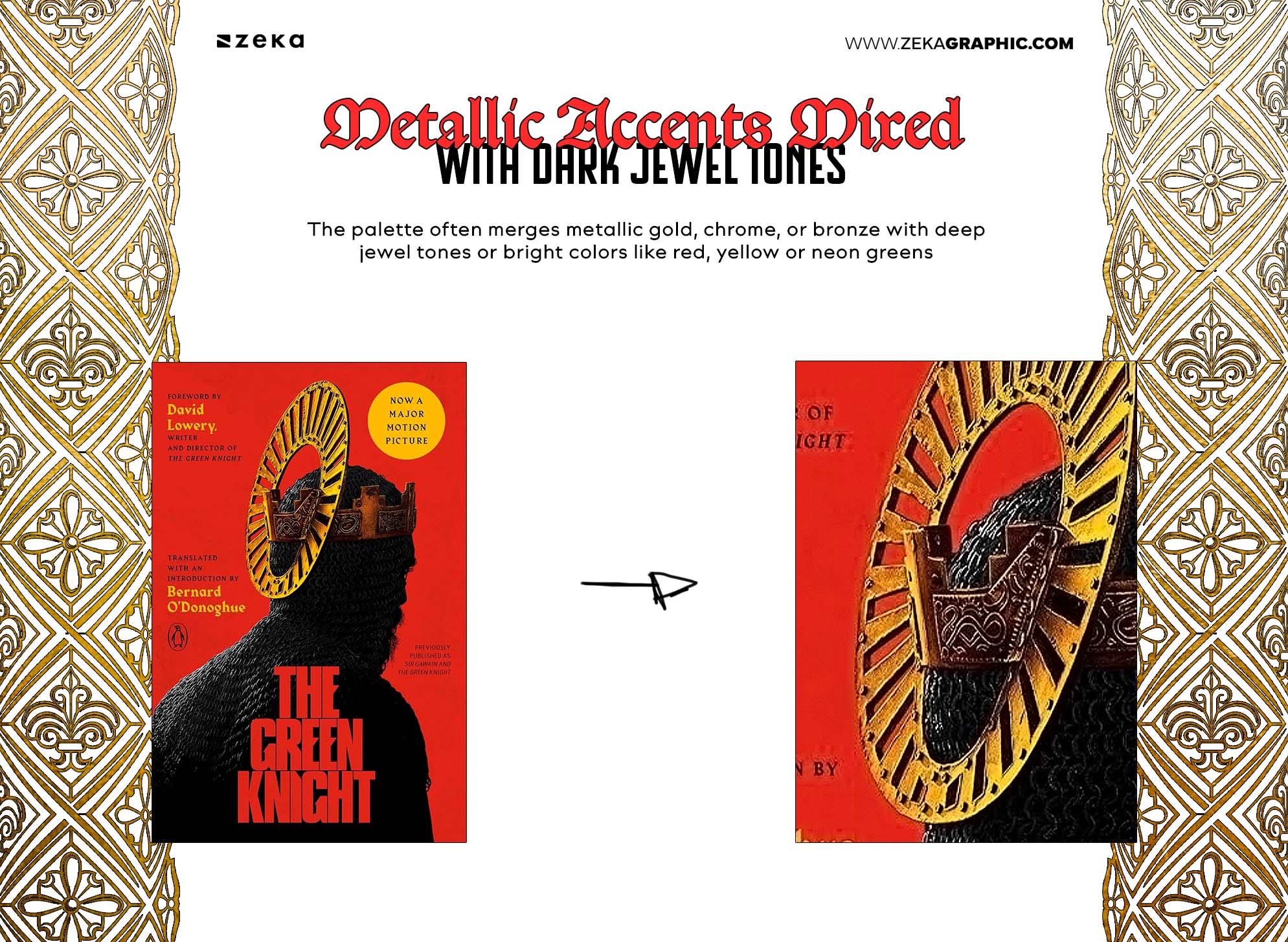
Color plays a crucial emotional role in this style. The palette often merges metallic gold, chrome, or bronze with deep jewel tones or bright colors like red, yellow or neon greens. This contrast conveys a feeling of mysticism and depth while maintaining luxury and refinement.
How to apply it: Use metallic gradients for highlights or typography, and dark matte hues for backgrounds. This pairing evokes the richness of medieval tapestries but feels cinematic in modern layouts.
Advertisment
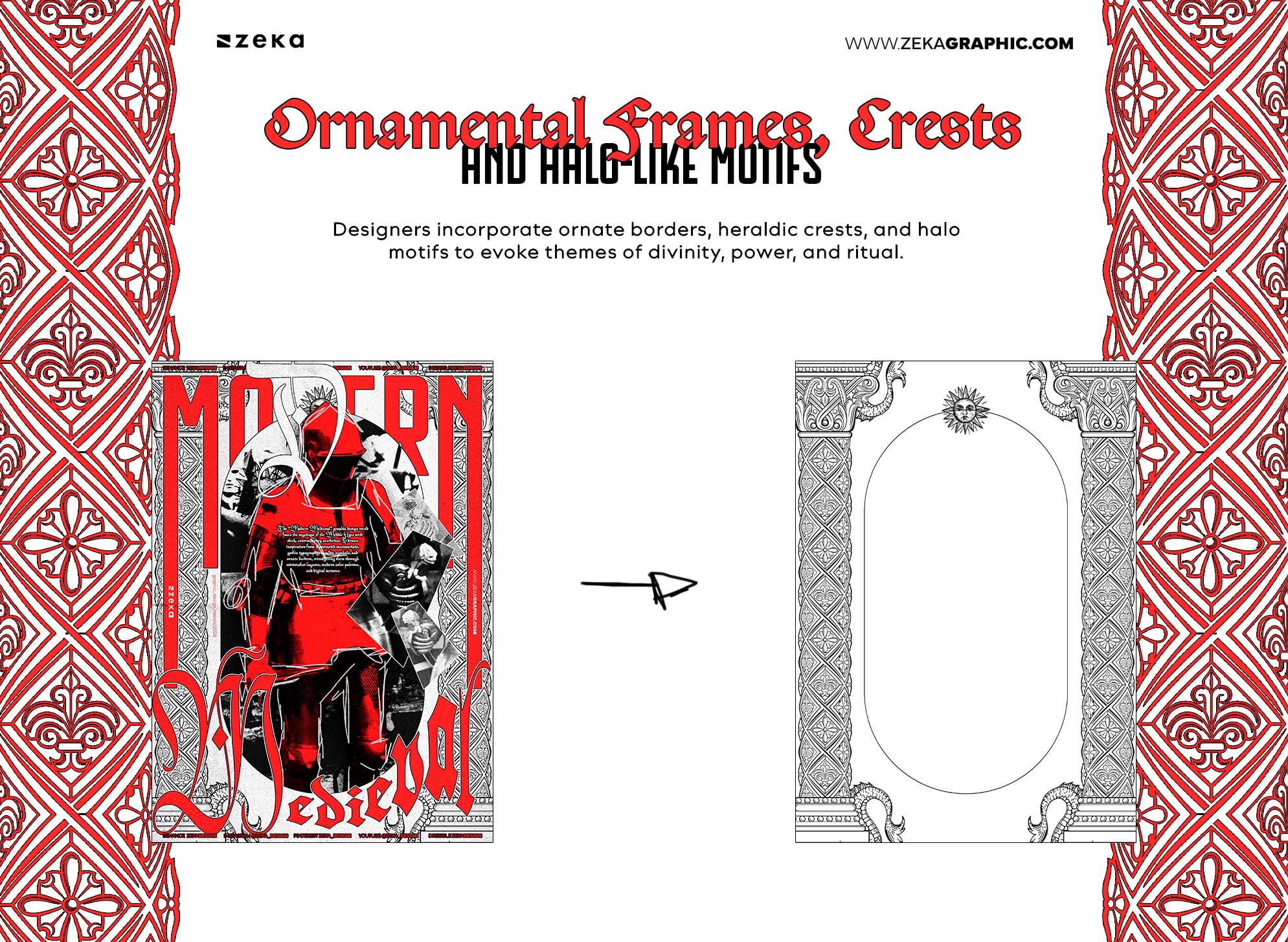
Symbolism drives the Modern Medieval visual language. Designers incorporate ornate borders, heraldic crests, and halo motifs to evoke themes of divinity, power, and ritual. These elements act as narrative tools — transforming layouts into visual relics that tell a story.
How to apply it: Introduce thin-lined ornamentation or circular halo forms portraits. Keep symmetry subtle and modern — suggestion is more powerful than decoration.
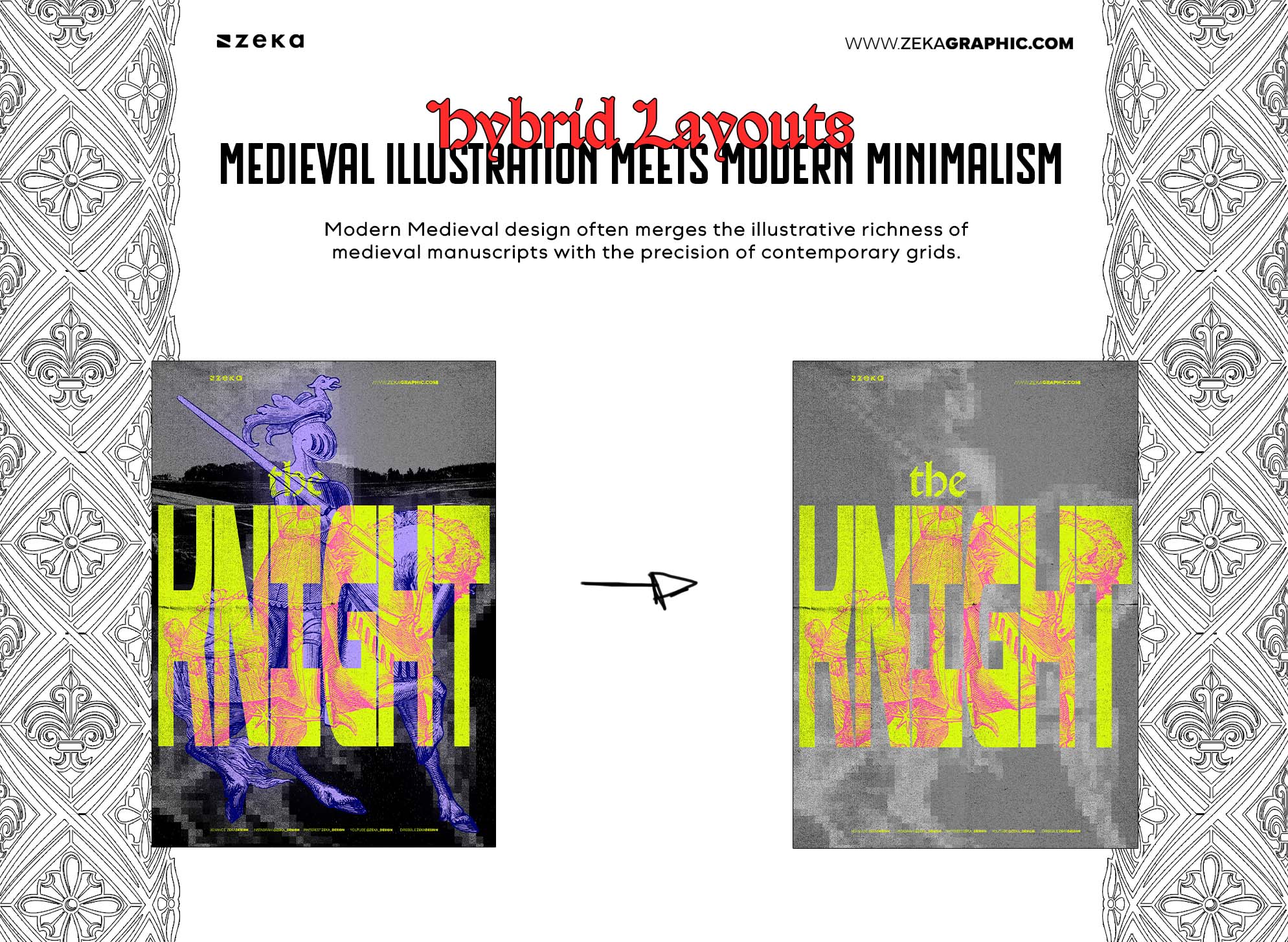
Modern Medieval design often merges the illustrative richness of medieval manuscripts with the precision of contemporary grids. This “hybrid layout” philosophy balances detailed ornament with structured clarity, allowing visuals to breathe while retaining depth.
How to apply it: Combine a central illuminated element (like a crest or symbolic illustration) with minimalist typography and generous white space. The tension between the two worlds — analog and digital — creates instant visual drama.
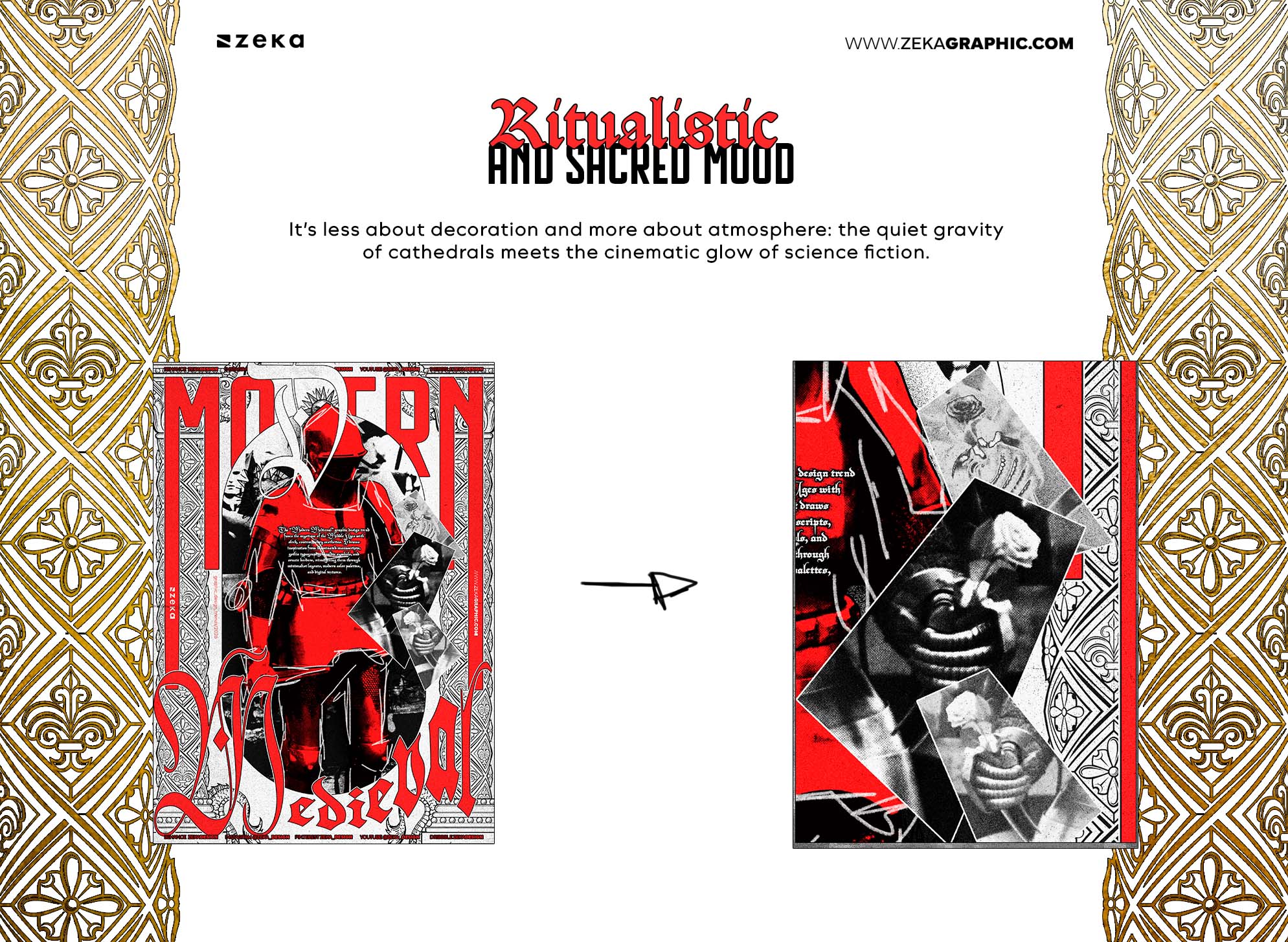
Beyond form, Modern Medieval design carries an unmistakable emotional tone — ritualistic, sacred, and transcendent. It’s less about decoration and more about atmosphere: the quiet gravity of cathedrals meets the cinematic glow of science fiction.
How to apply it: Build mood through lighting, shadow, and pacing. Use deep blacks and radiant highlights to evoke contrast; let golds shimmer softly. Every composition should feel like a ceremony — timeless, mysterious, and charged with meaning.
Advertisment
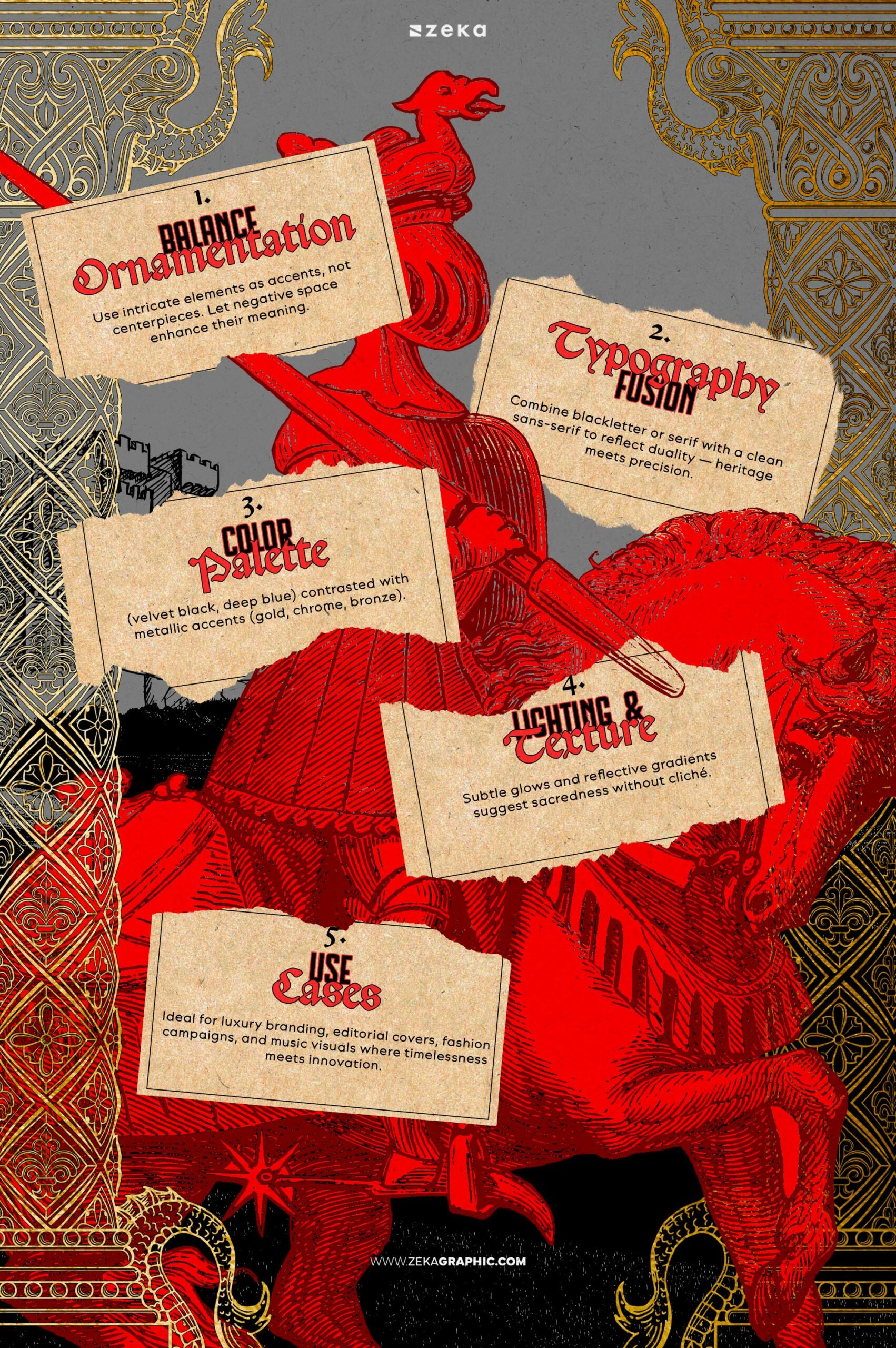
Designing in the Modern Medieval style requires intentional restraint — a careful orchestration between richness and modernity. Here’s how to master it:
Remember: Modern Medieval isn’t nostalgia — it’s evolution. It’s the art of giving ancient beauty new digital form.
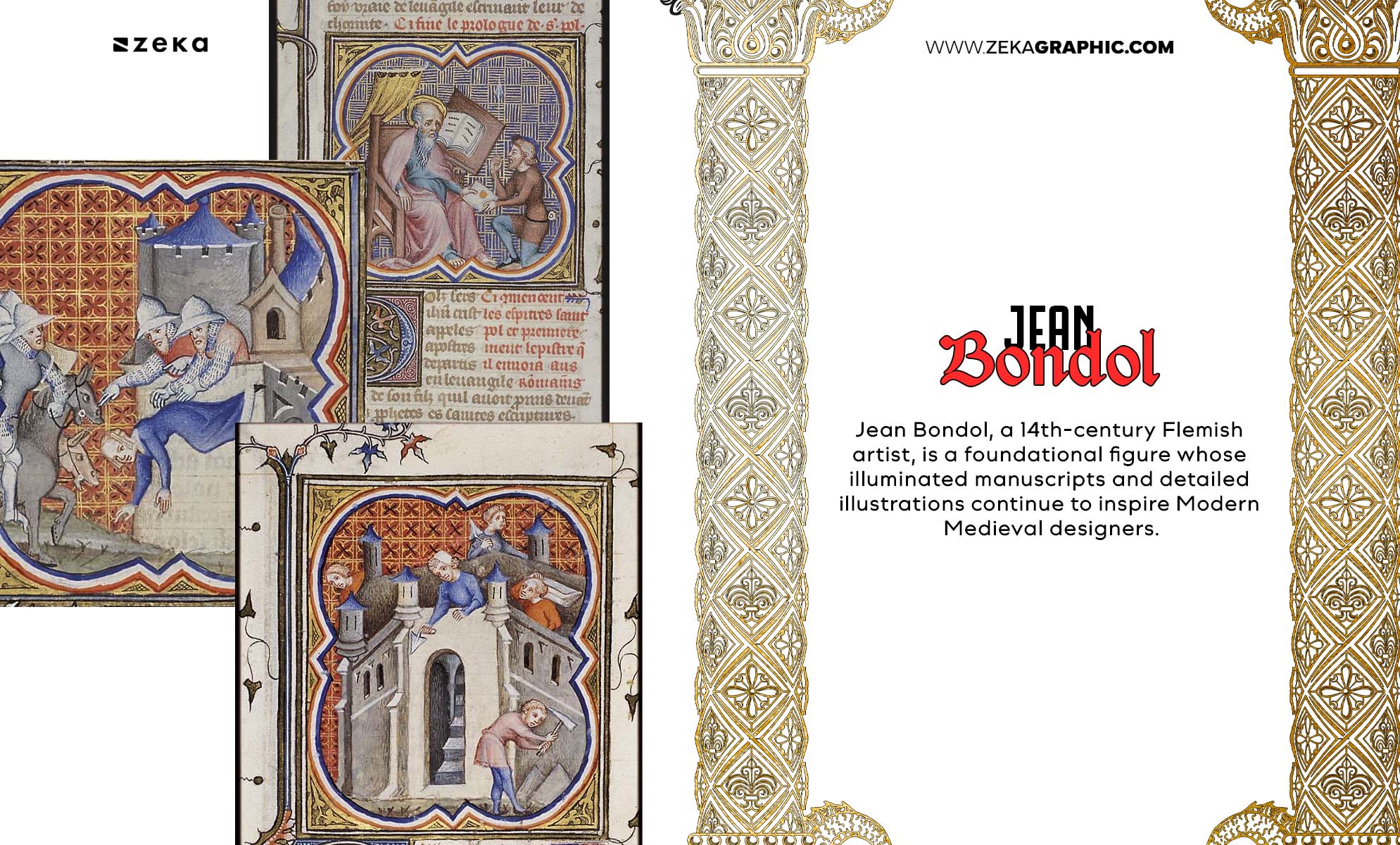
Every creative movement is shaped by visionaries — artists who translate cultural emotion into visual form. The Modern Medieval movement bridges typography, fashion, and digital art, redefining how history and technology intertwine.
Jean Bondol, a 14th-century Flemish artist, is a foundational figure whose illuminated manuscripts and detailed illustrations continue to inspire Modern Medieval designers. His craftsmanship, rich in symbolism and intricate patterns, demonstrates how historical artistry informs contemporary digital reinterpretations.
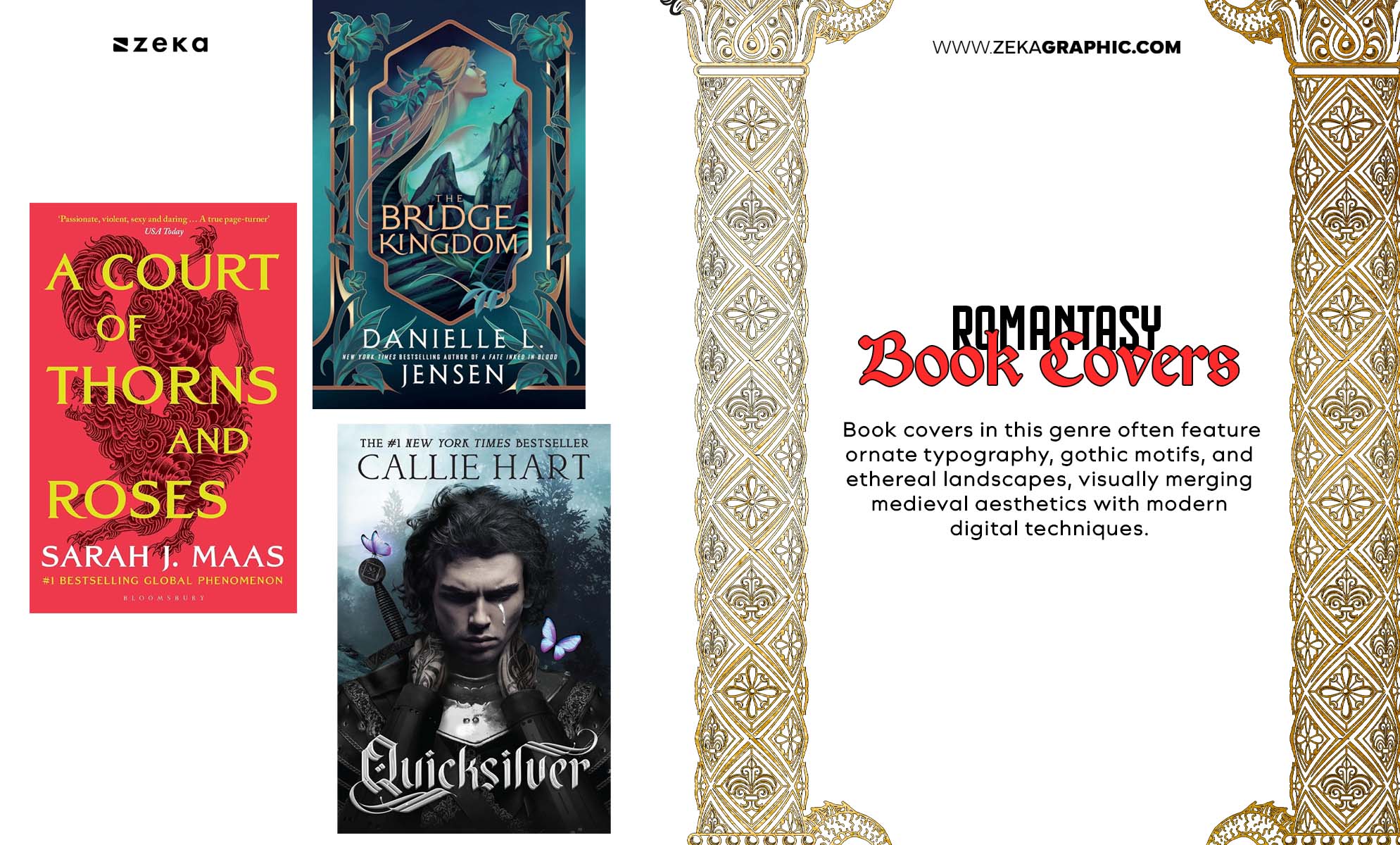
The Romantasy genre — a blend of romance and fantasy — has become a key space for Modern Medieval design in literature.
Book covers in this genre often feature ornate typography, gothic motifs, and ethereal landscapes, visually merging medieval aesthetics with modern digital techniques.
Designers use these covers to evoke mystery, nostalgia, and emotional depth, making the genre a natural playground for modern gothic artists and designers embracing neo-medieval influences.
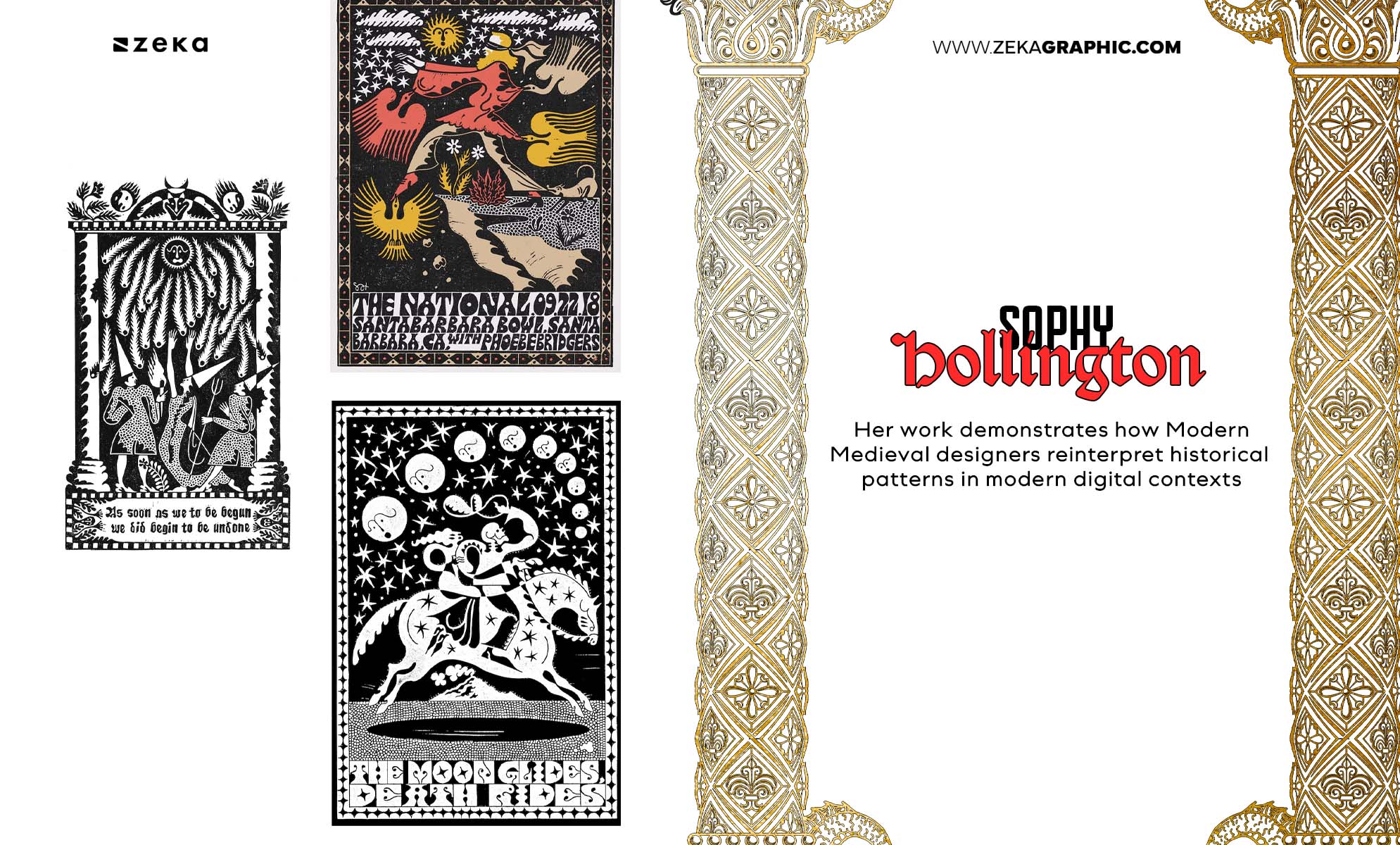
Sophy Hollington is a contemporary British artist and illustrator bridging illustration, typography, and editorial design with medieval-inspired motifs. Her work demonstrates how Modern Medieval designers reinterpret historical patterns in modern digital contexts, creating pieces that feel both timeless and innovative.
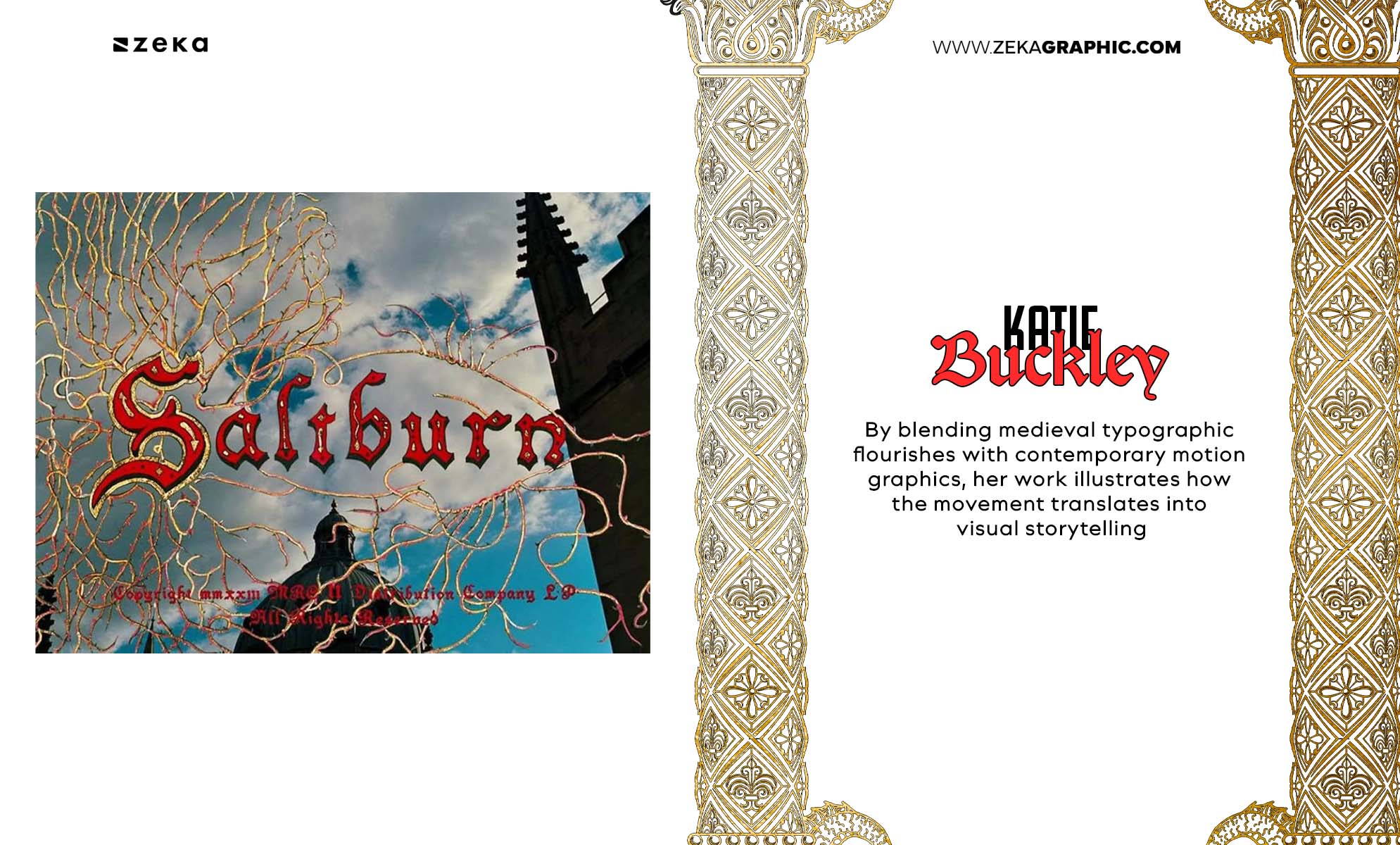
Katie Buckley’s title designs for Saltburn exemplify the cinematic application of Modern Medieval aesthetics. By blending medieval typographic flourishes with contemporary motion graphics, her work illustrates how the movement translates into visual storytelling for modern
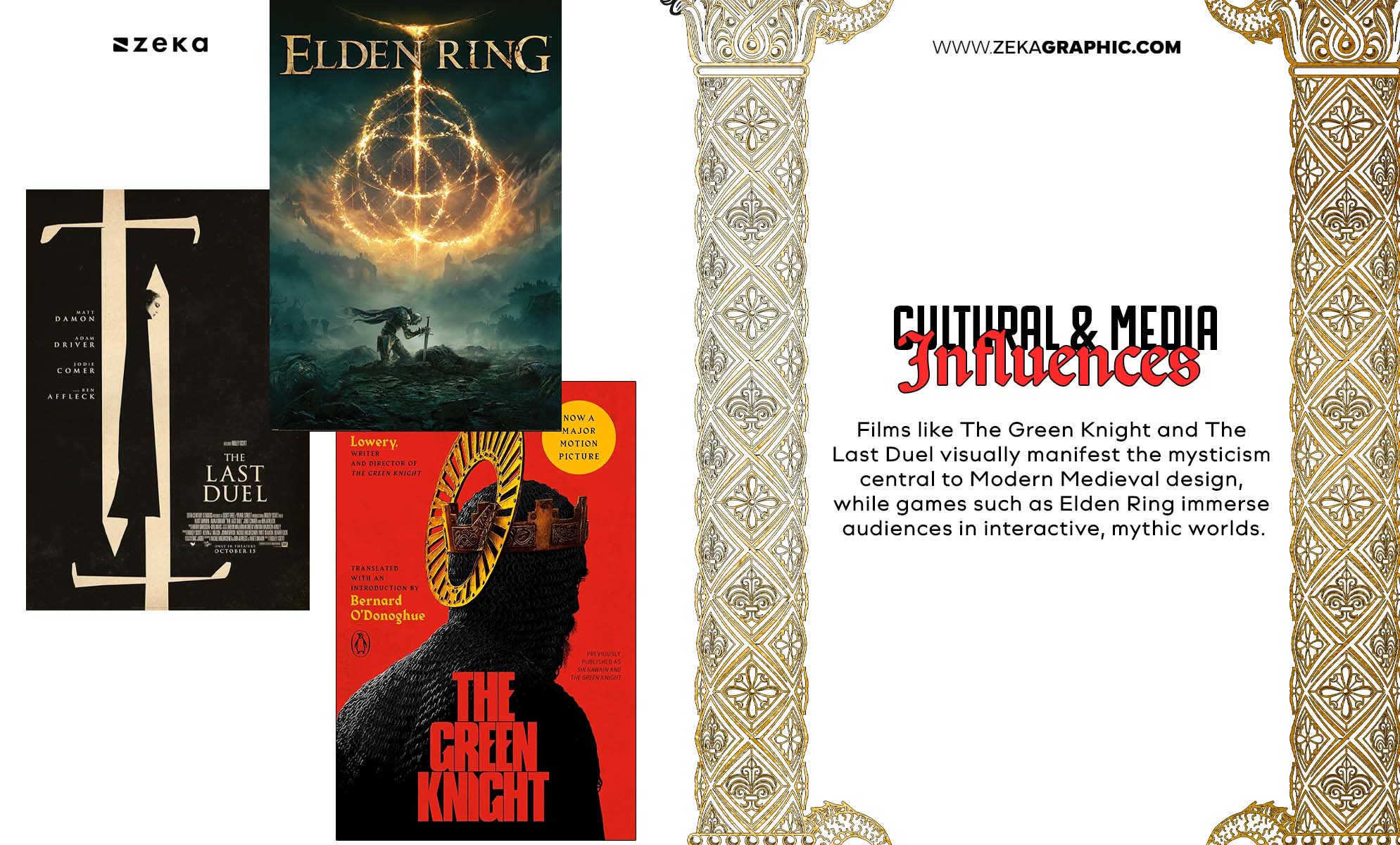
Films like The Green Knight and The Last Duel visually manifest the mysticism central to Modern Medieval design, while games such as Elden Ring immerse audiences in interactive, mythic worlds.
Platforms like ArtStation and MidJourney empower thousands of digital artists to reinterpret medieval motifs, fueling one of the most collaborative and community-driven design evolutions of the 2020s.
The Modern Medieval movement stands as a living collaboration between past and future — a dialogue between artisans of history and the digital architects of today.
Advertisment
Contains Affiliate Links
To truly master Modern Medieval Graphic Design, a designer must dive into history, symbolism, and typographic theory. Below is a curated reading list that bridges ancient artistry with modern application — ideal for designers, educators, and art directors exploring the movement’s depth.
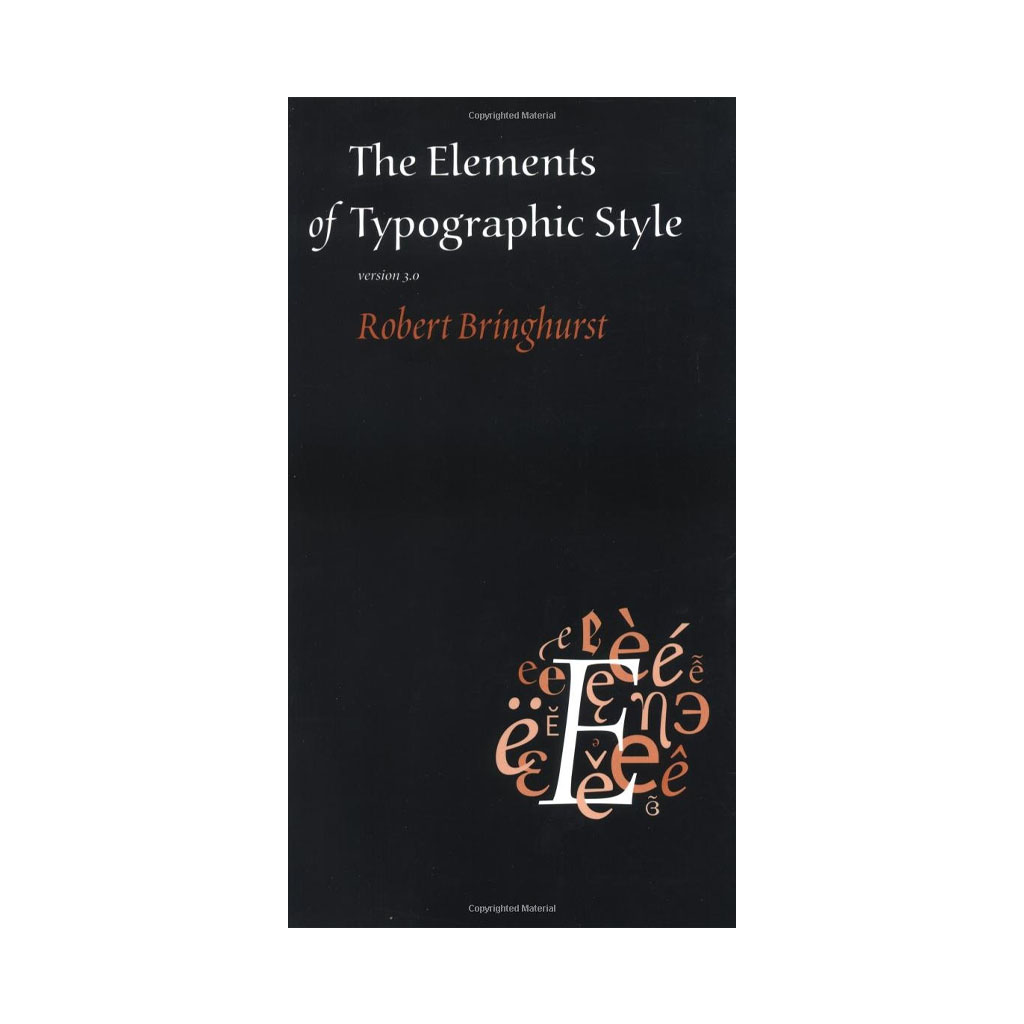
The Elements of Typographic Style – Robert Bringhurst
A sacred text for typographers. Bringhurst’s approach to proportion, form, and rhythm echoes the same spiritual precision found in medieval calligraphy.
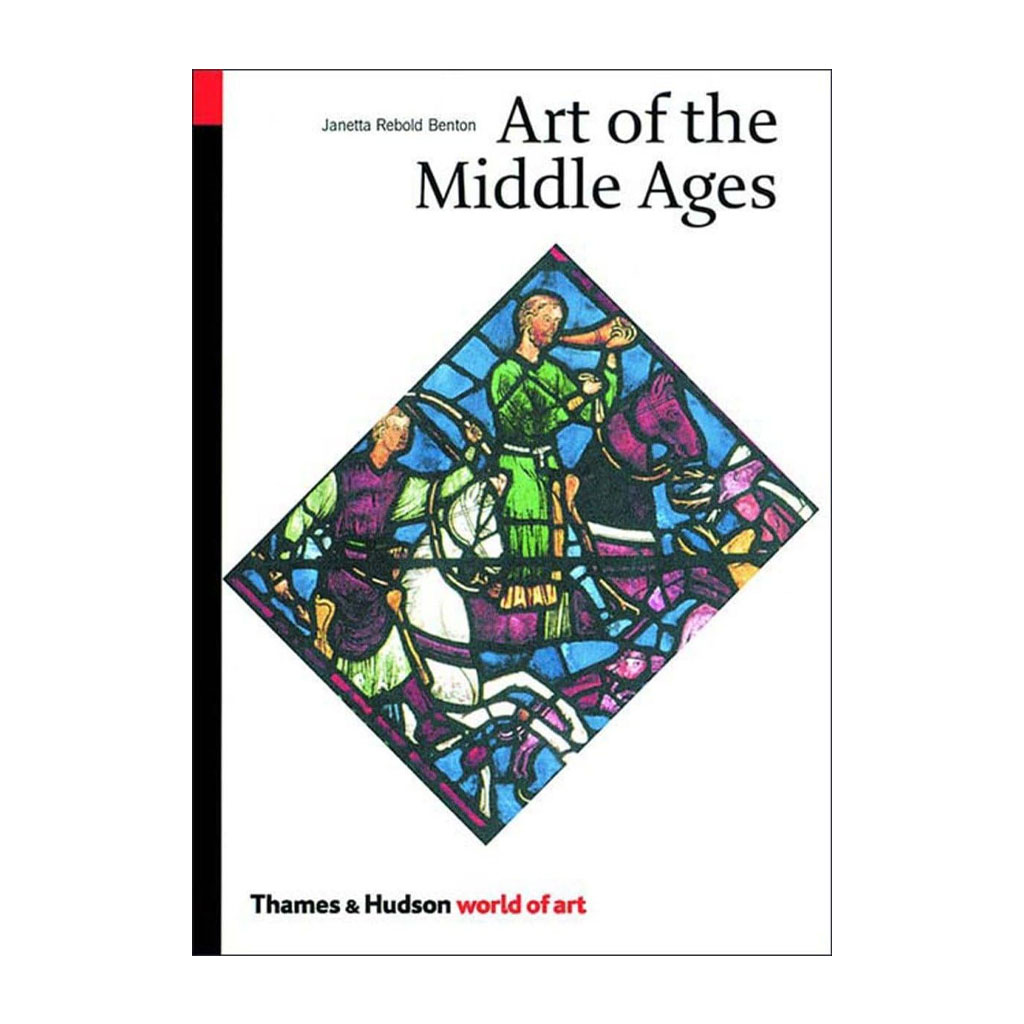
The Art of the Middle Ages – Janetta Rebold Benton
Explores symbolism, craft, and the visual language of devotion that continues to inspire Modern Medieval moods.
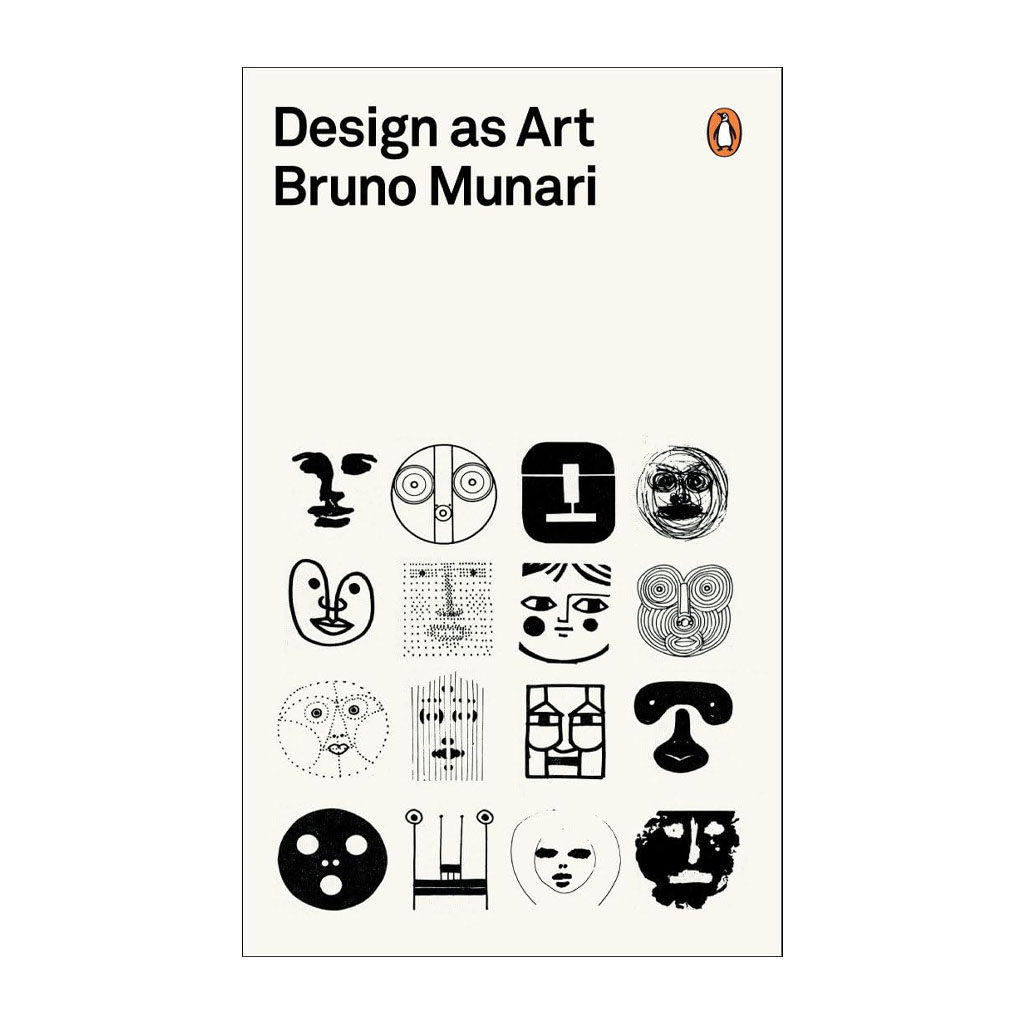
Design as Art – Bruno Munari
A manifesto on the relationship between design, meaning, and humanity — a perfect companion for merging ancient craft with modern thinking.
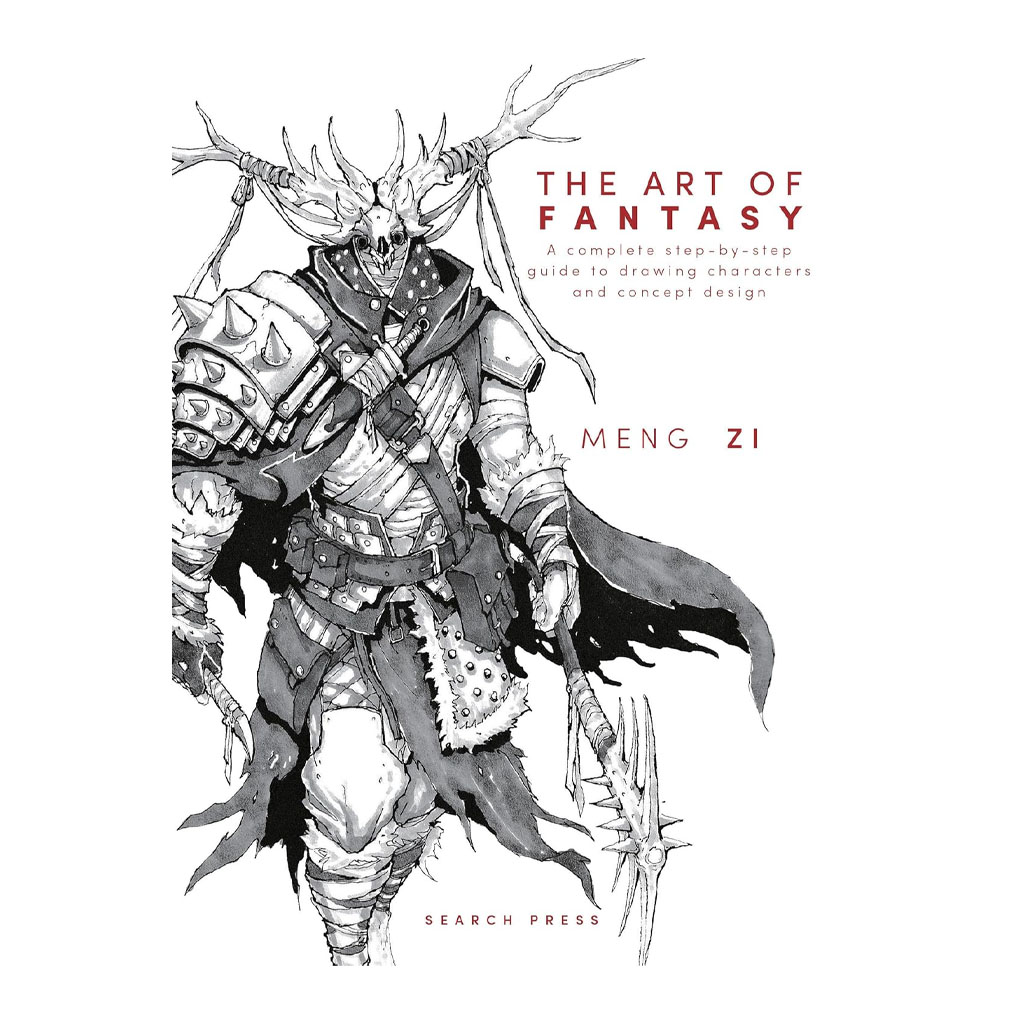
Fantasy Art and Digital Design Guides (various authors)
Modern references that demonstrate how digital tools reinterpret myth, fantasy, and medieval motifs through concept art and illustration.
What makes Modern Medieval different from Gothic design?
If you’re wondering how this trend stands apart, the difference lies in intent and context. Gothic design celebrates ornate tradition; Modern Medieval refines it with digital precision and restraint, blending elegance with innovation.
Which fonts work best for Modern Medieval visuals?
Fonts inspired by blackletter, serif calligraphy, and high-contrast transitional serifs are perfect foundations. Try combining UnifrakturCook, Cormorant, or Trajan Pro with minimalist sans-serifs like Neue Haas Grotesk for balance.
Can I mix this trend with minimalist branding?
Absolutely — in fact, that’s where Modern Medieval thrives. Pair minimalist layouts with subtle metallic accents or sigil-like emblems to create a sense of timeless sophistication without visual overload.
Why is Modern Medieval trending in 2026?
Because it captures our cultural moment — a world seeking meaning, ritual, and identity in the digital age. The aesthetic speaks to designers and audiences longing for depth, symbolism, and narrative amidst flat algorithmic design.
Advertisment
In an era where design often prioritizes efficiency over emotion, Modern Medieval emerges as a rebellion with elegance. It reconnects digital creators to something sacred — craftsmanship, symbolism, and story. This trend isn’t just visual; it’s philosophical. It’s a dialogue between what once was and what’s yet to come, speaking in a language of gold, glass, and light.
For designers, embracing the Modern Medieval aesthetic means crafting visuals that feel eternal — rooted in heritage, yet alive with innovation. It’s about daring to blend textures of the sacred with the tools of the future.
Modern Medieval isn’t a return to the past — it’s a bridge to the future, forged in gold, glass, and light.
Advertisment
Pin it for later!
If you found this post useful you might like to read these post about Graphic Design Inspiration.
Advertisment
If you like this post share it on your social media!
Advertisment




Want to make your Business Grow with Creative design?
Advertisment
Advertisment